
Tailings Dewatering and AMD Treatment: Advanced PAM and PFS Flocculation in South American and Central Asian Mines
ON
Mining operations in South America and Central Asia are under growing pressure to recover more water, reduce tailings risk, and meet stricter environmental discharge standards. In major mining countries such as Chile, Peru, Kazakhstan, and Uzbekistan, water scarcity is no longer a seasonal issue—it is a strategic production constraint.
Copper, gold, lithium, and polymetallic mines often operate in arid, high-altitude, or remote areas where freshwater supply is limited and expensive. At the same time, regulators are paying closer attention to tailings storage, acid mine drainage, and heavy metal discharge. For many mines, the most urgent questions are: How can we improve tailings thickening? How can we produce drier filter cakes for dry stacking? And how can we treat acidic wastewater containing dissolved metals?
The answer often lies in selecting the right combination of Polyferric Sulfate (PFS) and mining-grade Polyacrylamide flotation and flocculation chemicals.
Why Tailings and Mine Wastewater Are So Difficult to Treat
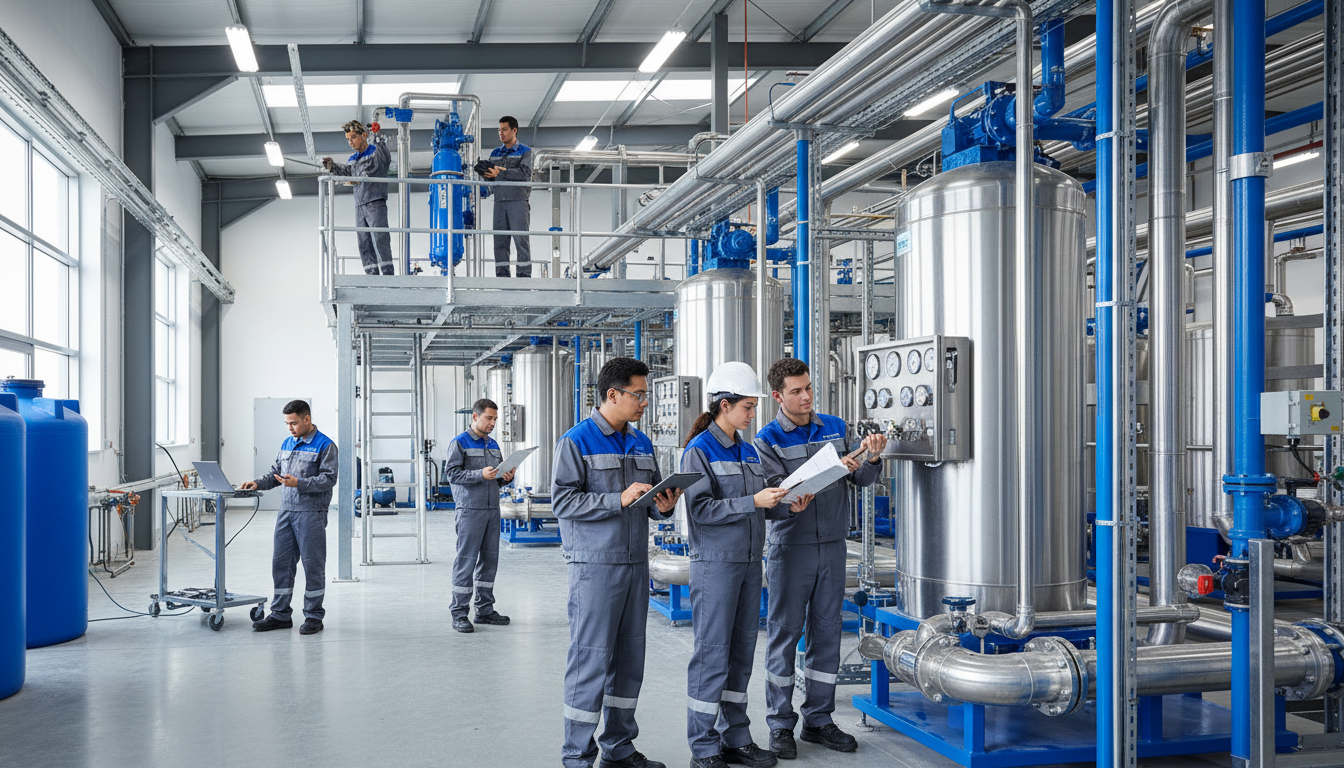
Mining wastewater is not a simple suspended solids problem. In copper, gold, lithium, and other mineral processing plants, ore is crushed and ground into extremely fine particles. These ultrafine mineral particles often behave like colloids in water. They remain suspended for long periods, resist natural settling, and can overload tailings thickeners, clarifiers, and filter presses.
In many operations, traditional coagulants are not enough. Standard alum or low-grade PAC may work in neutral municipal wastewater, but mine water is much more aggressive. It may contain:
- Very high total suspended solids
- Fine clay and silicate particles
- Low pH from acid mine drainage
- Dissolved iron, copper, zinc, manganese, arsenic, and other metals
- Sulfides and flotation reagent residues
- High salinity or variable process chemistry
Industries that rely heavily on metal equipment, like marine, automotive, and manufacturing sectors, benefit from corrosion inhibitors. By extending the life of equipment and reducing repair costs, these inhibitors play a vital role in maintaining operational efficiency.
The Problem with Acid Mine Drainage
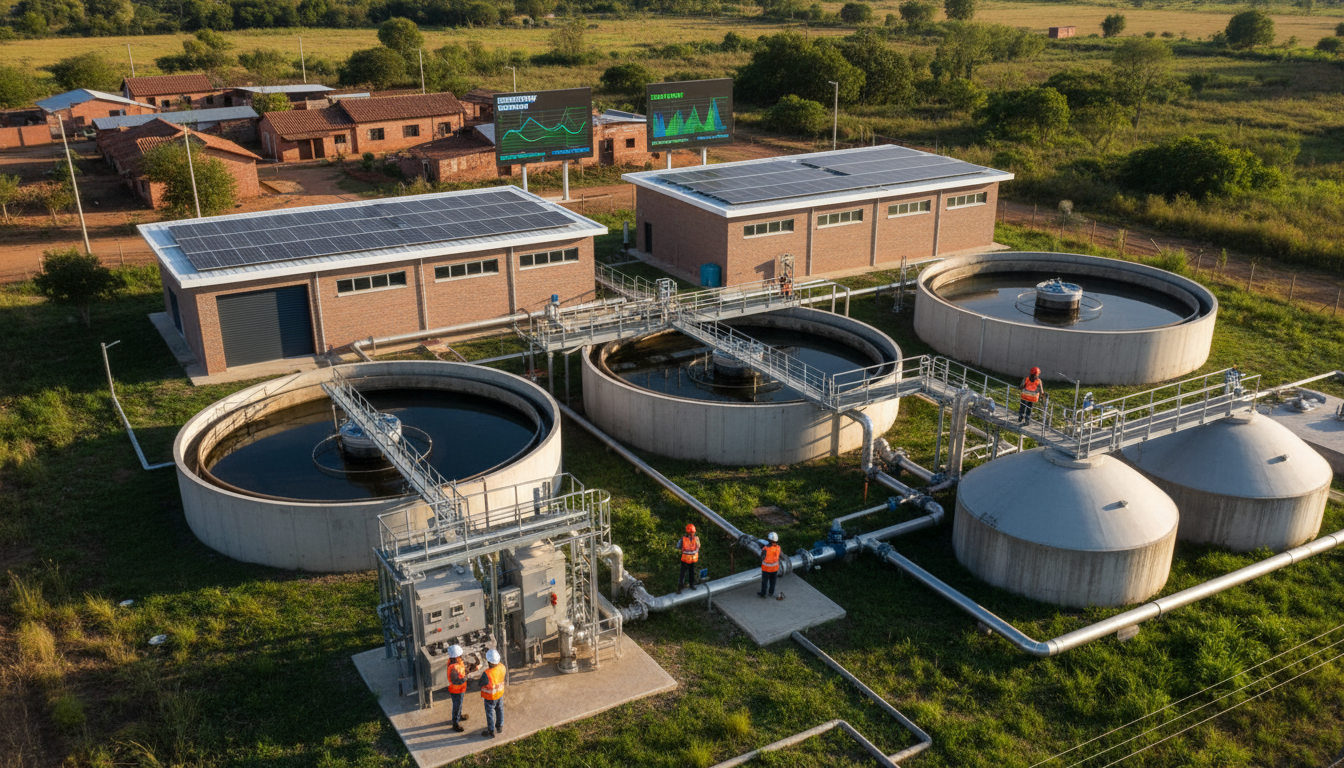
Acid mine drainage, often called AMD, forms when sulfide minerals are exposed to oxygen and water. This process generates sulfuric acid and dissolves metals from surrounding rocks. In South America, acid drainage is a major issue for copper and polymetallic mines. In Central Asia, gold and copper operations also face similar risks.
The challenge is that acidic wastewater has a low pH, and many aluminum-based coagulants lose efficiency under these conditions. In strongly acidic water, aluminum hydroxide flocs may not form properly, or they may redissolve. As a result, suspended solids remain in the water and dissolved heavy metals are not adequately removed.
For acid mine drainage treatment South America projects, an iron-based coagulant such as Polyferric Sulfate (PFS) often provides a more reliable solution.
Polyferric Sulfate: The Iron-Based Advantage
Polyferric Sulfate (PFS) is an inorganic polymer coagulant based on ferric iron. Compared with conventional ferric sulfate or ferric chloride, PFS offers stronger coagulation performance, faster floc formation, and better settling characteristics.
For mining applications, PFS has several important advantages:
1. Wide pH Adaptability
PFS can perform effectively across a broad pH range, including mildly acidic conditions where many aluminum salts struggle. This makes it highly suitable for AMD pretreatment, mine wastewater clarification, and variable process water streams.
2. Strong Heavy Metal Co-Precipitation
Ferric species formed from PFS can help remove dissolved metals through hydroxide precipitation, adsorption, and co-precipitation. This is especially important for wastewater containing copper, zinc, nickel, chromium, manganese, or arsenic.
3. Dense and Fast-Settling Flocs
Iron-based flocs are typically heavier than aluminum-based flocs. In tailings clarification and mine wastewater treatment, this results in faster settling, clearer overflow, and reduced load on downstream filtration systems.
4. Better Performance in Harsh Mining Water
PFS is more tolerant of high solids, variable pH, and complex mineral chemistry. For copper mine wastewater treatment, it can be used to improve clarification before reuse or discharge.
Ultra-High Molecular Weight PAM for Tailings Thickening
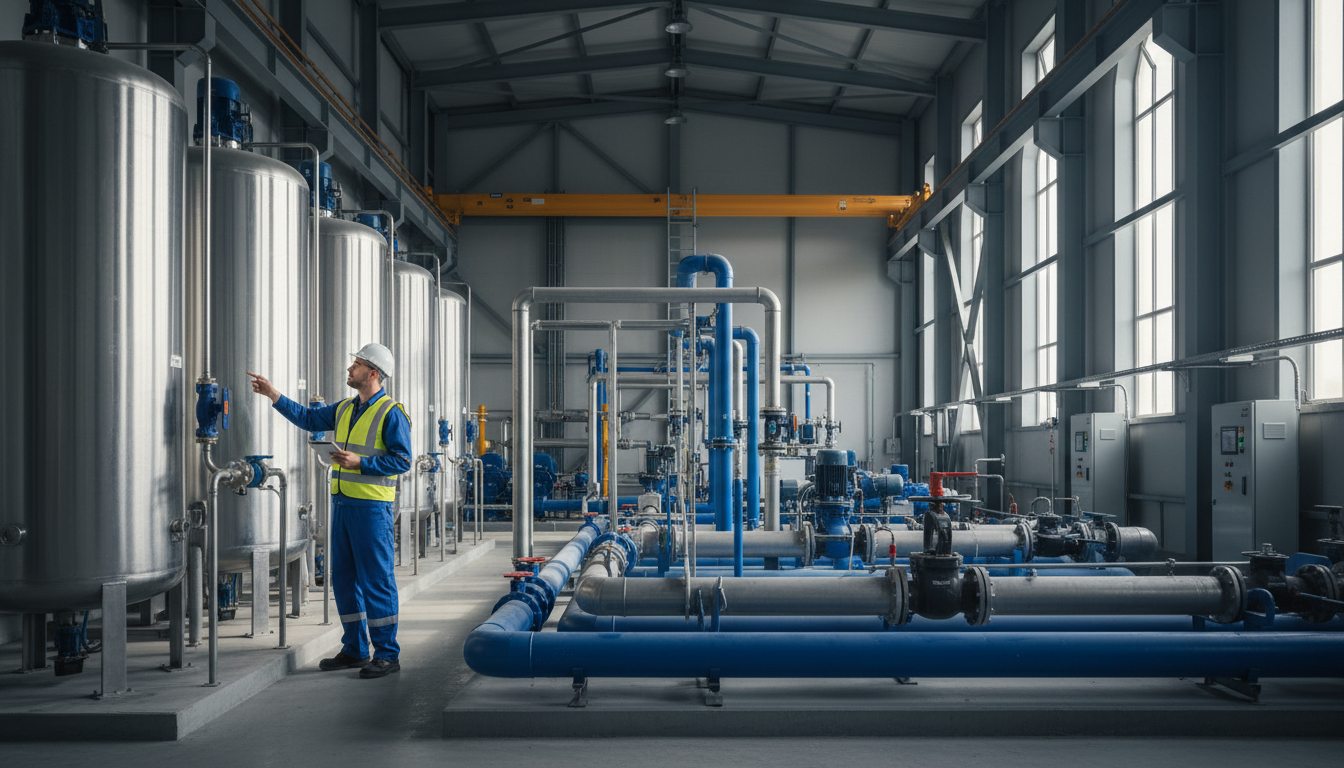
While PFS is excellent for charge neutralization and metal precipitation, tailings dewatering also requires strong particle bridging. This is where mining-grade Polyacrylamide flotation and flocculation products are essential.
Ultra-high molecular weight Polyacrylamide (PAM) has long polymer chains that adsorb onto fine mineral particles and connect them into larger aggregates. In tailings thickeners, this creates large, stable flocs that settle rapidly and release water more efficiently.
Depending on ore type and water chemistry, mines may require:
- Anionic PAM for mineral tailings thickening
- Nonionic PAM for low-charge or acidic conditions
- Cationic PAM for sludge dewatering or organic-rich streams
- Emulsion PAM for fast dissolution and automated dosing
- Powder PAM for cost-efficient bulk treatment
For high-rate thickeners, paste thickeners, and filter press feed conditioning, PAM selection must be based on jar tests, settling tests, and filtration trials—not only product price.
PFS + PAM: A Combined Solution for Water Recovery and Dry Stacking
The most effective programs often combine Polyferric Sulfate (PFS) with ultra-high molecular weight PAM.
A typical treatment mechanism is:
- PFS dosing: Neutralizes particle charge, destabilizes colloids, and helps precipitate dissolved metals.
- PAM dosing: Bridges destabilized particles into large, strong flocs.
- Thickening: Clear overflow is recovered and returned to the process plant.
- Dewatering: Underflow is sent to filter presses, belt presses, or centrifuges for drier cake production.
This combined approach improves both clarification and dewatering. For mines pursuing dry stacking, better flocculation can reduce filter cake moisture, increase filter press throughput, and improve tailings handling safety.
In water-scarce regions, recovered water can be reused directly in grinding, flotation, dust suppression, or process water systems. Some mines can recover more than 90% of process water when thickening and dewatering systems are properly optimized.
Environmental and Economic Payoffs
Using advanced mine tailings thickening chemicals is not just about meeting discharge limits. It directly affects mine profitability and operational risk.
Key benefits include:
- Faster settling in tailings thickeners
- Clearer overflow for process water reuse
- Reduced freshwater intake and trucking costs
- Lower risk of tailings pond overflow
- Improved dry stacking feasibility
- Reduced heavy metal discharge risk
- Better compliance with environmental audits
- Higher filter press capacity and lower cake moisture
For remote mining sites in the Andes or Central Asian steppe, every cubic meter of recovered water has real economic value. Reducing water loss can improve production stability and lower dependence on external water sources.
How Oneschem Supports Mining Water Treatment
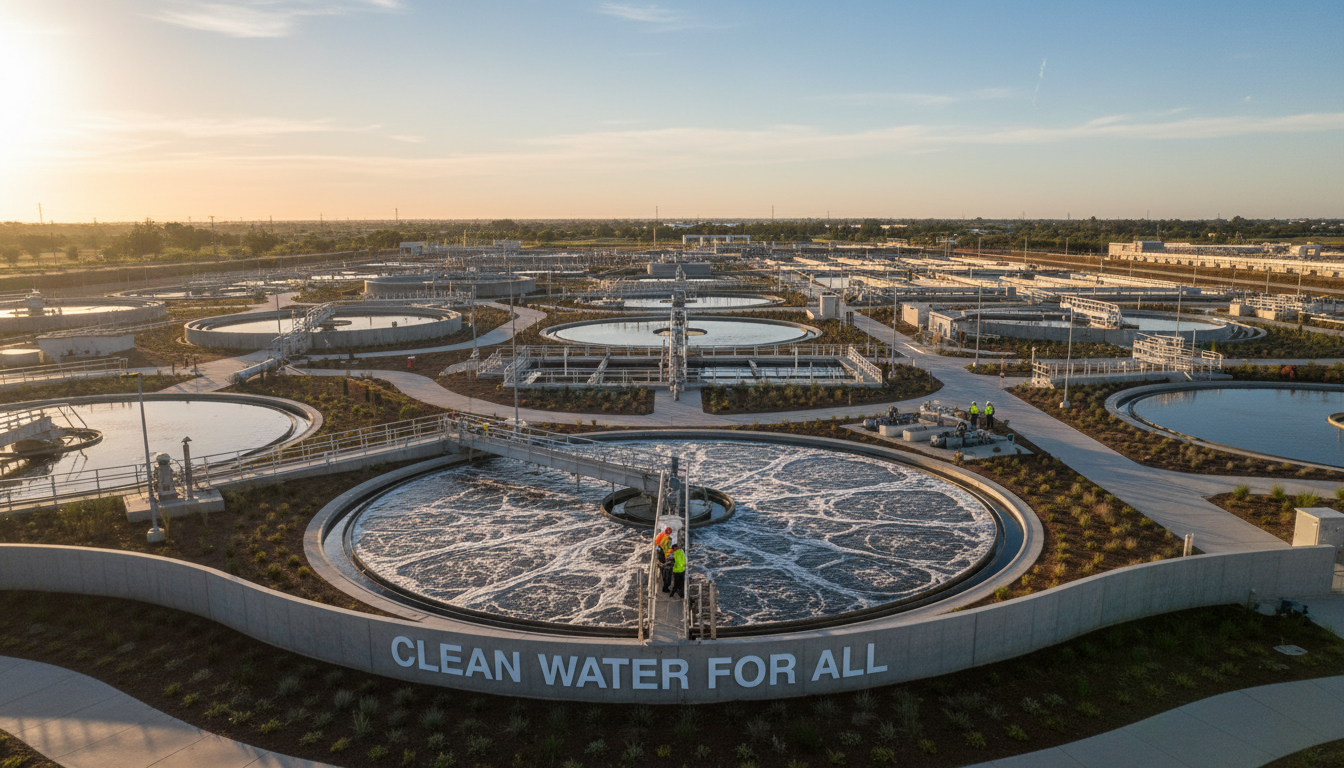
Oneschem provides customized PFS and PAM solutions for mining wastewater, tailings thickening, and AMD treatment. Our technical team can help evaluate:
- Raw water and process water chemistry
- Tailings particle size distribution
- pH and alkalinity conditions
- Heavy metal concentrations
- Thickener overflow clarity
- Settling rate and underflow density
- Filter cake moisture and filtration cycle time
Based on this data, Oneschem can recommend suitable Polyferric Sulfate (PFS) grades and mining-specific Polyacrylamide flotation and flocculation products in powder or emulsion form.
Better Flocculation for Safer, More Efficient Mining
Mines in South America and Central Asia face a difficult combination of water scarcity, fine tailings, acidic drainage, and strict environmental regulation. Standard coagulants and generic polymers are often not enough.
A properly engineered PFS + PAM program can improve tailings thickening, increase water recovery, support dry stacking, and reduce heavy metal discharge risk.
If your operation needs support for copper mine wastewater treatment, acid mine drainage treatment South America, or high-efficiency tailings dewatering, contact Oneschem today. We can provide customized mining-grade PAM and high-polymerized PFS samples for laboratory and field testing.