
Silica Scaling in Gulf Brackish Water RO: Why Standard Antiscalants Fail and What to Use Instead
ON
Across Saudi Arabia, the UAE, Oman, and Kuwait, deep-well brackish groundwater is a key feed source for reverse osmosis plants. Many of these aquifers contain 40–90 mg/L of reactive silica. At typical recovery rates, the concentrate can exceed silica's solubility limit, and the result is one of the most difficult foulants an RO operator can face.
Operators often discover the problem too late. The plant runs a reputable phosphonate antiscalant, calcium carbonate and calcium sulfate indices look under control, and yet permeate flow in the last stage keeps falling. Alkaline cleaning helps little. The explanation is usually silica, and the solution starts with understanding why it behaves differently from other scales.
Why Silica Is Not Like Other Scales
Calcium carbonate and calcium sulfate form crystalline scale. Ions nucleate, crystals grow on the membrane, and conventional antiscalants interfere through threshold inhibition and crystal distortion. Phosphonates are highly effective at this.
Silica follows a different path. Dissolved monosilicic acid polymerizes once it is supersaturated. It condenses into oligomers, then colloidal particles, and finally an amorphous, gel-like deposit. Because there is no regular crystal lattice to disrupt, threshold inhibitors designed for crystalline scale have little effect. This is why a standard antiscalant can protect a membrane from carbonate scale while silica builds up undisturbed.
Metal ions make the problem worse. Even trace aluminum or iron, sometimes carried over from upstream coagulation, accelerates silica polymerization. At elevated pH, magnesium can form magnesium silicate, which is extremely hard to remove.
The Critical Variables: Concentration, Temperature, pH, and Recovery
Amorphous silica solubility at neutral pH and 25°C is roughly 100–120 mg/L. Four variables determine whether your concentrate crosses that line:
- Feed silica and recovery: At 75% recovery, a feed of 35 mg/L concentrates to about 140 mg/L, which is already supersaturated. Silica often sets the recovery ceiling for Gulf brackish water plants.
- Temperature: Solubility rises with temperature. Plants that operate safely in summer may scale in winter, when well water cools and solubility drops.
- pH: Solubility increases sharply above pH 9. However, raising feed pH also raises the risk of calcium carbonate and magnesium silicate scale, so this lever is rarely practical alone.
- Metals and hardness: Aluminum, iron, and magnesium lower the effective safe limit.
Projection software can estimate silica saturation, but these figures should be checked against actual feed analysis, including seasonal temperature data.
Choosing a Silica Inhibitor
An effective RO antiscalant silica inhibitor works differently from a phosphonate. Silica-specific formulations use polymeric dispersants that slow polymerization and keep colloidal silica dispersed, so it passes out with the concentrate instead of depositing. Good products also tolerate trace metals that would otherwise catalyze silica growth.
With a well-matched silica inhibitor, many brackish systems can operate with concentrate silica around 200–250 mg/L, which allows meaningfully higher recovery. The exact limit depends on water chemistry and should be confirmed by testing, not assumed from a datasheet.
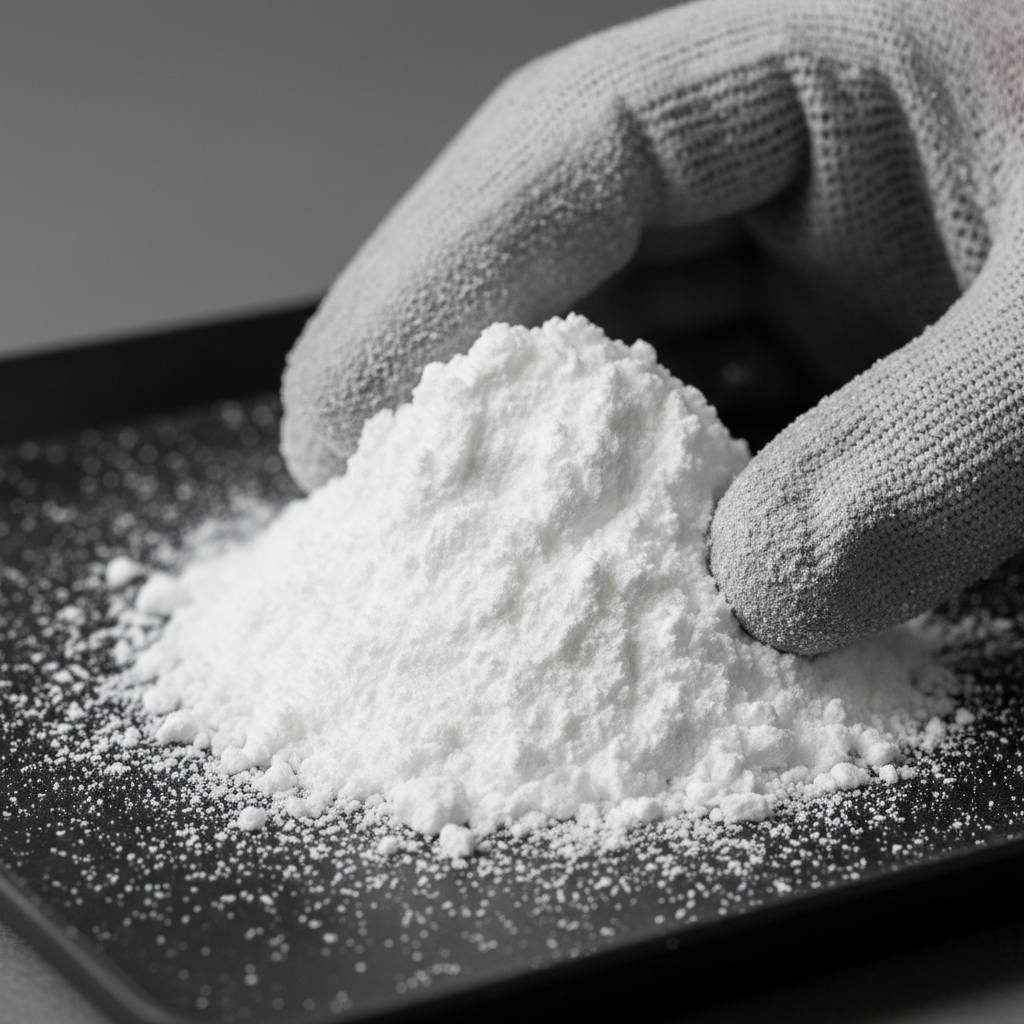
How to Compare Antiscalants in the Lab
Before switching products, run a side-by-side evaluation:
- Static polymerization test: Prepare a synthetic concentrate supersaturated in silica at the plant's pH and temperature. Dose each candidate and track molybdate-reactive silica over 24–48 hours. The product that best keeps reactive silica in solution is performing best.
- Include real ions: Add the hardness, magnesium, and trace iron or aluminum found in your concentrate. Results in clean water can be misleading.
- Dynamic membrane test: A flat-sheet or single-element test rig shows how flux decline compares under realistic flow conditions.
- Check compatibility: Confirm that the inhibitor does not react with residual coagulant or cationic polymer, which can create a new fouling layer.
Cleaning Silica: Know the Limits
Silica deposits respond poorly to standard alkaline cleaning. Higher pH helps dissolve amorphous silica, but polyamide membranes have strict limits that combine pH and temperature. Always follow the membrane manufacturer's cleaning guidelines; exceeding them causes irreversible damage.
In practice, high-pH cleaning within approved limits, longer soak times, and repeated cycles give partial recovery at best. Fluoride-based cleaners can dissolve silica more effectively, but they are hazardous and should only be used with manufacturer approval and proper safety controls. The practical lesson is clear: prevention is far cheaper than removal.
Early Diagnosis: Watch the Tail End
Silica scale forms where concentration is highest, in the last elements of the final stage. Watch for these warning signs:
- Declining normalized permeate flow in the final stage, while the first stage stays stable
- A gradual rise in final-stage differential pressure
- Little change in salt passage at first, which often leads operators to overlook the problem
Daily normalization of operating data is essential. Without temperature correction, a winter flux decline caused by silica can easily be mistaken for normal cold-water behavior. If you suspect silica, autopsy a tail element and analyze the deposit to confirm.
Conclusion
In Gulf brackish water RO, silica often limits recovery, membrane life, and operating cost. Standard antiscalants are not designed for silica polymerization, so plants with significant feed silica need a dedicated silica inhibitor, realistic recovery limits, and careful data trending.
Facing unexplained flux loss in your final stage? Send us your feed water analysis and operating data. Our technical team can calculate your silica risk, recommend a suitable antiscalant, and arrange laboratory compatibility testing for your site.