
Silica Scale Inhibition: Solving High-Silica Challenges in Recirculating Cooling Systems
ON
High-silica water is often called the “ultimate enemy” of water treatment engineers—and for good reason. Unlike common calcium carbonate scale, silica scale is extremely hard, chemically resistant, and difficult to remove once it forms on heat transfer surfaces. In recirculating cooling systems, boilers, evaporators, and reverse osmosis systems, uncontrolled silica deposition can reduce heat transfer efficiency, increase energy consumption, and even cause tube failure or unplanned shutdowns.
For facilities using groundwater, reclaimed water, mine water, or high-recovery RO reject as cooling tower makeup, silica control is no longer optional. A properly selected silica scale inhibitor, used together with a high-performance calcium carbonate inhibitor, can help operators increase cycles of concentration, reduce blowdown, and protect critical equipment from irreversible scaling.
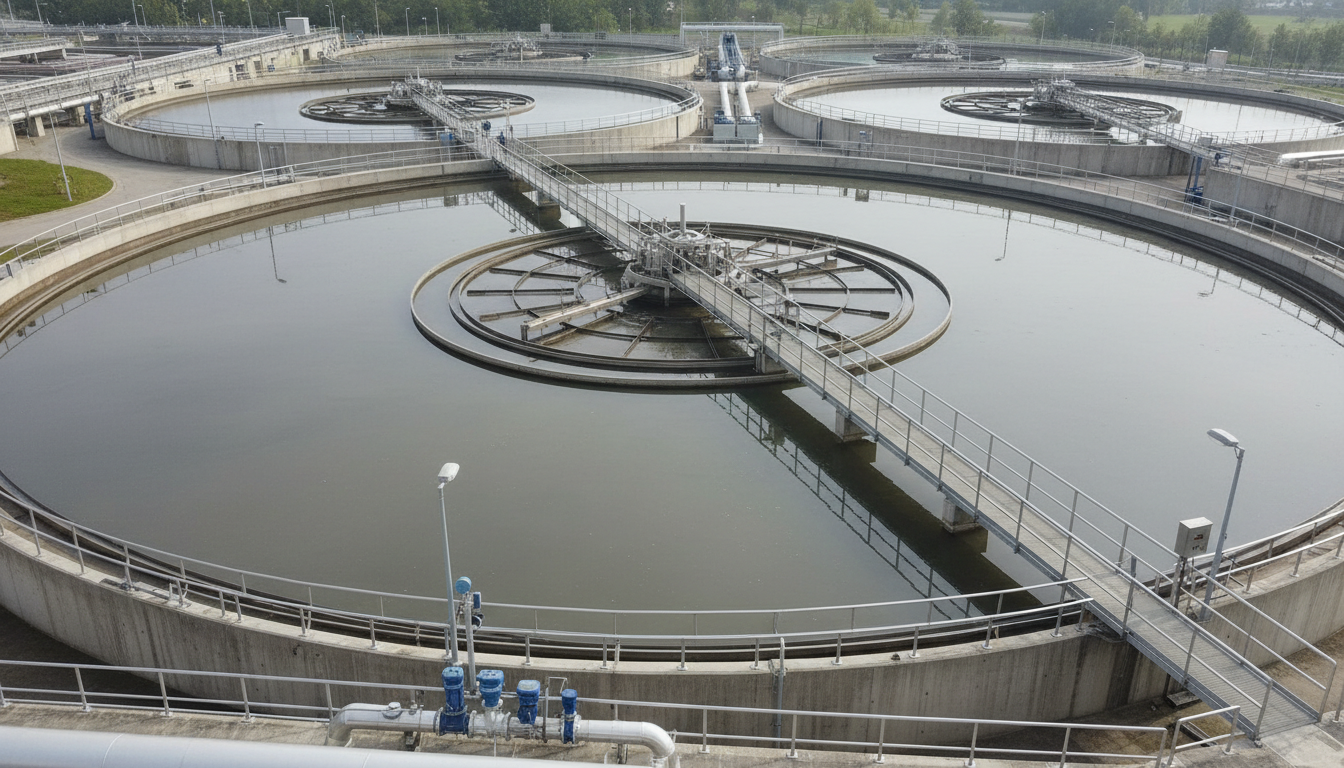
Why Silica Scale Is So Difficult to Remove
Most cooling water operators are familiar with calcium carbonate scale. Although it is troublesome, calcium carbonate can often be removed using acid cleaning, provided the cleaning is performed safely and correctly.
Silica scale is different.
Crystalline or polymerized silica deposits are hard, glass-like, and almost insoluble in common inorganic acids. Once silica forms dense deposits on metal heating surfaces, standard acid cleaning with hydrochloric acid or sulfamic acid may have little effect. In severe cases, operators may need high-risk hydrofluoric acid cleaning or mechanical removal—both of which create safety, cost, and equipment damage concerns.
This is why prevention is far more important than removal. The real question for plant operators is not how to clean silica scale after it forms, but how to stop silica scaling in cooling tower systems before deposition begins.
The Chemistry of Silica Scaling
Silica exists in water mainly as dissolved silicic acid and related species. At normal cooling water temperatures and neutral pH, the solubility limit of dissolved silica is often around 120–150 ppm, although actual limits vary depending on pH, temperature, ionic strength, hardness, and other dissolved minerals.
In a recirculating cooling tower, water evaporates continuously while dissolved minerals remain behind. As cycles of concentration increase, silica concentration rises. When dissolved silica exceeds its solubility limit, it can begin to polymerize into polysilicic acid and colloidal silica.
These polymerized silica species are sticky, stable, and difficult to disperse. They can attach to heat exchange surfaces, combine with metal oxides, or react with calcium and magnesium to form mixed silicate deposits. High temperature accelerates this process, making heat exchangers, condensers, furnace cooling circuits, and evaporative systems especially vulnerable.
Silica scaling becomes even more complicated in high-hardness water. Calcium carbonate and calcium silicate may form together, creating a mixed deposit that is harder and more resistant than carbonate scale alone. This is why effective silica control often requires both a silica scale inhibitor and a calcium carbonate inhibitor.
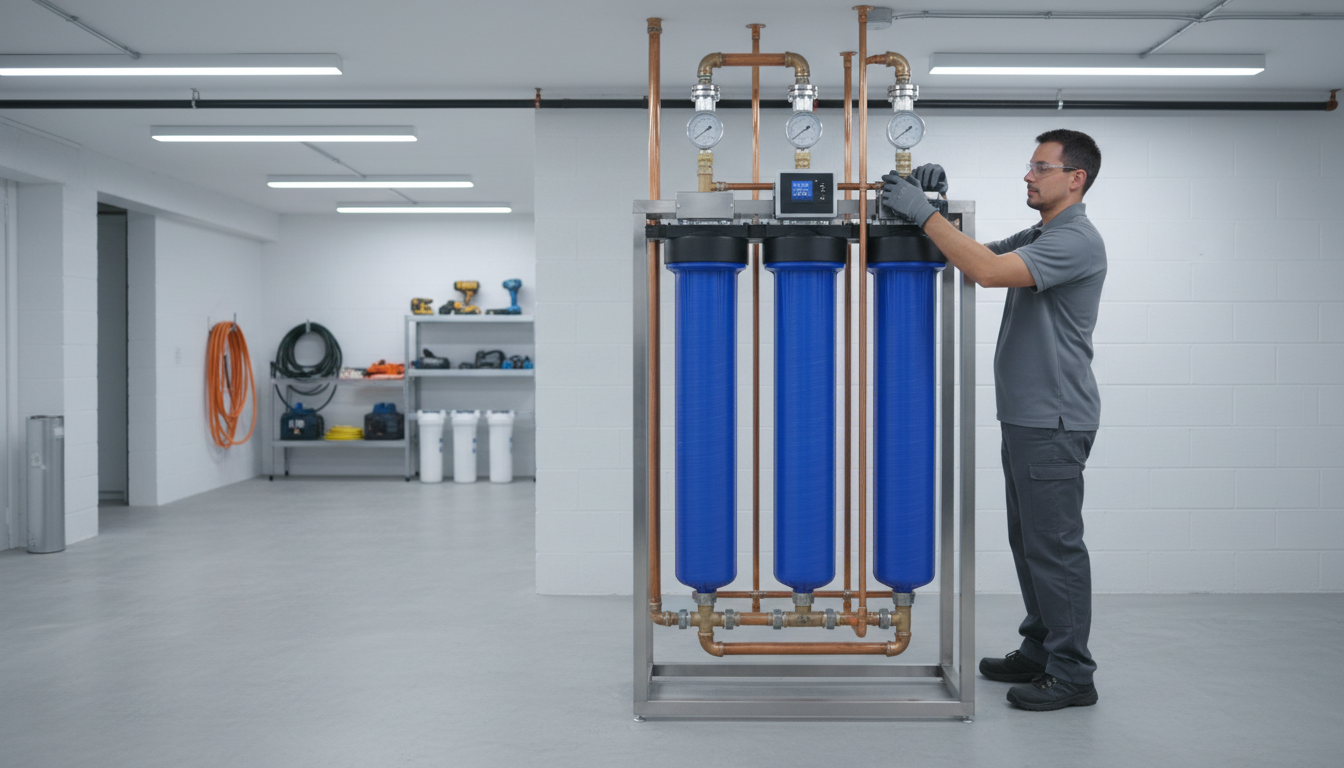
High-Silica and High-Hardness Water: Key Treatment Challenges
Cooling systems using high-silica makeup water often face several simultaneous risks:
- Silica polymerization at high cycles of concentration
- Calcium carbonate scaling caused by alkalinity and hardness
- Calcium silicate or magnesium silicate co-deposition
- Fouling by suspended solids, corrosion products, and biofilm
- Reduced heat transfer and increased energy use
- Restricted flow in heat exchangers and spray nozzles
Simply lowering pH or adding a standard phosphonate program may not solve these problems. Traditional scale inhibitors are often designed mainly for calcium carbonate, calcium sulfate, or barium sulfate control. Silica requires a more specialized chemical strategy.
Innovative Chemical Strategies for Silica Scale Inhibition
1. Specialized Silica Dispersant Polymers
Modern silica treatment programs use specialized polymers with functional groups designed to interfere with silica polymerization. These polymers help keep silica species dispersed in the bulk water, preventing them from growing into sticky colloids and depositing on metal surfaces.
Instead of allowing polymerized silica to attach to heated surfaces, a high-performance silica dispersant keeps particles suspended so they can be removed through normal blowdown.
This approach is especially valuable for:
- Recirculating cooling towers
- High-recovery industrial water reuse systems
- Evaporative condensers
- Steel mill cooling circuits
- Chemical plant heat exchangers
- Mining and metallurgical process water systems
For facilities looking for reverse osmosis silica treatment, similar chemistry may also support downstream protection strategies, especially when used as part of a broader pretreatment and scaling control program.
2. pH Window Control and Scale Dispersion Synergy
Silica behavior is strongly influenced by pH. In some operating windows, silica remains more soluble; in others, it becomes more likely to polymerize or combine with hardness ions. However, pH control must be balanced carefully because lowering or raising pH can affect corrosion, calcium carbonate saturation, and chemical performance.
A practical silica control program often combines:
- pH management
- Silica-specific dispersants
- Calcium carbonate inhibitors
- Hardness stabilization polymers
- Controlled blowdown
- Continuous monitoring of cycles of concentration
The goal is to maintain the system in a stable operating zone where both silica and hardness salts remain suspended or soluble. When calcium carbonate and silica are both present, using only a silica product may not be enough. A strong calcium carbonate inhibitor helps prevent carbonate deposits that can act as nucleation sites for silica attachment.
3. Integration with Physical Pretreatment
Chemical silica inhibition becomes even more effective when combined with suitable pretreatment. Depending on water quality, pretreatment may include lime softening, filtration, ultrafiltration, ion exchange, reverse osmosis, or partial softening.
However, physical pretreatment systems are rarely perfect. Residual silica, hardness, alkalinity, and suspended solids can still enter the cooling system. Chemical treatment provides an important safety margin, especially when makeup water quality varies seasonally.
For high-recovery RO systems, silica can also limit recovery rates. Reverse osmosis silica treatment may include pH adjustment, antiscalant selection, pretreatment optimization, and concentrate management. By controlling silica behavior before and after membrane separation, operators can improve system reliability and reduce cleaning frequency.
The Direct ROI of Silica Management
Silica control is not just a technical issue—it is a financial decision. In water-stressed regions, increasing cooling tower cycles of concentration can significantly reduce makeup water demand and blowdown volume.
For example, safely increasing cycles of concentration from 3 to 6 can reduce cooling tower blowdown by a substantial amount. For large industrial plants, this may save tens or even hundreds of thousands of tons of water each year, while also lowering wastewater discharge costs.
The economic benefits include:
- Lower freshwater consumption
- Reduced blowdown and wastewater treatment cost
- Improved heat transfer efficiency
- Lower energy consumption
- Fewer emergency cleanings
- Longer equipment life
- Reduced risk of tube burn-through, blockage, or shutdown
For steel plants, chemical condensers, mining evaporators, power plants, and petrochemical cooling systems, preventing silica scale can protect assets worth millions of dollars.
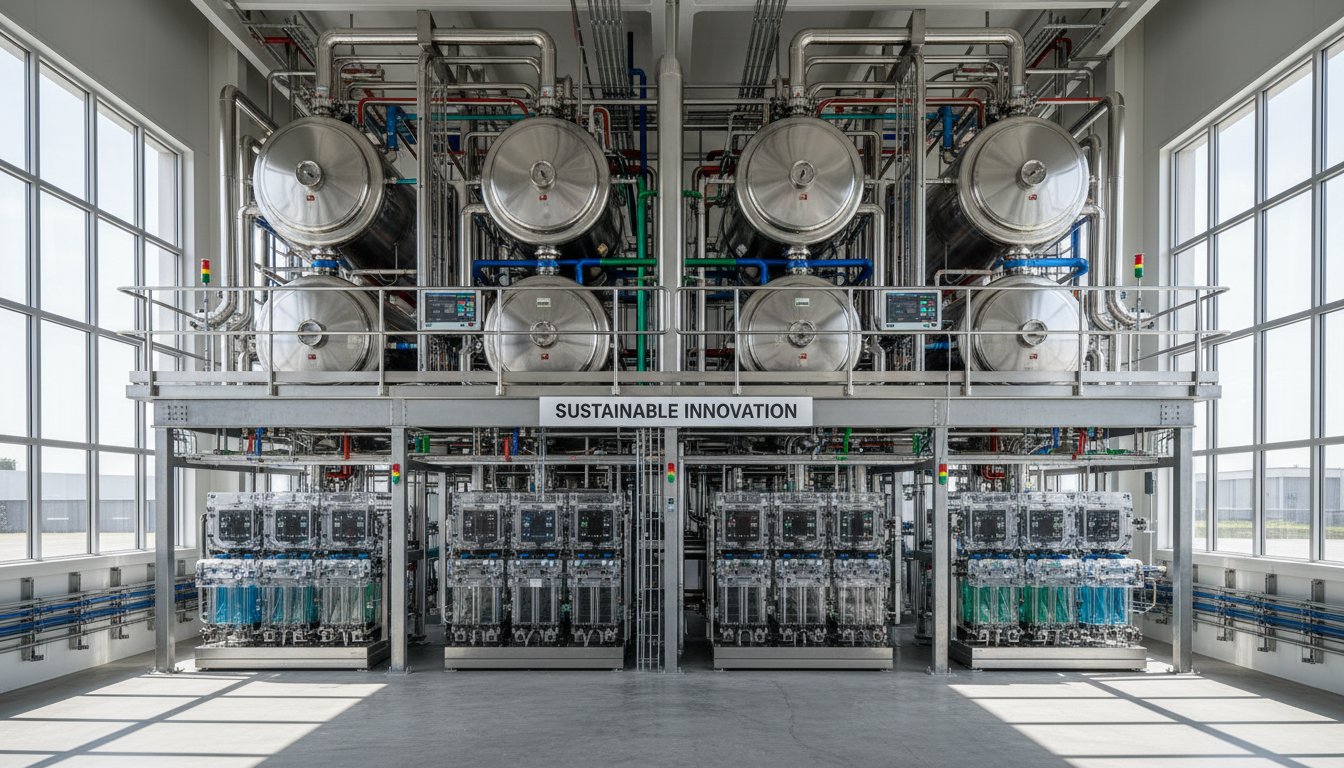
How Oneschem Supports High-Silica Water Treatment
Oneschem provides specialty scale inhibition and dispersion solutions for challenging industrial water systems. Our technical approach focuses on real water chemistry, including silica concentration, calcium hardness, alkalinity, pH, temperature, conductivity, cycles of concentration, and system metallurgy.
We help customers select and test:
- High-performance silica scale inhibitor products
- Calcium carbonate inhibitor programs
- Cooling tower dispersants
- RO antiscalants for silica risk control
- Integrated treatment strategies for high-hardness and high-silica water
Whether your plant operates in the Middle East, Southeast Asian volcanic regions, Northwest China, mining areas, or any location with high-silica groundwater, Oneschem can support laboratory evaluation and field application.
Prevent Silica Scale Before It Becomes Permanent
Silica scale is one of the most difficult deposits to remove from industrial water systems. Once formed, it can require dangerous cleaning methods or mechanical removal. The best strategy is prevention through specialized chemical inhibition, dispersion, pH control, hardness management, and proper system monitoring.
If you need to know how to stop silica scaling in cooling tower systems or require support for reverse osmosis silica treatment, contact Oneschem today.
Submit your water analysis to Oneschem and request laboratory and field data for our specialty high-performance silica dispersant and scale inhibitor programs.