
Silica and Sulfate Scaling Control in Gulf SWRO Plants: Choosing the Right RO Antiscalant for High-Recovery Desalination
ON
The Arabian Gulf is the global heartland of Seawater Reverse Osmosis (SWRO). Mega-scale plants across Saudi Arabia, the UAE, and Kuwait run continuously to meet municipal and industrial demands. However, managing these facilities efficiently requires overcoming some of the most challenging raw water conditions in the world.
Desalination plants in the Gulf region face a difficult combination of high seasonal temperatures (often exceeding 35°C), high feed salinity (TDS levels up to 45,000 mg/L), and elevated silica levels. Under these conditions, traditional water treatment strategies can fall short. Standard, off-the-shelf RO membrane antiscalant formulations often hydrolyze and degrade when exposed to the high temperatures and alkaline concentrate streams typical of this region.
To keep high-recovery systems operating reliably and protect membranes from irreversible damage, operators must select specialized seawater reverse osmosis (SWRO) chemicals designed for these demanding environments.
The Dual Scaling Menace: Calcium Sulfate & Silica
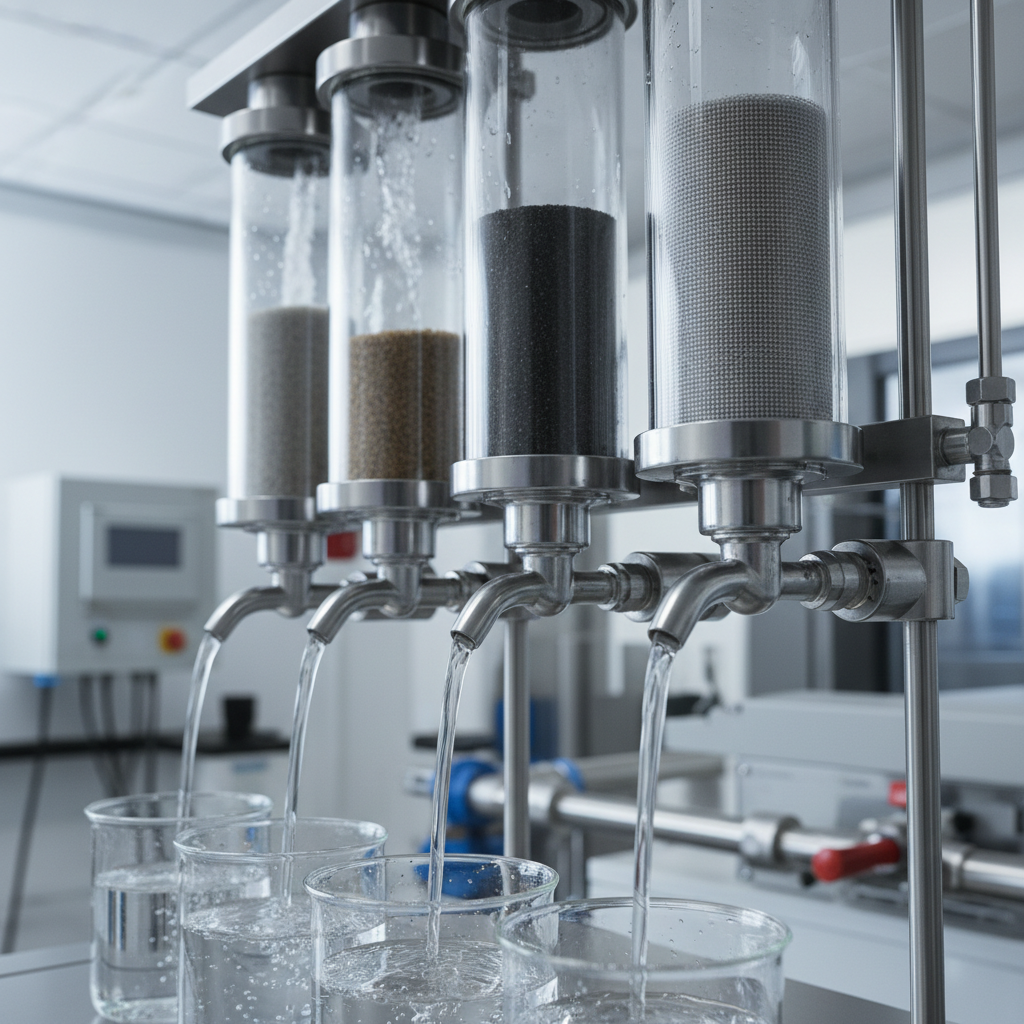
In high-recovery SWRO systems, the concentration of minerals in the brine stream increases rapidly. This leads to two highly destructive scaling mechanisms: calcium sulfate precipitation and amorphous silica polymerization.
[High Recovery SWRO Brine]
▼ ▼
[Calcium Sulfate (CaSO4)] [Amorphous Silica (SiO2)]
• Retrograde solubility at high temp • Exceeds 120 ppm solubility limit
• Forms hard, needle-like crystals • Hydrolyzes into glass-like gel
• Physically cuts membrane surfaces • Permanently blinds membrane pores
1. Calcium Sulfate (CaSO4CaSO_4CaSO4) Scaling
Unlike calcium carbonate, which can be managed by adjusting pH, calcium sulfate features retrograde solubility—meaning it becomes less soluble as temperatures rise. As operators push for higher recovery rates to lower the overall seawater desalination chemical cost Saudi Arabia, calcium sulfate quickly reaches supersaturation in the concentrate. It precipitates as dense, needle-like gypsum crystals that can physically puncture and tear the delicate polyamide active layer of RO membranes.
2. The Silica (SiO2SiO_2SiO2) Solidification Limit
Silica is a particularly challenging mineral to manage in reverse osmosis systems. Once the dissolved silica concentration in the concentrate exceeds its physical solubility limit (typically around 120 ppm at standard operating temperatures), it begins to polymerize. This polymerization forms a tough, glass-like amorphous silica gel across the feed spacers and membrane sheets.
Unlike carbonate scales, which can be dissolved with standard acid washes, polymerized silica is virtually insoluble in traditional organic acids. Once silica scale forms, the membrane element is often permanently fouled and must be discarded. Managing this risk requires an advanced silica scale inhibitor Middle East that can chemically delay this polymerization process.
Oneschem’s High-Performance Anti-Precipitation Technology
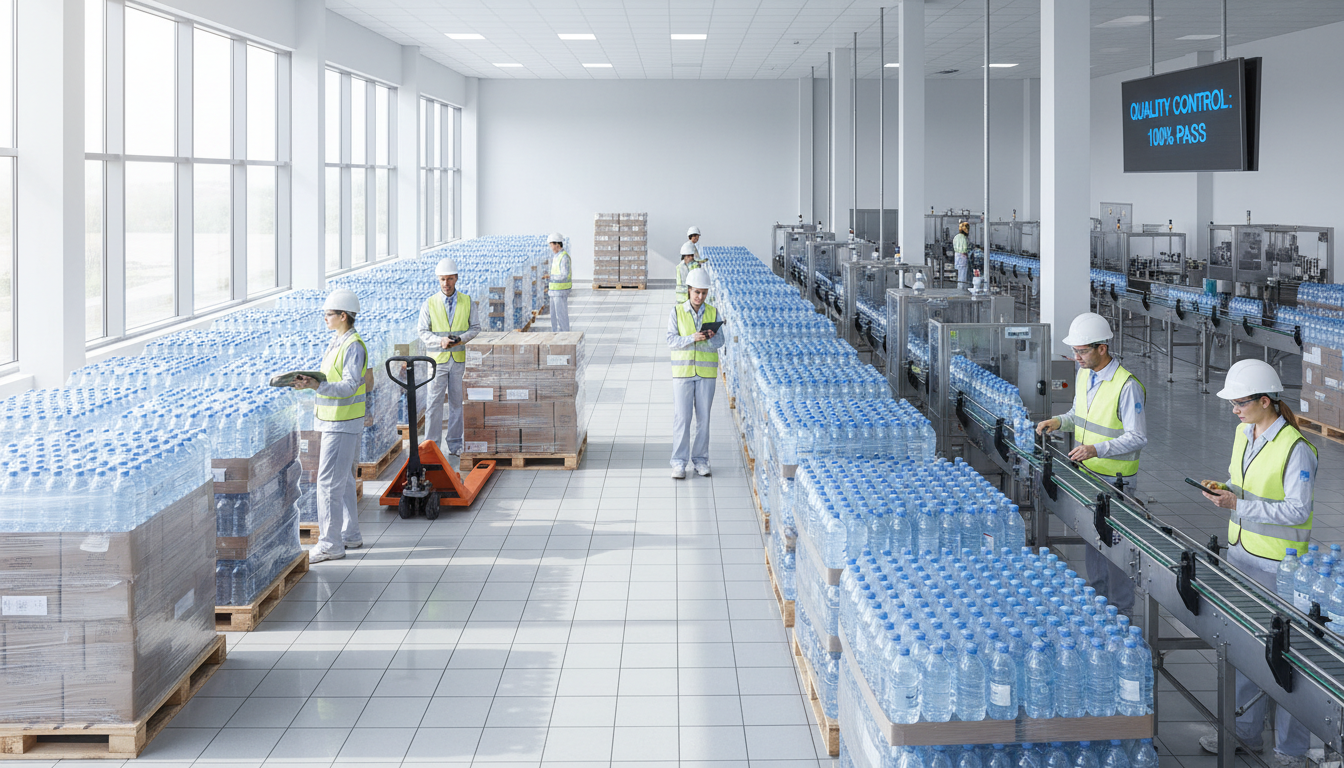
To address these twin challenges, Oneschem has developed a specialized line of high-performance RO antiscalants engineered specifically for high-salinity, high-temperature desalination applications.
Oneschem High-Performance Antiscalant
▼ ▼
[Crystal Lattice Distortion] [Silica Dispersion Technology]
• Carboxylate-sulfonate terpolymers • Prevents monomer polymerization
• Active at feedwater temps >35°C • Keeps silica mobile up to 300 ppm
• Prevents CaSO4 crystal growth • Maintains clear brine channels
High-Temperature Crystal Lattice Distortion
Many traditional organophosphonates and simple polyacrylic acid (PAA) polymers lose their structural stability at temperatures above 30°C, rendering them ineffective.
Oneschem’s advanced antiscalant chemistry utilizes thermal-resistant carboxylate-sulfonate terpolymers. These molecules remain highly stable at feed water temperatures exceeding 35°C. They work through a process called crystal lattice distortion: the polymer chains adsorb onto the microscopic nuclei of calcium sulfate as they begin to form, disrupting their crystalline structure. This prevents the crystals from growing or adhering to the membrane surface, keeping them suspended in the brine stream until they exit the pressure vessel.
High-Silica and High-Salinity Compatibility
Oneschem's proprietary formulation also functions as a powerful dispersant for colloidal silica. By chemically capping the active silanol groups on dissolved silica molecules, the antiscalant prevents them from cross-linking into polymers. This technology extends the critical silica solubility limit in the concentrate stream from 120 ppm up to 250–300 ppm.
This gives operators the flexibility to run at higher recovery rates without risking silica scale formation, even when managing highly concentrated groundwaters or challenging Gulf seawater.
Calculating the OPEX Savings: Reducing CIP Frequency
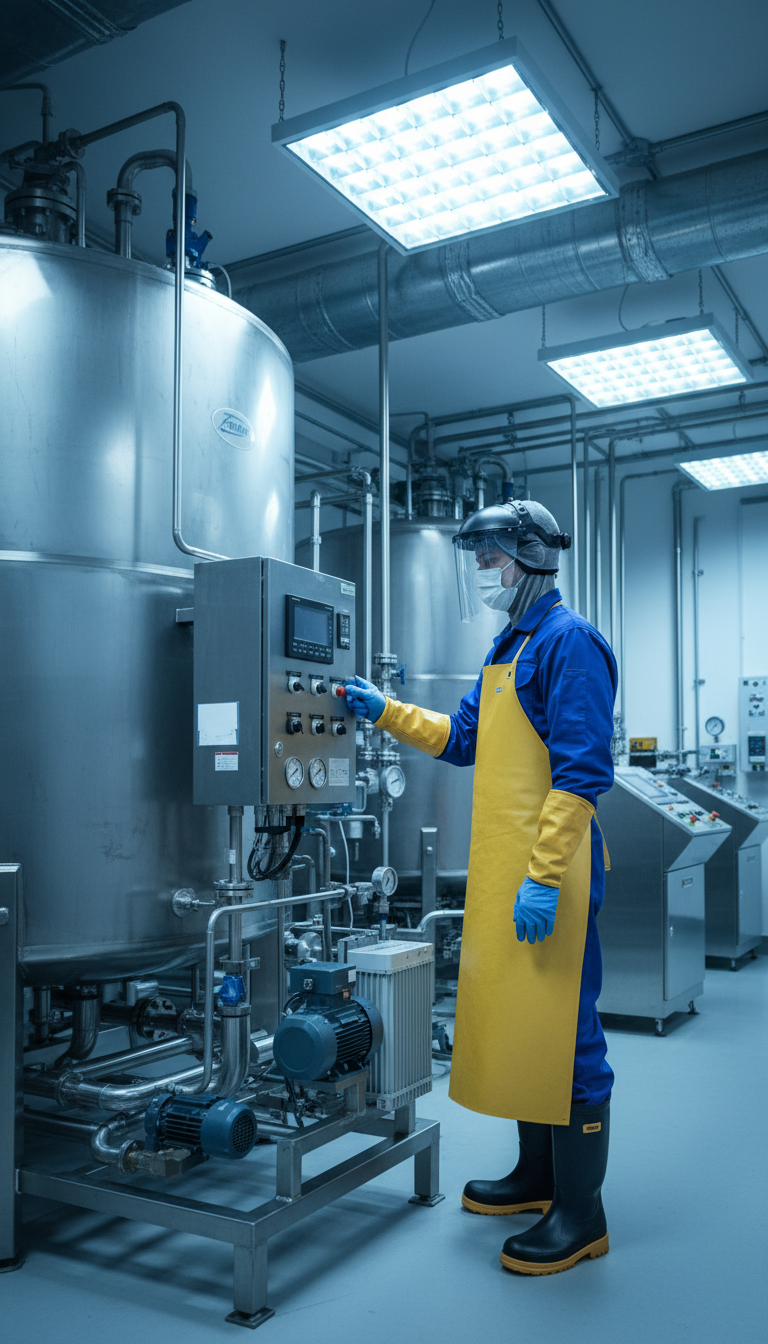
For plant managers and O&M engineers, upgrading to high-performance chemistry offers direct operating expense (OPEX) benefits.
Using sub-optimal or low-cost generic antiscalants in high-TDS water typically results in micro-scaling. This requires plants to perform Clean-In-Place (CIP) cycles as often as once a month. Frequent acid and alkaline washes damage membranes, accelerate flux decline, and require plant downtime.
| Performance Indicator | Standard Antiscalants | Oneschem Targeted Chemistry |
| Typical CIP Interval | 3 – 4 Weeks | 4 – 6 Months |
| Average Membrane Lifespan | 2 – 3 Years | 5+ Years |
| Specific Energy Consumption | High (Due to scale-induced pressure drop) | Low (Optimized membrane feed pressure) |
| Chemical Disposal & Waste | High volumes of acidic/caustic CIP waste | Significantly reduced environmental footprint |
By switching to Oneschem’s targeted chemistry, municipal and industrial plants can typically extend their CIP intervals to once every 4 to 6 months. This preserves membrane integrity, maintains low high-pressure pump energy requirements, and reduces chemical cost and clean-up downtime.
Optimize Your RO Recovery with Oneschem
Safeguarding high-recovery water plants in the Middle East requires specialized, field-proven chemistry. Oneschem provides a full range of high-efficiency seawater reverse osmosis (SWRO) chemicals designed to protect your assets and lower operational costs in high-salinity and high-temperature environments.
We also offer customized RO projection software modeling. By entering your specific feedwater design analysis—including TDS, silica, calcium, and temperature profiles—our technical team can calculate exact scaling indices, pinpoint your maximum safe recovery rate, and recommend the optimum dosing rate for your facility.
Contact Oneschem today to request a custom RO scale projection or arrange for a technical consultation with our engineering team.