
RO Membrane Biofouling in Southeast Asia Textile Reuse: How Non-Oxidizing Biocides and Anionic PAM Recover Permeate Flux
ON
Textile manufacturers in Vietnam, Indonesia, Bangladesh, and other Southeast Asian markets are under increasing pressure to reduce freshwater consumption and meet stricter wastewater discharge requirements. As a result, many dyeing, garment, footwear, and chemical plants are upgrading their treatment systems with ultrafiltration (UF) and reverse osmosis (RO) to support water reuse and Zero Liquid Discharge (ZLD) programs.
However, textile wastewater reuse creates a difficult operating environment for membrane systems. Residual dyes, surfactants, sizing agents, lubricants, and high-COD organic matter can pass through inadequate pretreatment. Combined with warm operating conditions and intermittent production, these contaminants provide an ideal environment for microbial growth.
The result is often rapid biofouling: permeate flux falls, differential pressure rises, cleaning becomes more frequent, and RO membrane replacement costs increase. A coordinated program using anionic polyacrylamide (PAM) for upstream solids removal, a compatible RO membrane biocide, and carefully selected RO membrane cleaning chemicals can help restore performance and protect membrane life.
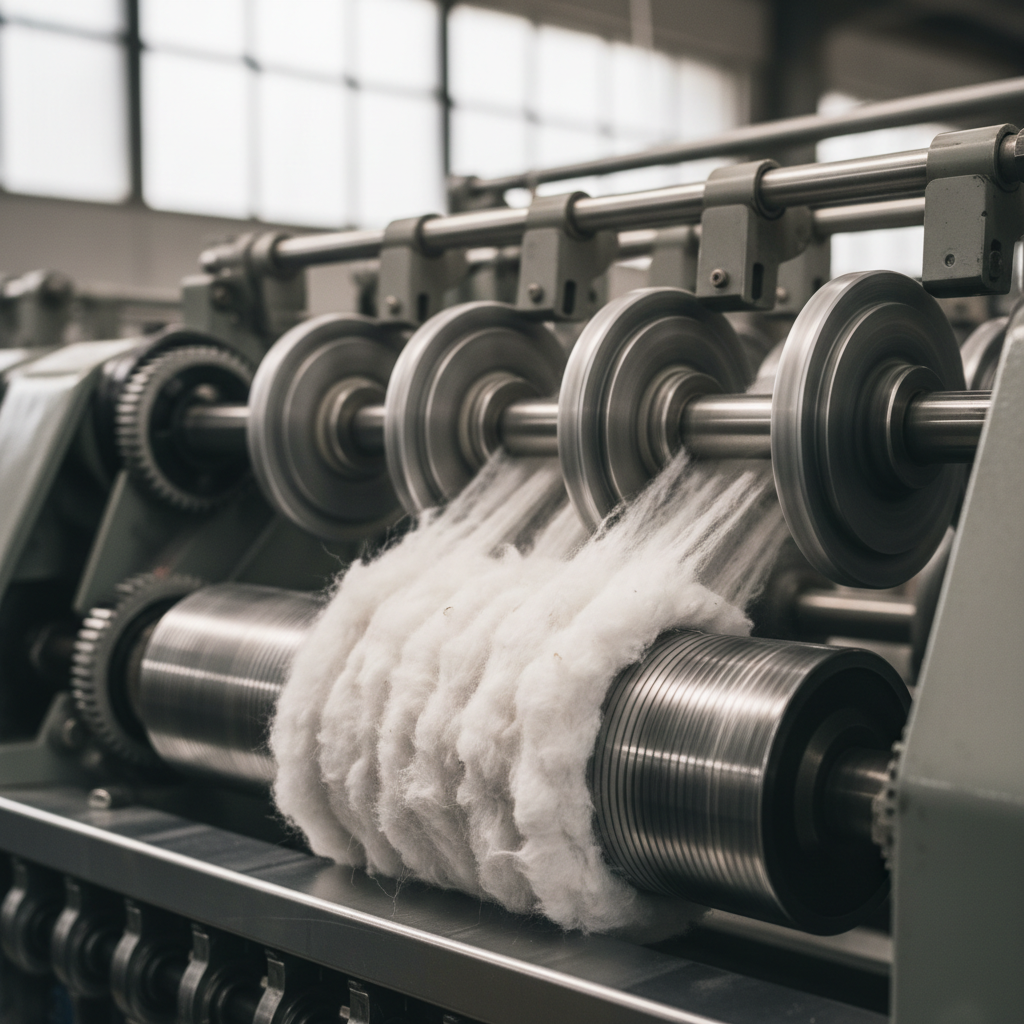
Why Textile Reuse Systems Experience Rapid Biofouling
Textile wastewater is chemically complex. Even after biological treatment and clarification, the feed to UF or RO may still contain:
- Residual dyes and dye auxiliaries
- Surfactants and emulsified oils
- Soluble and colloidal COD
- Fine fibers and sizing materials
- Nutrients that support microbial growth
- Iron, manganese, and hardness-forming minerals
These substances can accumulate on UF and RO surfaces, forming a sticky layer that traps bacteria and extracellular polymeric substances (EPS). EPS is the slimy material produced by microorganisms to attach to surfaces. Once established, this layer becomes difficult to remove with water flushing alone.
Biofouling commonly produces several warning signs:
- Normalized permeate flow declines rapidly.
- Feed-to-concentrate pressure drop increases.
- RO operating pressure must be increased to maintain production.
- Permeate quality may gradually deteriorate.
- Cleaning frequency increases from quarterly to monthly—or even weekly.
In a textile wastewater reverse osmosis reuse system, these symptoms should be investigated before operators simply increase pump pressure. Higher pressure may temporarily recover production but can accelerate compaction, scaling, and irreversible membrane damage.
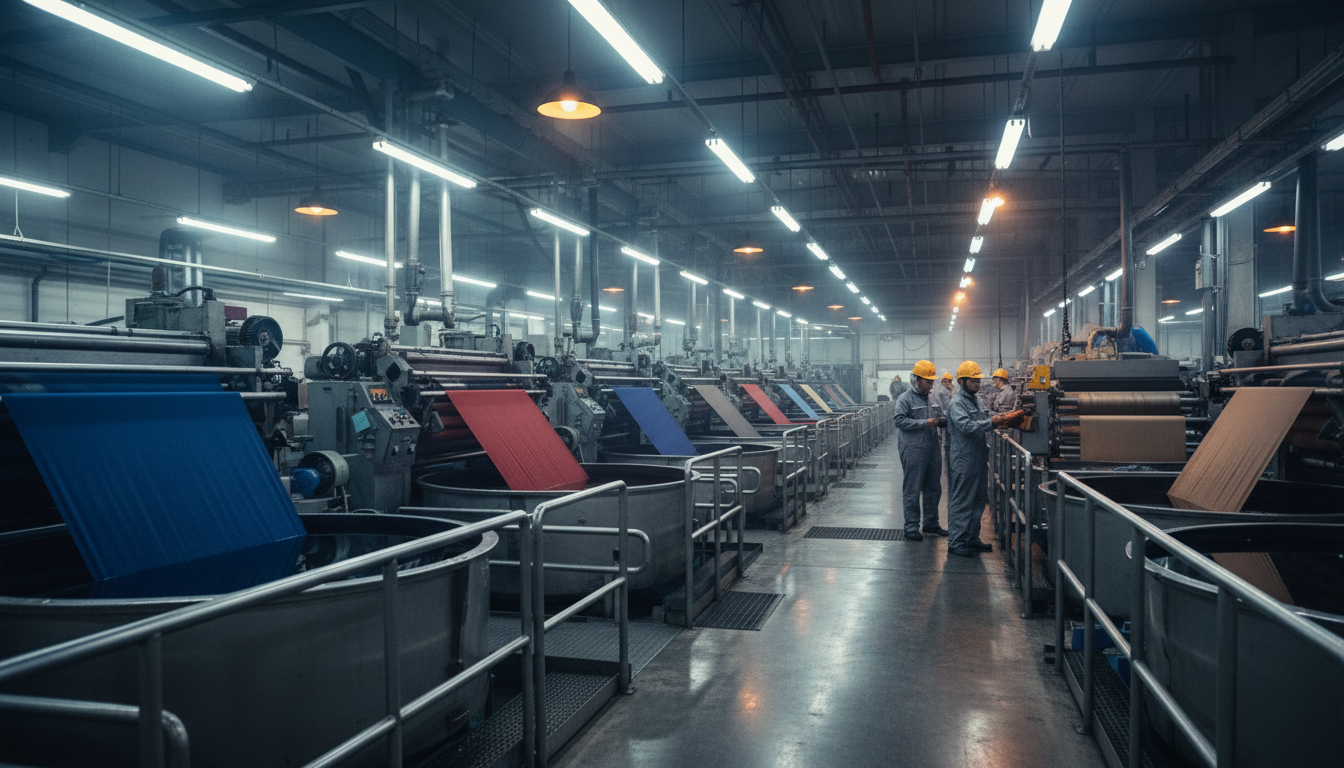
Step One: Build a Strong Pretreatment Barrier with Anionic PAM
Effective biofouling control starts before the water reaches the membrane. Chemical conditioning should remove as much colloidal and particulate organic matter as possible in the clarification, sedimentation, or dissolved air flotation stage.
High-molecular-weight anionic PAM can be used with inorganic coagulants such as polyaluminum chloride (PAC), polyferric sulfate (PFS), or polyaluminum ferric chloride (PAFC). The inorganic coagulant first destabilizes negatively charged colloids and residual color bodies. The anionic polymer then bridges these microflocs into larger, stronger aggregates that are easier to settle or float.
This approach can reduce:
- Suspended solids and colloidal particles
- Residual dye and color
- Fine fibers and sizing materials
- Organic material attached to particulate matter
- The fouling load entering UF and RO
Polymer selection should never be based only on molecular weight or price. Textile wastewater varies considerably between dyeing, washing, printing, and finishing operations. Jar testing should evaluate charge density, mixing intensity, settling or flotation speed, sludge volume, filtrate turbidity, and downstream membrane compatibility.
Overdosing PAM can create its own problems, including residual polymer carryover, increased organic loading, and sticky deposits on membranes. The optimum dose is therefore determined through laboratory testing and confirmed by plant trials.
Step Two: Select a Compatible RO Membrane Biocide
Pretreatment reduces the food source for microorganisms, but it may not eliminate biological growth inside tanks, cartridge filters, UF systems, and RO feed lines. A suitable RO membrane biocide may be required for periodic control.
Non-oxidizing biocides such as DBNPA or isothiazolinone-based products are often considered for membrane applications because they do not attack polyamide membranes in the same way as free chlorine. Their use must still follow the membrane manufacturer’s chemical compatibility limits, approved concentration, contact time, pH range, and flushing requirements.
Why Free Chlorine Is a Risk
Most modern RO membranes use an aromatic polyamide active layer that is highly sensitive to free chlorine and other strong oxidants. If chlorinated water reaches the membrane without adequate dechlorination, the polyamide layer can undergo oxidative damage. Salt rejection may decline permanently, even if permeate flow initially appears normal.
Therefore, plants using chlorine for upstream disinfection should install and monitor dechlorination—commonly with sodium bisulfite or an equivalent approved method—before the RO stage. Online ORP and free-chlorine monitoring can help prevent accidental exposure.
Non-oxidizing biocides should be treated as part of a controlled biological management program, not as a substitute for pretreatment, sanitation, or regular cleaning. Product residues must be flushed thoroughly before the system returns to production, especially where the water is reused in manufacturing.
Step Three: Use the Correct High- and Low-pH Cleaning Sequence
When biofouling has already reduced flux, the selection and order of RO membrane cleaning chemicals are critical.
High-pH Cleaning for Organic and Biological Deposits
Alkaline cleaning is generally used to remove organic fouling, microbial slime, proteins, surfactants, and dye-related deposits. A properly formulated high-pH cleaner may include surfactants, dispersants, builders, and chelating agents to loosen and suspend deposits without damaging the membrane.
Cleaning effectiveness depends on temperature, pH, circulation velocity, soak time, and fouling severity. The solution should be circulated at the membrane supplier’s recommended conditions, followed by a thorough flush with suitable-quality water.
Low-pH Cleaning for Inorganic Scale
Acid cleaning is normally applied to carbonate scale, metal oxides, and selected inorganic deposits. Citric acid or other membrane-approved acid formulations may be used depending on the deposit composition. Acid cleaning is not a reliable solution for mature biological slime and may fix or redistribute certain organic deposits if used first.
For mixed fouling, operators commonly begin with an alkaline cleaning step, rinse thoroughly, and then apply an acid cleaner if scaling is confirmed. The correct procedure should be based on autopsy, feedwater analysis, differential-pressure trends, and small-scale cleaning tests.
Practical Results Require Data-Based Chemical Management
With improved coagulation, optimized anionic PAM dosing, preventive biocide control, and a structured CIP program, textile plants can often stabilize normalized flux and extend membrane service life. Claims such as increasing membrane life from approximately 10 months to more than 2.5 years should be treated as site-specific targets rather than guaranteed results. Actual performance depends on feedwater quality, pretreatment design, cleaning discipline, membrane type, recovery, and operating conditions.
Oneschem can support textile wastewater reuse projects in Vietnam, Indonesia, and Bangladesh with chemical screening, jar testing, RO fouling diagnosis, and customized CIP recommendations.
If your RO system is losing flux, suffering from frequent biofouling, or requiring repeated chemical cleaning, contact Oneschem for a site-specific evaluation and a compatible RO membrane biocide and cleaning chemical program.