
Produced Water Reuse in Iraq and Oman: Breaking Oil-Water Emulsions with PAFC and Cationic PAM
ON
Oilfields in Iraq and Oman are under increasing pressure to reduce freshwater consumption, improve produced water management, and meet stricter discharge or reinjection requirements. Produced water is no longer viewed only as a waste stream. When properly treated, it can be reused for water injection, cooling, dust suppression, drilling support, or further polishing through filtration, ultrafiltration, and reverse osmosis.
However, treating oilfield produced water is rarely simple. Many produced water streams contain dispersed oil, stable oil-water emulsions, suspended solids, fine clay, corrosion products, residual production chemicals, polymer flooding residues, and high concentrations of dissolved salts. These contaminants can make conventional clarification unstable and expensive.
A combined chemical program using Poly Aluminium Ferric Chloride (PAFC) and Cationic Polyacrylamide (Cationic PAM) can provide an effective solution for breaking emulsions, improving solid-liquid separation, reducing oil sludge volume, and protecting downstream treatment equipment.
For operators seeking reliable produced water treatment in Iraq or oily wastewater flocculant solutions in Oman, chemical selection must be based on actual water chemistry, not on a one-product-fits-all approach.
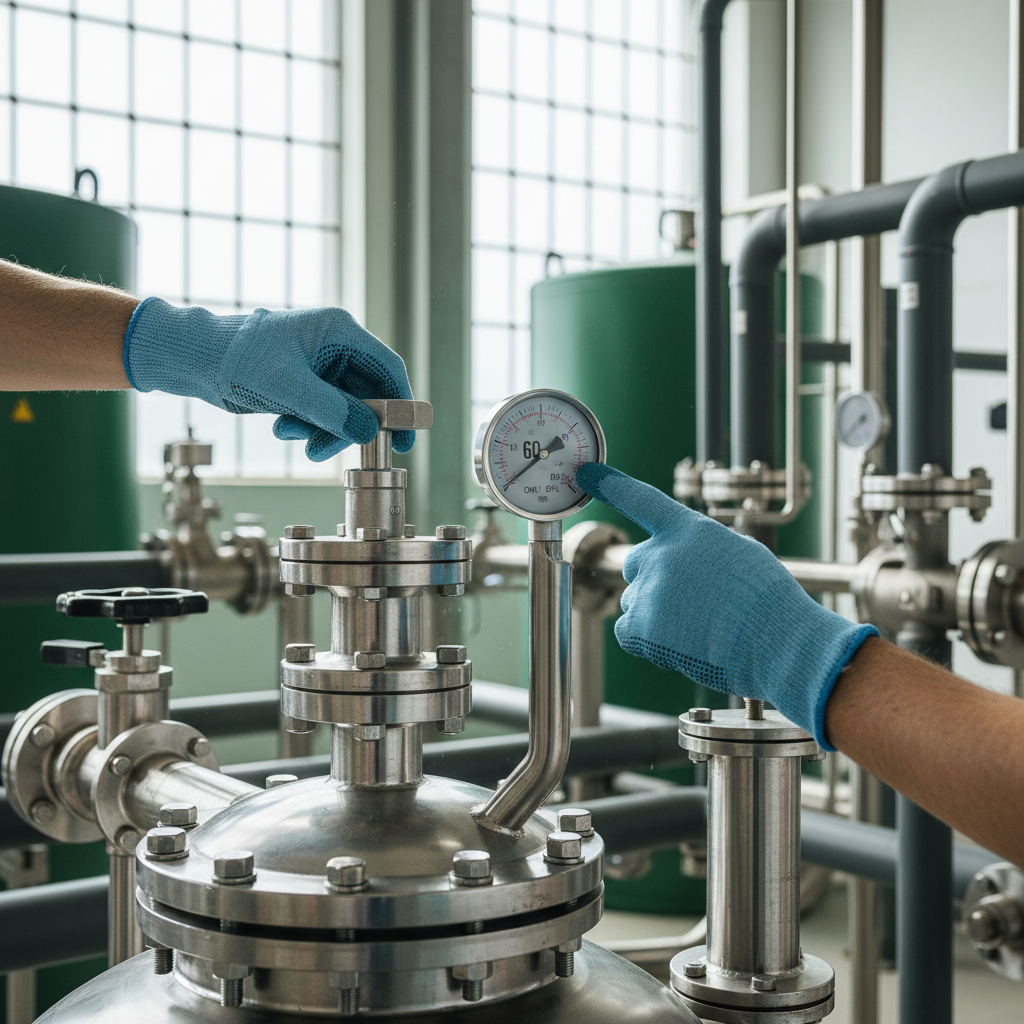
Why Produced Water Reuse Is Growing in Iraq and Oman
Oil production generates large volumes of water throughout the life of a field. In mature fields, the water-to-oil ratio can become very high, meaning that operators may handle several barrels of water for every barrel of oil produced.
In Iraq and Oman, water treatment and reuse are becoming increasingly important for several reasons:
- Reduced availability of freshwater resources
- Higher water injection requirements for reservoir pressure maintenance
- Increased costs of wastewater transport and disposal
- More demanding environmental compliance requirements
- Limited capacity for evaporation ponds or discharge facilities
- Growing interest in industrial water reuse and closed-loop water management
Before produced water can be reinjected or reused, it must meet target quality requirements. These may include limits for oil and grease, suspended solids, particle size, turbidity, iron, bacteria, and scaling ions. If treatment is inadequate, downstream filters, injection wells, membranes, heat exchangers, and pipelines can suffer plugging, corrosion, fouling, or loss of efficiency.
Why High-Salinity Produced Water Is Difficult to Clarify
Traditional coagulation using standard polyaluminium chloride (PAC) can sometimes work for low-to-moderate turbidity wastewater. However, many oilfield produced waters are far more complex.
Produced water may contain:
- Free oil and dispersed oil droplets
- Stable oil-water emulsions
- Fine suspended solids and formation particles
- Clay, silica, sand, and metal sulfides
- High total dissolved solids (TDS)
- Calcium, magnesium, barium, strontium, and sulfate ions
- Iron corrosion products
- Demulsifier residues and surfactants
- Polymer flooding chemicals, such as partially hydrolyzed polyacrylamide
- Temperature and pH fluctuations
High salinity can compress the electrical double layer around oil droplets and fine particles. In some cases, this may support destabilization; in other cases, it can make chemical behavior less predictable. Residual surfactants, production chemicals, and polymer residues may stabilize emulsions and prevent oil droplets from coalescing.
As a result, a standard PAC product may produce small, weak flocs, inconsistent settling, high chemical consumption, or excessive sludge generation. The clarified water may still contain fine oil droplets and suspended solids that overload dissolved air flotation (DAF), nutshell filters, cartridge filters, or membrane systems.
Why PAFC Performs Well in Oily Wastewater Treatment
Poly Aluminium Ferric Chloride (PAFC) is a composite inorganic coagulant containing both aluminum and iron components. Compared with conventional PAC, PAFC can provide stronger charge neutralization, wider operating flexibility, and improved sweep flocculation for certain oily wastewater applications.
PAFC is especially useful where produced water contains emulsified oil, high turbidity, fine particles, metal oxides, and difficult-to-settle suspended solids.
Its main treatment mechanisms include:
Charge Neutralization
Oil droplets and fine suspended solids often carry negative surface charges, which keep them dispersed in water. PAFC provides positively charged hydrolysis species that can neutralize these charges. Once repulsive forces are reduced, droplets and particles can begin to aggregate.
Adsorption and Sweep Flocculation
As PAFC hydrolyzes, it forms metal hydroxide flocs that can capture dispersed oil, colloidal solids, and suspended particles. This “sweep” mechanism is useful for treating waters with fluctuating turbidity or complex contaminant mixtures.
Improved Treatment of Fine Solids
The ferric component can contribute to the removal of fine mineral particles, iron-bearing solids, and some organic contaminants. This can improve downstream flotation, clarification, and filtration performance.
For oilfield water clarification chemicals, PAFC is often considered when conventional PAC is unable to achieve stable oil removal or when the system requires stronger floc formation under variable water quality conditions.

How Cationic PAM Strengthens Flocculation
PAFC is generally used as the primary coagulant, while Cationic Polyacrylamide (Cationic PAM) is commonly used as a flocculant aid. After PAFC destabilizes oil droplets and suspended solids, Cationic PAM helps connect the small particles into larger, stronger flocs.
High-charge cationic PAM works through polymer bridging. Its long molecular chains adsorb onto destabilized oil droplets, fine solids, and hydroxide microflocs. The polymer chains then link these particles together, forming larger aggregates that can be removed more easily by DAF, sedimentation, hydrocyclones, clarification, or filtration.
The benefits of PAFC and Cationic PAM treatment may include:
- Faster oil-water separation
- Improved removal of dispersed oil
- Larger and stronger flocs
- Better DAF float formation
- Lower turbidity after clarification
- Reduced load on downstream filters
- Improved sludge dewatering performance
- Lower risk of injection-water plugging
However, polymer dosage must be optimized carefully. Overdosing Cationic PAM can cause restabilization, excessive viscosity, poor flotation, or carryover into downstream systems. Product charge density, molecular weight, dilution method, mixing energy, and injection location all affect performance.
Reducing Oil Sludge and Improving DAF, Settling, and Filtration
A successful produced water treatment program should focus not only on clear water quality but also on sludge volume and handling cost. Poor chemical selection can produce bulky, weak sludge with high water content, increasing disposal costs.
The right PAFC + Cationic PAM combination can improve sludge characteristics by producing denser flocs with better dewatering behavior. This can reduce the volume of oily sludge sent to settling pits, centrifuges, filter presses, or sludge treatment systems.
For DAF systems, the chemical program should create flocs that attach effectively to microbubbles and rise rapidly to the surface. For gravity settlers or clarifiers, the flocs should be dense enough to settle without breaking apart. For downstream media filters or membranes, pretreatment should reduce turbidity, suspended solids, and residual oil to protect filtration performance.
Key Tests for PAFC and Cationic PAM Selection
Every oilfield produced water stream is different. Before selecting a full-scale treatment chemical program, laboratory jar testing and pilot trials are strongly recommended.
Important water-quality parameters include:
- Oil and grease concentration
- Free oil versus emulsified oil content
- Turbidity and total suspended solids (TSS)
- Particle size distribution
- Zeta potential
- Salinity and total dissolved solids
- pH and alkalinity
- Temperature
- Iron, manganese, calcium, magnesium, and sulfate
- Residual demulsifiers, surfactants, and polymer flooding chemicals
- Downstream treatment requirements, such as DAF, filtration, reinjection, or RO
Zeta potential testing can be particularly valuable because it helps identify the dosage range needed for effective charge neutralization. The final decision should consider not only oil removal, but also settling speed, flotation quality, sludge volume, chemical cost, and compatibility with downstream equipment.

Optimize Your Produced Water Treatment Program
For oil producers in Iraq and Oman, effective water reuse begins with stable oil-water separation. A properly selected Poly Aluminium Ferric Chloride and Cationic Polyacrylamide program can help break difficult emulsions, remove fine solids, reduce oily sludge, and improve DAF, clarification, and filtration performance.
Send your produced water sample for PAFC + Cationic PAM laboratory testing. A tailored chemical evaluation can identify the most effective coagulant, polymer grade, dosage range, and treatment sequence for your oilfield produced water reuse or reinjection project.