
Polyacrylamide (PAM) Selection Guide: Anionic vs. Cationic vs. Non-ionic
ON
If you work in wastewater treatment, mining, or paper production, you already know that polyacrylamide (PAM) is one of the most important flocculants in daily operations. But many plants still struggle with one critical issue: choosing the wrong PAM type.
Wrong selection can cause poor floc formation, high sludge cake moisture, unstable dewatering, and excessive chemical usage. In this guide, we explain the practical differences between anionic, cationic, and non-ionic PAM, and how to choose the right flocculant for sludge dewatering.
Why PAM Selection Is Critical?
PAM is often treated as a generic product, but in reality, performance depends on ionic type, molecular weight, charge density, and your specific sludge characteristics. The same product that works in one plant may fail in another.
For procurement and technical teams, the goal is not simply buying “cheaper polymer.” The real goal is reducing total treatment cost through:
Better dewatering efficiency
Lower polymer dosage
Lower sludge disposal costs
More stable operation
Common Pain Points in Sludge Dewatering
Across municipal and industrial plants, three problems appear repeatedly:
1.High sludge cake moisture
Dewatered sludge remains too wet, increasing transport and disposal expenses.
2.Small or weak flocs
Flocs break easily during mixing or pumping, reducing separation efficiency.
High chemical consumption
Plants increase dosage to chase results, but root cause is often wrong ionic type rather than insufficient amount.
If these issues sound familiar, it’s time to review your polyacrylamide selection strategy.
Anionic vs. Cationic vs. Non-ionic PAM
1) Anionic PAM (APAM)
Typical use: inorganic suspended solids, mining wastewater, mineral processing.
Anionic PAM carries negative charges and works well in systems where particle characteristics favor adsorption-bridging and charge interaction with positively charged solids.
Common applications:
Mining tailings clarification
Sand/aggregate washing water
Some industrial clarification systems
2) Cationic PAM (CPAM)
Typical use: organic sludge, municipal wastewater, biological sludge dewatering.
Cationic PAM carries positive charges and is usually the first choice for sludge rich in negatively charged organic matter. In many municipal WWTPs, CPAM is essential for belt press and centrifuge performance.
Common applications:
Municipal activated sludge dewatering
Food processing wastewater sludge
Paper mill biological sludge treatment
When comparing PAM anionic vs cationic, a practical rule is:
organic sludge usually needs cationic PAM.
3) Non-ionic PAM (NPAM)
Typical use: special process conditions, including some acidic wastewater streams.
Non-ionic PAM relies mainly on bridging performance rather than strong charge neutralization, making it suitable in specific cases where ionic polymers perform poorly.
Common applications:
Select acidic industrial wastewater
Special fine-particle separation systems

Jar Testing Is Essential Before Bulk Orders
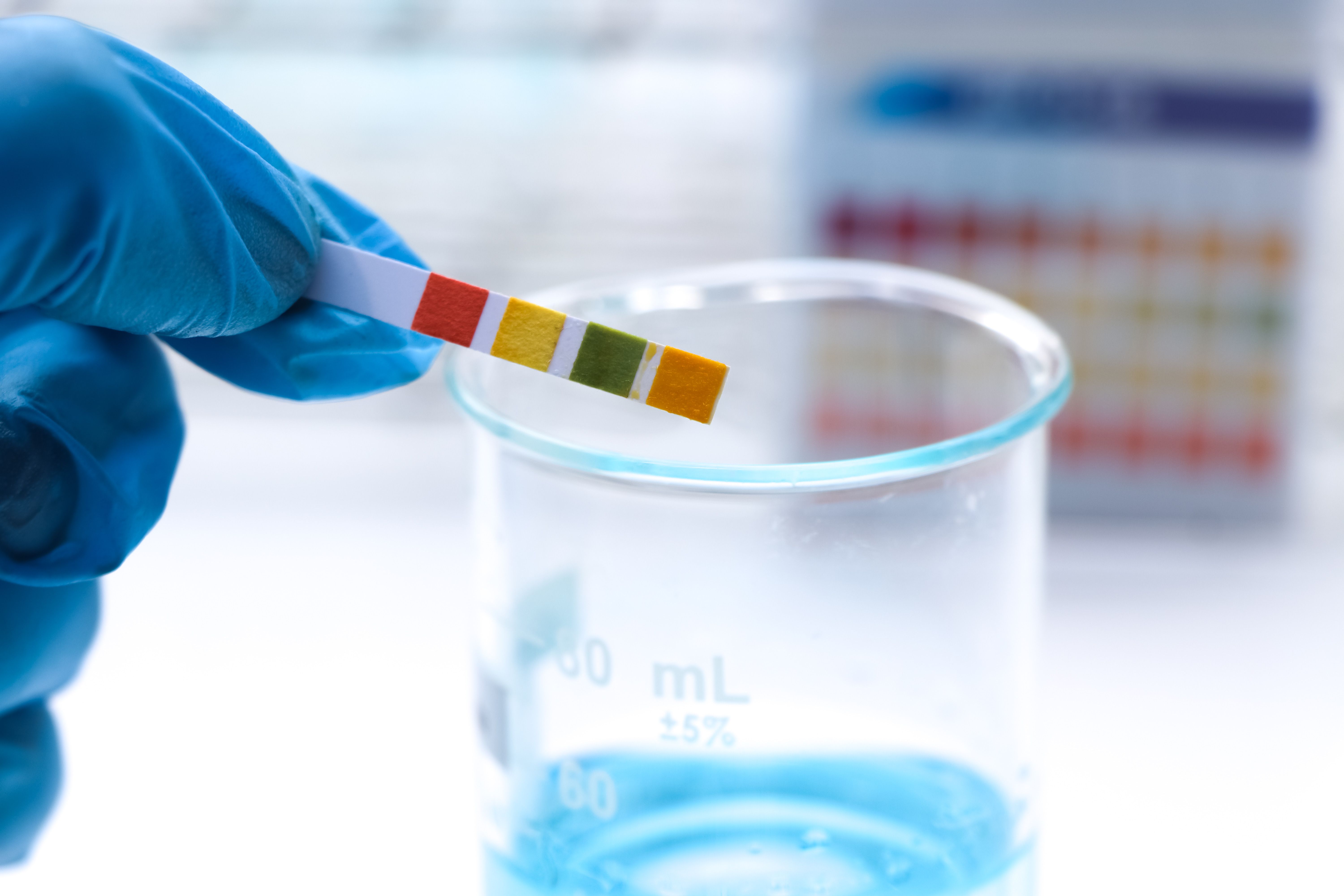
The most reliable way to choose PAM is through lab and pilot testing. A proper Jar Test should compare multiple grades and evaluate:
Floc size and strength
Settling speed and supernatant clarity
Dosage range
Dewatering performance (cake dryness)
Stability under actual pH/process conditions
Testing different ionic types and charge densities can quickly identify the best-performing option and prevent expensive full-scale mistakes.
Practical Selection Workflow
Use this 5-step method:
1.Identify sludge type (organic, inorganic, mixed).
2.Collect key water/sludge data (pH, SS, COD, solids concentration).
3.Shortlist several PAM models (not just one).
4.Run jar tests and, if possible, equipment-oriented trials.
5.Select based on total cost-performance, not unit price only.
This approach is simple, data-driven, and effective for both technical and purchasing teams.
Oneschem’s Value: More Than a Product Supplier
At Oneschem, we support customers in wastewater treatment, mining, and paper industries with application-focused PAM selection.
What we offer:
Industry-based model recommendations
Multiple PAM samples for side-by-side tests
Guidance on dissolution, dosing concentration, and feed point
Technical support to help identify the best match before bulk purchase
Instead of pushing one product, we help you find the right flocculant for your specific system.
Conclusion
PAM is powerful, but only when correctly matched to your sludge chemistry and process conditions. If your plant is dealing with high sludge moisture, weak flocs, or rising polymer dosage, the issue may be selection—not dosage.
Understanding anionic vs. cationic vs. non-ionic PAM and validating through jar testing can significantly improve dewatering efficiency and reduce operating costs.
If you need support with polyacrylamide selection or sludge dewatering chemicals, contact Oneschem and request sample testing options tailored to your application.
Website: www.oneschem.com