
Mining Thickener Overflow Clarification in Zambia and the DRC: PFS and High-Molecular-Weight Anionic PAM for Fine Solids Recovery
ON
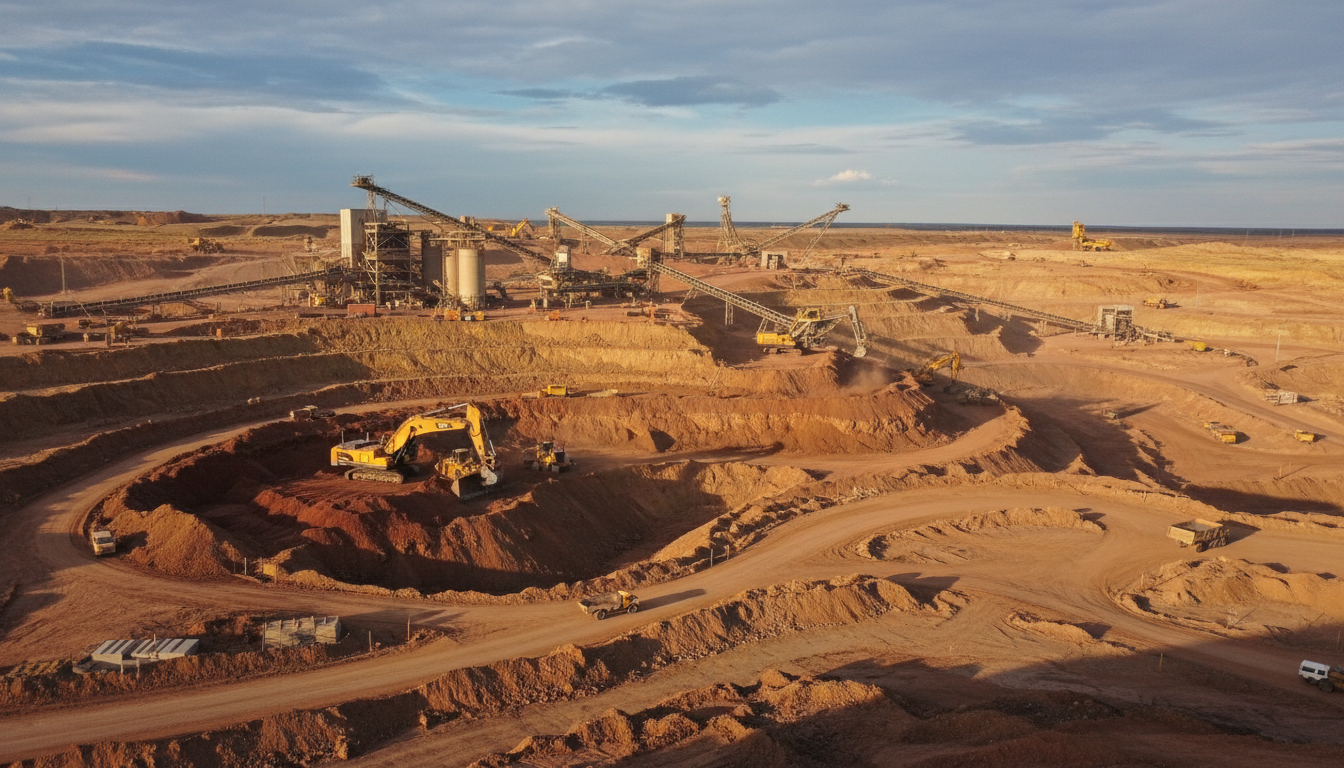
Copper and cobalt operations in Zambia and the Democratic Republic of Congo (DRC) process large volumes of ore containing fine clay, flotation residues, metal-bearing particles, reagent residues, and highly variable mineral fines. At many concentrators and hydrometallurgical plants, thickener overflow quality is a recurring operating challenge.
When thickener overflow turbidity is high, valuable process water cannot be efficiently recycled. Fine solids can circulate back to flotation, accumulate in tanks, wear pumps and valves, and interfere with downstream processing. In copper-cobalt operations, poor clarification can also increase the risk of metal-bearing solids entering discharge streams.
A properly designed chemical treatment program combining Polyferric Sulfate coagulation and high-molecular-weight Anionic Polyacrylamide can improve fine solids capture, stabilize thickener operation, and support higher-quality water recovery.
Why Copper-Cobalt Fine Tailings Are Difficult to Settle
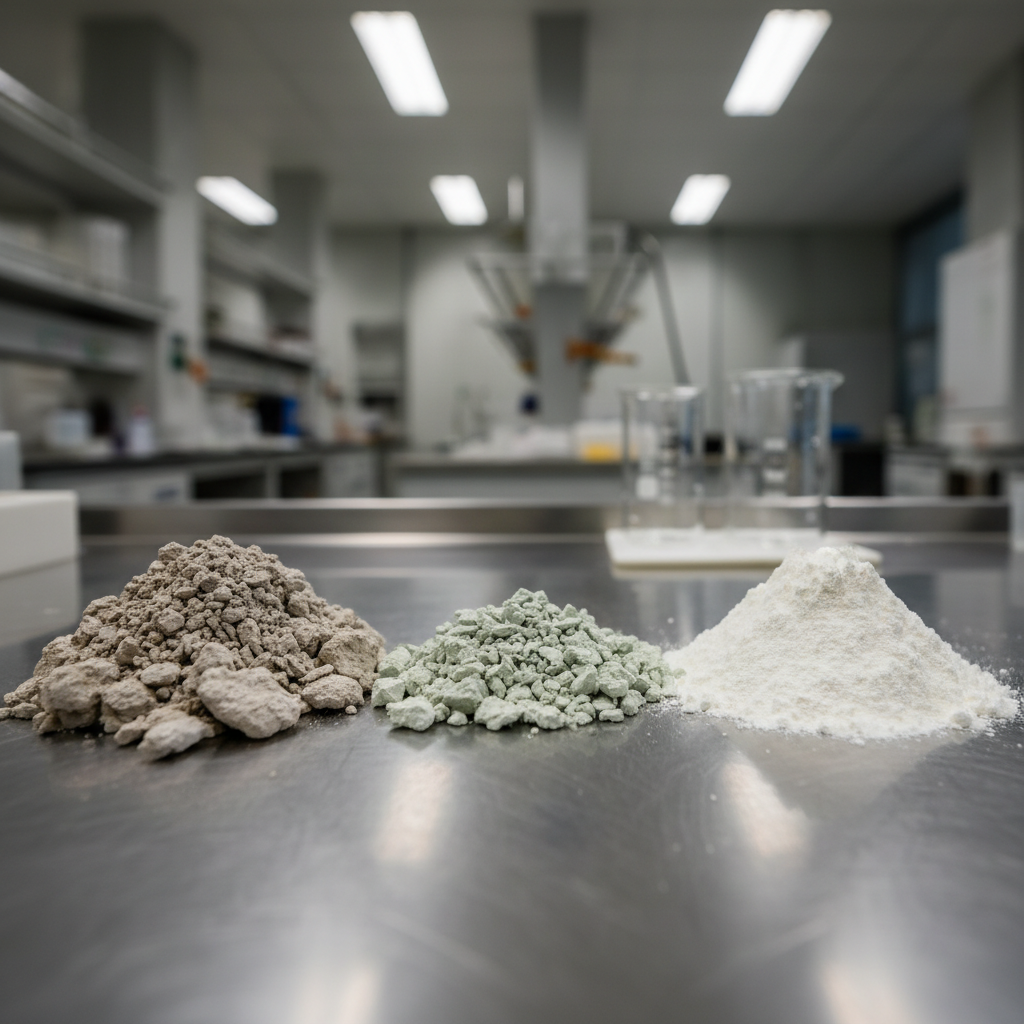
Copper and cobalt tailings are rarely simple sand-like solids. They often contain extremely fine particles generated during crushing, grinding, flotation, leaching, and residue washing. Many of these particles are below 10 microns, while clay-rich fractions may contain colloidal particles below 1 micron.
These ultra-fine particles settle slowly because their low mass provides little gravitational force. At the same time, they often carry negative surface charges, causing particles to repel each other rather than aggregate naturally.
Typical factors making tailings clarification difficult include:
- Fine clay minerals such as kaolinite, smectite, and illite
- Slimes generated during ore grinding
- Variable ore mineralogy between mining zones
- Residual flotation reagents, collectors, frothers, and depressants
- pH fluctuations from lime addition, acid leaching, or neutralization
- Dissolved metal ions including copper, cobalt, iron, manganese, zinc, and aluminum
- High sulfate concentrations in process water
- Seasonal rainwater dilution and changing solids loading
For copper mining wastewater treatment in Zambia, these factors can produce unstable thickener feed conditions. A chemical program that performs well during one ore campaign may become ineffective when clay content, particle size distribution, pH, or dissolved-metal concentration changes.
The Cost of High-Turbidity Thickener Overflow
High overflow turbidity is not only a water-quality issue. It creates plant-wide operational and financial consequences.
When suspended fines are recycled through process water systems, they can reduce flotation selectivity. Fine clay particles may coat mineral surfaces, consume flotation reagents, stabilize froth, or carry gangue into concentrate streams. This can reduce copper and cobalt recovery or lower concentrate quality.
High-turbidity water can also affect equipment reliability:
- Abrasive fines increase wear on pumps, valves, pipes, and impellers.
- Sediment accumulates in tanks, launders, cooling systems, and water-storage ponds.
- Spray nozzles, heat exchangers, and instrumentation may plug or lose accuracy.
- Solids buildup increases maintenance labor and shutdown frequency.
- Recycled water becomes less predictable for flotation and leaching circuits.
From an environmental perspective, poor clarification increases the risk of metal-bearing solids escaping into tailings ponds or final discharge streams. Effective thickener overflow turbidity control is therefore essential for water reuse, process stability, and responsible tailings management.
The Role of Polyferric Sulfate Coagulation
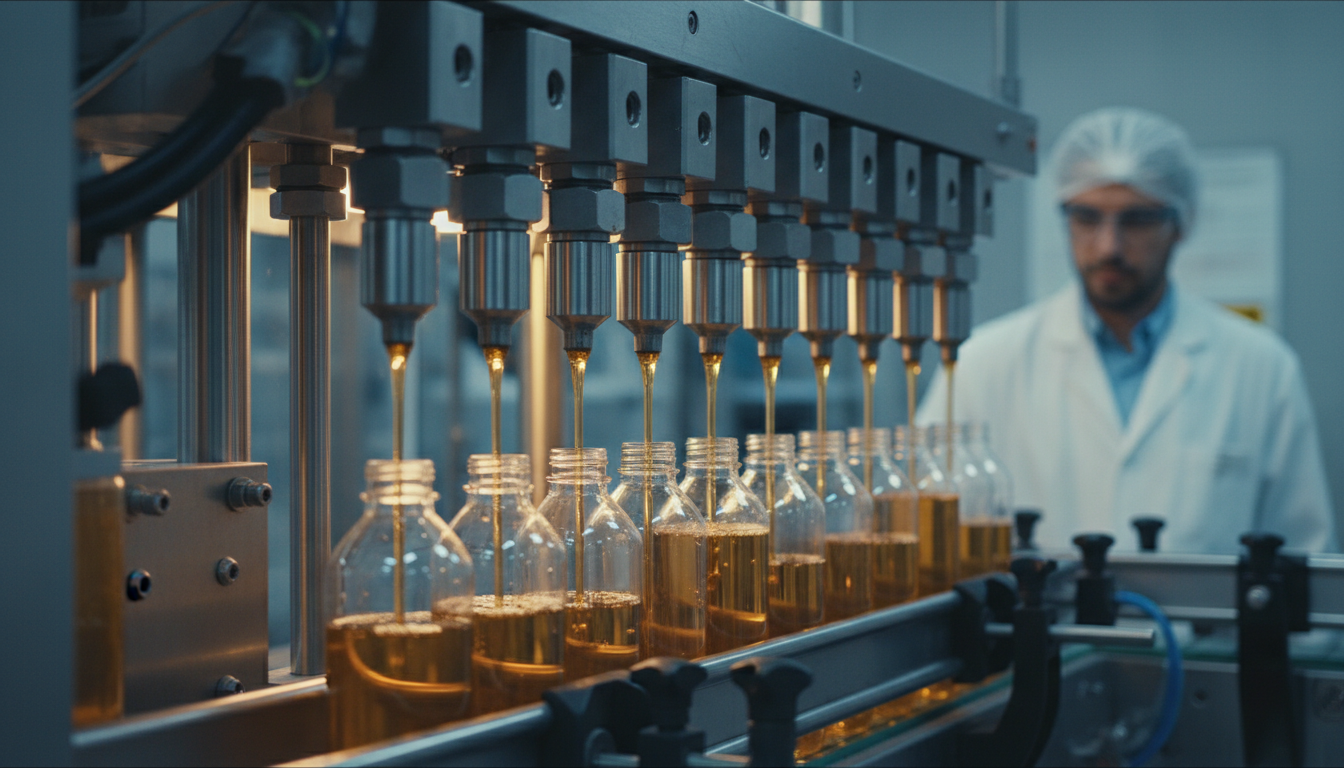
Polyferric Sulfate coagulation is frequently used where fine colloidal particles, color, turbidity, and dissolved-metal species must be treated before sedimentation or filtration. PFS is an inorganic polymeric iron coagulant that works through charge neutralization, adsorption, and sweep flocculation.
In copper-cobalt tailings applications, PFS can help by destabilizing negatively charged fine particles that are difficult to settle with polymer alone. Once particle repulsion is reduced, anionic flocculants can more effectively bridge the particles into larger, denser flocs.
PFS may provide several benefits:
- Rapid destabilization of fine clays and colloidal solids
- Improved removal of suspended solids and turbidity
- Better formation of compact, settleable microflocs
- Co-precipitation or adsorption of certain dissolved heavy metals
- Improved performance consistency when feed-water quality fluctuates
- Reduced load on downstream flocculant dosing
Iron hydroxide species formed from PFS can adsorb suspended solids and some dissolved metal species. Depending on pH and water chemistry, PFS may assist with the removal of copper, cobalt, zinc, manganese, and other metals through adsorption or hydroxide co-precipitation.
However, PFS dosage must be optimized. Excess dosing can increase sludge generation, reduce pH, and add unnecessary soluble iron to the process. In mineral-processing operations, the target is not simply the lowest turbidity. The target is the best overall balance between overflow clarity, settling rate, underflow density, reagent cost, and downstream process compatibility.
Why High-Molecular-Weight Anionic Polyacrylamide Works
After coagulation, high-molecular-weight Anionic Polyacrylamide (anionic PAM) is often the primary flocculant used to accelerate settling and increase underflow solids concentration.
Anionic PAM contains long polymer chains with negatively charged functional groups. In properly conditioned mineral slurries, these polymer chains adsorb onto particle surfaces and create bridges between destabilized particles. The result is the formation of larger flocs that settle faster in a thickener or clarifier.
For cobalt tailings flocculant DRC applications, a high-molecular-weight anionic PAM can deliver:
- Faster settling velocity
- Cleaner thickener overflow
- Higher bed compaction
- Increased underflow solids concentration
- Improved water recovery for reuse
- Reduced requirement for large settling areas
- Better feed performance to downstream filtration or paste systems
The best PAM product depends on more than molecular weight. Charge density, polymer architecture, dissolution behavior, slurry pH, clay type, salinity, shear conditions, and feed solids concentration all influence performance.
For example, a very high-charge anionic PAM may work well for one oxidized copper tailings stream but produce fragile flocs in another stream containing high calcium, magnesium, or iron concentrations. Jar tests and dynamic thickener trials are therefore essential before final product selection.
Avoiding PAM Overdose and Viscous Overflow
More polymer does not always mean better clarification. Anionic PAM overdose is a common cause of poor thickener performance.
When too much polymer is added, particle surfaces can become saturated. Instead of forming strong bridges between particles, excess polymer can create steric stabilization or produce slimy, poorly compacted flocs. The overflow may appear slightly clearer at first, but viscosity can increase and fine polymer-bound particles may carry over.
Signs of PAM overdosage can include:
- Stringy or gelatinous flocs
- Increased overflow viscosity
- Poor overflow clarity despite high polymer consumption
- Poor underflow compaction
- Excessive polymer “fish-eyes” or undissolved gel particles
- Difficulty pumping thickener underflow
- Increased filter-cloth blinding in downstream filtration
To avoid overfeeding, operators should optimize not only total dose but also polymer make-down and dosing conditions. Dry PAM should be fully dissolved in clean water according to supplier guidance, typically with controlled aging time and low-shear mixing. The diluted polymer solution should be injected where it can contact the slurry uniformly without excessive turbulence that breaks formed flocs.
Integrated Optimization: Thickener, Clarifier, and Filter Press
The most effective tailings treatment program considers the full solids-handling chain rather than optimizing one unit alone.
A typical integrated approach may include:
- Feed characterization: Measure solids concentration, particle size, zeta potential, pH, conductivity, dissolved metals, sulfate, and mineralogy.
- PFS coagulation: Apply PFS at a controlled dose to neutralize fine-particle charge and improve metal-bearing colloid capture.
- Anionic PAM flocculation: Dose selected high-molecular-weight anionic PAM under gentle mixing to form strong, settleable flocs.
- Thickener optimization: Adjust feedwell energy, dilution water, rake torque, bed level, and underflow withdrawal rate.
- Overflow polishing where necessary: Use a clarifier, lamella settler, or filtration stage where very low turbidity is required for sensitive process-water reuse.
- Filter press optimization: Select polymer chemistry and underflow density that improve cake formation, filtrate clarity, and cloth-release performance.
The correct chemical combination can reduce overflow suspended solids while producing denser underflow for pumping, filtration, dry stacking, or tailings storage.
Apply for Copper-Cobalt Tailings Settling and Flocculant Screening Tests
Every copper-cobalt ore body and tailings stream behaves differently. The most reliable way to select a PFS and anionic PAM program is through laboratory jar testing followed by site trials under actual operating conditions.
Oneschem provides technical support for Polyferric Sulfate coagulation, high-molecular-weight Anionic Polyacrylamide, thickener overflow clarification, and tailings dewatering programs in Zambia and the DRC.
Contact our team to apply for a copper-cobalt tailings settling and flocculant screening test. Share your slurry sample data, pH, solids concentration, overflow turbidity, and current chemical consumption, and we can recommend a targeted treatment program for improved water recovery and solids handling.