
Maximizing Filter Press Efficiency: Optimized PFS and PAM Synergy for Industrial Sludge Dewatering
ON
Light industrial hubs across Southeast Asia (such as textile dyeing plants in Vietnam and Bangladesh) and South America (including tanneries in Brazil and paper mills in Chile) generate thousands of tons of high-viscosity industrial sludge every day.
For waste management engineers at these facilities, drying this sludge is an ongoing operational challenge. Organic colloids, surfactants from dye baths, and wood-derived lignins create a highly viscous sludge that behaves like slippery gel. When pumped into chamber filter presses or belt presses, this sludge frequently blinds the filter cloths, squeezes out from the plate edges (sludge slippage), and yields heavy, water-saturated sludge cakes.
If your facility is struggling with high disposal costs for wet sludge, the solution lies in optimized chemical pre-conditioning. Pairing high-charge Polyferric Sulfate coagulation with targeted sludge dewatering polyacrylamide (Cationic PAM) can transform difficult, slimy sludge into hand-dry, crumbly cakes.
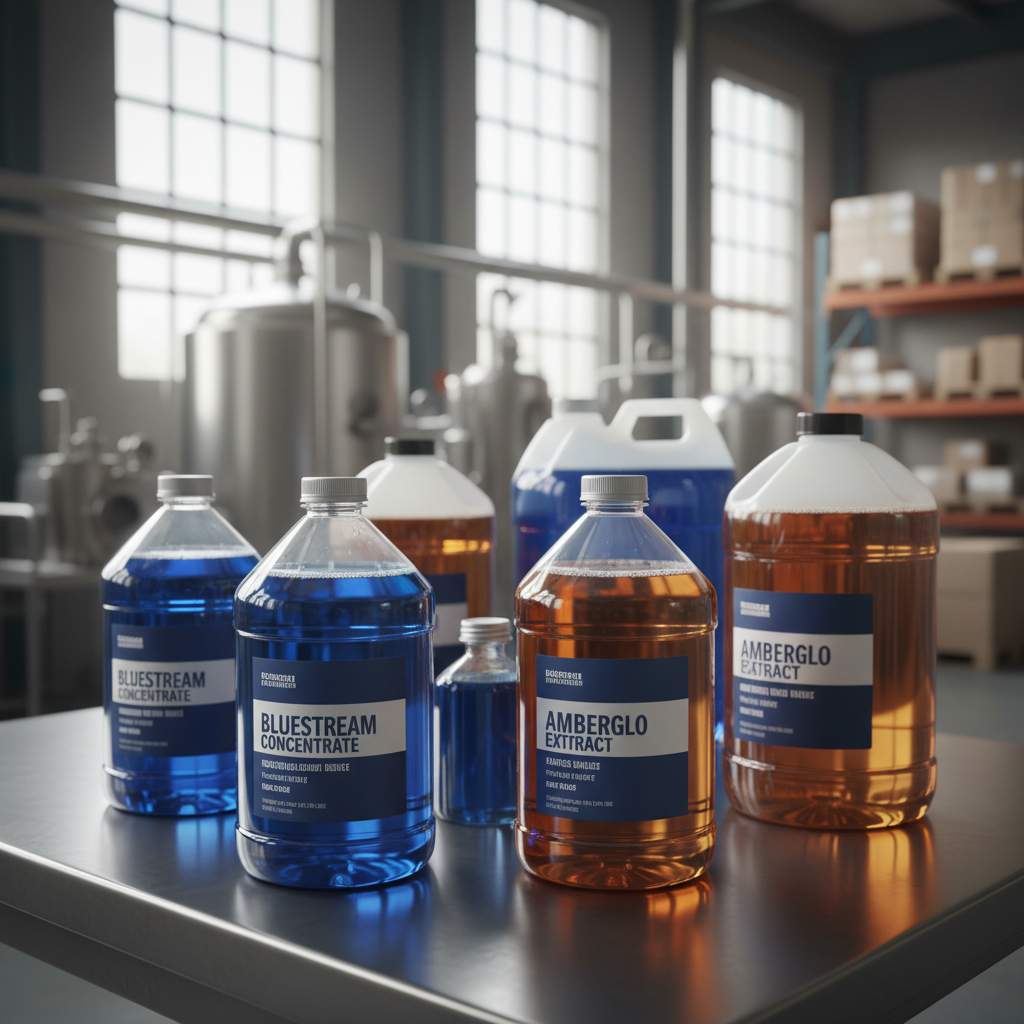
The Sticky Industrial Sludge Dilemma
Why is organic industrial sludge so difficult to dewater? The problem lies in the chemistry of the wastewater.
[Sticky Sludge Colloid]
├── Surfactants & Dyes (Textile) ──► Stabilize oil-water interfaces
├── Lignin & Hemicellulose (Pulp) ──► Create high-viscosity mucus
└── Bound Water Layer (Hydration) ──► Resists physical mechanical squeezing
In textile processing, the extensive use of surfactants, sizing agents, and textile wastewater treatment latex coagulants leaves organic particles with a highly stable, negatively charged surface. In pulp and paper mills, dissolved lignins act like natural glues.
These organic compounds trap water molecules in a tight hydration shell known as bound water. Unlike free water—which can easily be drained—bound water is chemically and physically locked to the sludge particles. Standard water polymers cannot break this hydration layer on their own, meaning the core of each floc remains saturated. When squeezed under the high mechanical pressures of a filter press, these weak flocs collapse into a slimy paste that blinds filter cloths and prevents further drainage.
To solve this, plants must implement a dual-step program of industrial sludge conditioning that chemically breaks this hydration barrier before mechanical pressing begins.
The Mechanics of Sludge Compaction: PFS + Cationic PAM
Oneschem’s specialized conditioning program couples inorganic charge neutralization with organic macromolecular bridging to optimize physical water release.
Step 1: Polyferric Sulfate (PFS) Conditioning
► Hydrolyzes to form highly charged polynuclear iron complexes.
► Destabilizes negative colloid charges and breaks down the bound water layer.
Step 2: Cationic Polyacrylamide (CPAM) Bridging
► Ultra-high molecular weight polymer chains bind neutralized microflocs.
► Creates dense, high-shear-strength networks that resist mechanical crushing.
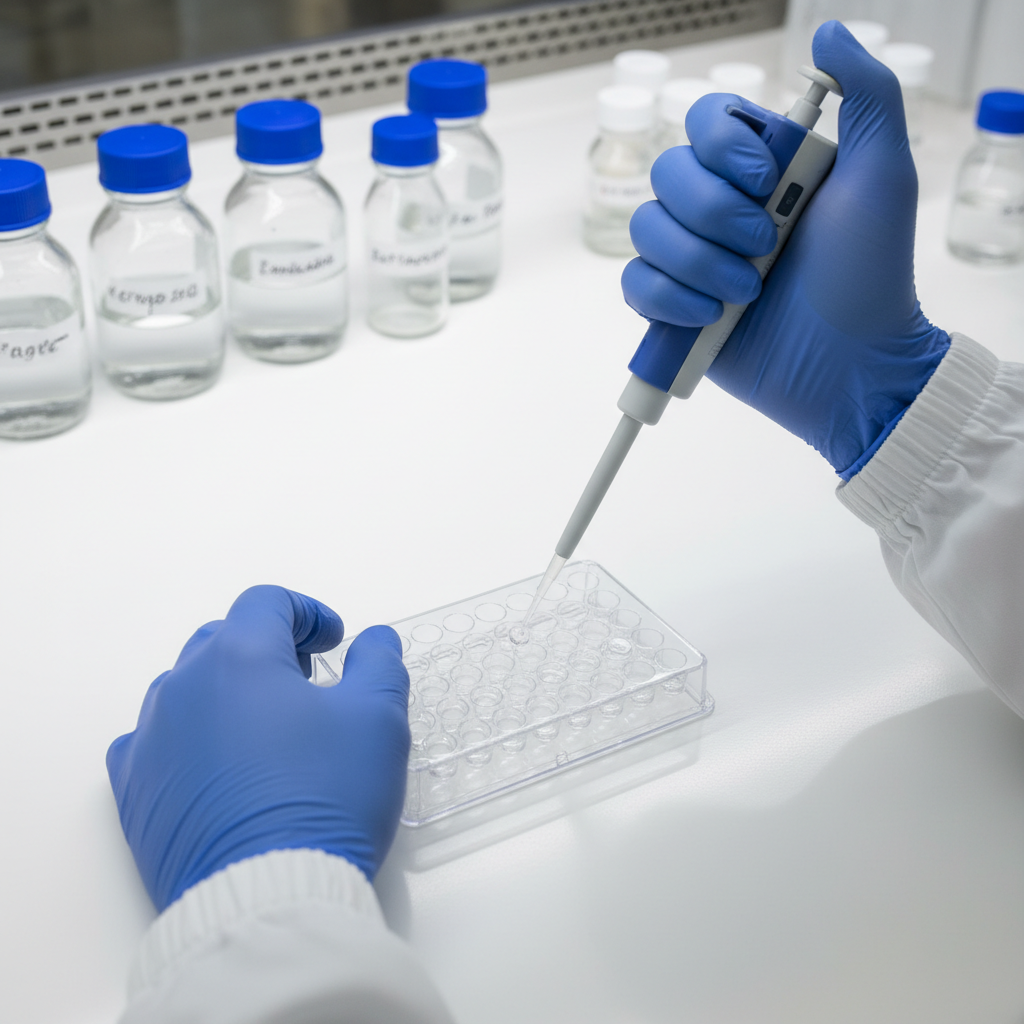
1. Breaking the Bound Water Layer with Polyferric Sulfate (PFS)
Before introducing the flocculant, the sludge is conditioned with Polyferric Sulfate coagulation.
When dissolved, PFS hydrolyzes into various highly charged polynuclear iron complexes. These iron-based ions neutralise the highly negative surface charges of organic colloids much more effectively than standard aluminum-based salts.
By neutralizing these surface charges, PFS destabilizes the colloid structures and breaks the bound water shell. This process releases chemically bound water, converting it into free water that can be easily drained. Furthermore, the heavier iron molecules provide denaturing and precipitation reactions with dyes and surfactants, significantly lowering the overall chemical oxygen demand (COD) of the filtrate.
2. Constructing Shear-Resistant Flocs with Cationic PAM
With the bound water freed, sludge dewatering polyacrylamide is dosed to gather the microflocs into large, stable aggregates.
Oneschem’s cationic polyacrylamide (CPAM) is engineered with a high charge density and an ultra-high molecular weight. The cationic active sites bind strongly to the destabilized organic particles, while the long-chain polymer structures entangle adjacent flocs in a highly coordinated bridging network.
This dual-chemical treatment creates large, dense, and elastic flocs containing open micro-channels. Under pressure, these channels allow free water to drain unobstructed, preventing water from getting trapped in the core of the sludge cake.
The Dry Cake Revolution: Quantified Operational Payoffs
Optimizing your chemical pre-conditioning program can double the throughput of your dewatering equipment.
| Operational Metric | Standard Single-Polymer Method | Optimized PFS + CPAM Synergy |
| Cake Moisture Content | 80% – 85% (Slimy paste) | 65% – 72% (Crumbly, dry cake) |
| Press Cycle Time | 3.5 – 5 Hours | 1.5 – 2.5 Hours |
| Filter Cloth Blinding | Severe (Requires frequent washing) | Minimal (Clean release from cloth) |
| Hauling & Disposal Costs | Baseline (Paying to transport water) | Reduced by up to 40% – 50% |
How to Reduce Sludge Cake Moisture
By releasing bound water before pressing, the PFS-PAM combination typically reduces final cake moisture contents by 10% to 15%. This transitions the physical state of the sludge cake from a sticky, clay-like consistency to a brittle, crumbly texture.
Double Your Filter Press Capacity
Because the flocs are highly structured and permeable, water drains away rapidly during the initial low-pressure fill phase. This shortens total filtration cycles, allowing operators to run more presses per shift and easily accommodate increased production volumes without capital investment in new pressing equipment.
Cleaner Filter Cloths
With complete phase separation, the sludge releases cleanly from filter press cloths during cake discharge, eliminating the need for tedious manual scraping and reducing cloth wash cycles.
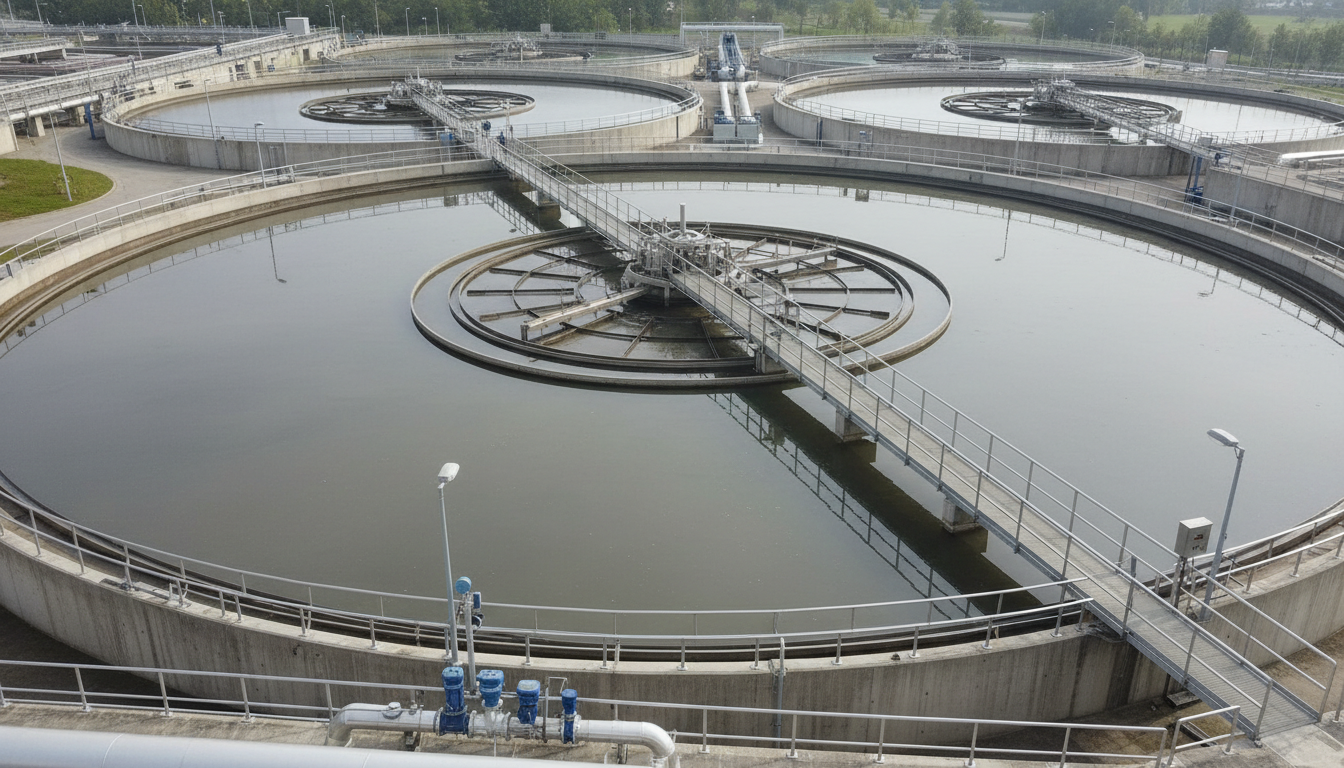
Partner with Oneschem to Optimize Your Dewatering Process
Successful industrial dewatering cannot be achieved with generic municipal polymers. High-viscosity textile, tannery, and paper mill sludges require a chemistry program customized for their organic composition.
Oneschem provides high-purity Polyferric Sulfate coagulation chemicals along with structured sludge dewatering polyacrylamide designed to withstand clean-up shear forces in demanding industrial settings.
Contact our expert technical service team today to arrange a sludge analysis and order a chemical trial kit tailored to your plant’s wastewater profile.