
How to Choose a Reliable Water Treatment Chemical Supplier from China (2026 Guide)
ON
Introduction: Why Your Choice of Supplier Has Never Mattered More
The global water treatment chemicals market is under more pressure than ever. Freight rates remain unpredictable following years of supply chain disruption, raw material prices for key inputs like polyaluminum chloride (PAC), polyacrylamide (PAM), and scale inhibitors continue to fluctuate, and lead times stretch without warning.
For plant managers, procurement engineers, and water treatment distributors around the world, this volatility makes one thing critically clear: the supplier you choose is not just a vendor — they are a risk management partner.
China remains the world's largest producer and exporter of water treatment chemicals, offering unmatched capacity, product variety, and competitive pricing. But sourcing from China without a proven evaluation framework can expose your operation to serious quality, supply, and compliance risks.
This guide gives you a practical, field-tested checklist to identify trustworthy Chinese water treatment chemical suppliers — and avoid the costly mistakes that too many buyers learn the hard way.
Pain Point Analysis: What Goes Wrong When You Choose the Wrong Supplier
Before diving into the solution, let's be honest about the risks. These are the most common complaints we hear from buyers who have had painful experiences with unreliable suppliers:
❌ "The sample was perfect. The bulk shipment was not."
This is the single most reported issue in B2B chemical sourcing. A supplier sends a high-quality sample to win your order, then ships bulk product with lower active ingredient content, substituted raw materials, or inconsistent formulation. The result? Your dosing rates are off, your system performance drops, and your end client is unhappy.
❌ Insufficient Active Content / Diluted Products
Some suppliers knowingly ship products with active ingredient concentrations below the stated specification. A PAC labeled at 30% Al₂O₃ may test at 26–27%. A PAM with stated molecular weight of 12 million may perform as though it's significantly lower. Without independent testing, you may never know until the damage is done.
❌ Delayed Shipments That Halt Your Operations
A water treatment plant cannot pause operations while waiting for a late shipment. Yet production delays, port congestion, and poor supplier logistics planning regularly cause 2–6 week overruns. For buyers running lean inventory, this means emergency procurement at premium prices — or worse, unplanned downtime.
❌ No After-Sales Technical Support
Many trading companies simply resell chemicals without any deep product knowledge. When you ask technical questions — "What is the optimal dosing rate for my high-silica feed water?" or "Can this antiscalant handle a LSI of +2.5?" — you get silence, or worse, a confident but wrong answer.
These are not edge cases. They are industry-wide pain points that cost buyers time, money, and reputation every year.
Key Factors to Evaluate: 4 Standards for Vetting a Chinese Supplier
✅ 1. Do They Provide Independent Third-Party Test Reports?
Any serious supplier should be able to provide:
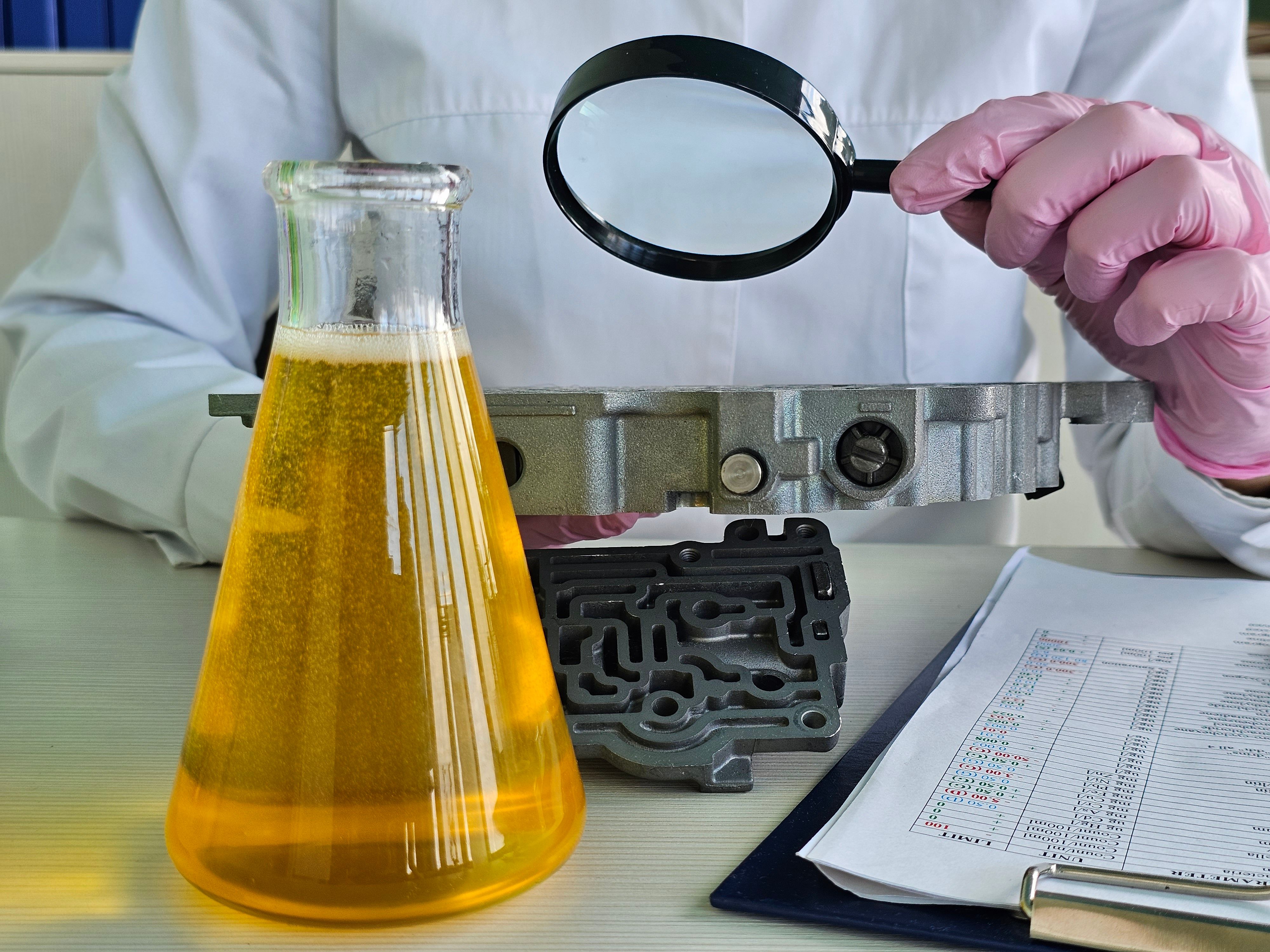
Certificate of Analysis (COA) for every batch shipped, showing active content, pH, density, and other key parameters.
SGS, Intertek, or equivalent third-party inspection reports, either pre-shipment or on request.
Safety Data Sheets (SDS/MSDS) compliant with GHS standards for your region.
Ask for sample COAs before placing your first order. Check whether the values are consistent across batches. A supplier who resists this request is a supplier to avoid.
✅ 2. Do They Understand Water Chemistry — Or Are They Just Reselling?
There is a fundamental difference between a chemical trader who reads a product brochure and a specialist who understands how chemistry interacts with real-world water systems.
Ask your potential supplier:
"My cooling water has high sulfate and moderate hardness. What corrosion and scale inhibitor formulation would you recommend?"
"I'm running an RO system with a silica concentration of 40 ppm. Which antiscalant is appropriate?"
"What's the difference between anionic and cationic PAM for my sludge dewatering application?"
A knowledgeable supplier will engage with your specific water chemistry data and provide reasoned recommendations. A pure trader will send you a product list and ask which one you want.
Technical credibility is a quality signal. If a supplier understands your process, they are invested in your success — and far less likely to ship substandard product.
✅ 3. Can They Handle Packaging and Logistics Professionally?
Water treatment chemicals include liquids (which can leak, freeze, or degrade), hygroscopic powders (which absorb moisture and clump), and corrosive substances (which require UN-certified packaging for international transport).
Evaluate your supplier on:
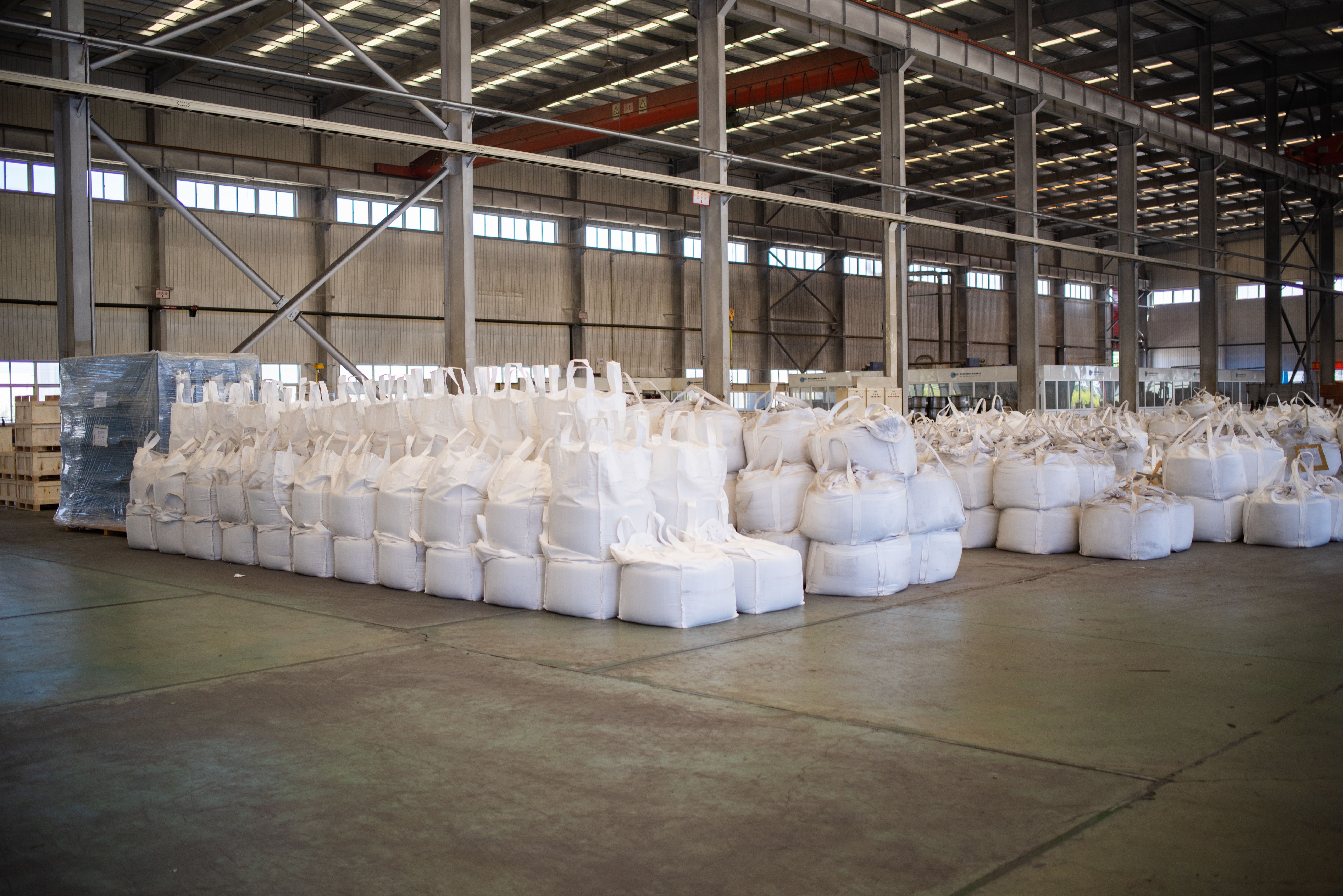
Packaging integrity: IBC tanks, lined woven bags, PE-lined drums — appropriate to the product and destination climate.
Hazmat compliance: Proper UN packaging codes, IMDG documentation for sea freight, and correct labeling for your country's customs requirements.
Logistics planning: Do they have relationships with reliable freight forwarders? Can they advise on HS codes and import documentation to prevent customs delays?
Poor packaging is not just a quality issue — it is a safety and compliance issue that can result in shipment rejection, fines, or environmental liability.
✅ 4. Are They Transparent About Their Supply Chain?
A trustworthy supplier is transparent about where and how products are manufactured. Key questions:
Do they manufacture in-house, or are they sourcing from partner factories?
Can they provide factory audit reports or invite third-party audits?
How do they handle batch traceability if a quality issue arises?
Transparency about the supply chain does not require a supplier to be a manufacturer — but it does require them to have deep, documented relationships with their production partners and the ability to enforce quality standards.
The Oneschem Solution: Sourcing Water Treatment Chemicals with Confidence
At Oneschem (www.oneschem.com), we built our business specifically to address the sourcing challenges described above — because we have heard these pain points directly from our international clients.
Here is what we do differently:
🔬 Strict QC on Every Shipment
We work with a carefully selected network of Chinese manufacturers who meet our quality benchmarks. Every batch is tested against COA specifications before it leaves the factory. For key products — including PAC (Polyaluminum Chloride), PAM (Polyacrylamide), RO Antiscalants, Corrosion & Scale Inhibitors, and Biocides — we maintain internal quality records and can provide full documentation upon request.