
How to Choose the Right Scale Inhibitor for Your Water Treatment Needs
ON
Understanding Scale Inhibitors
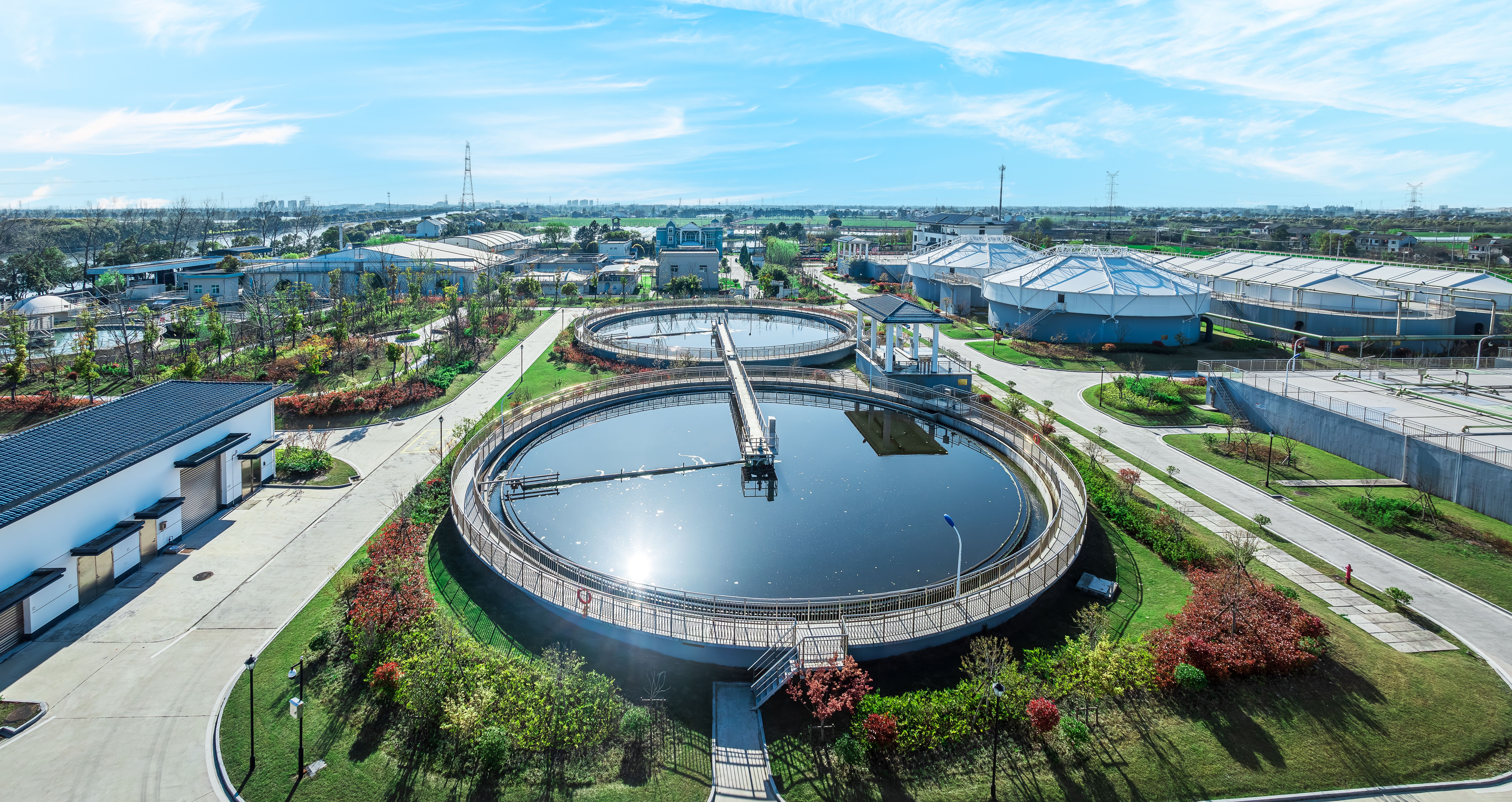
Scale inhibitors are crucial components in water treatment processes, designed to prevent the formation of mineral scales that can clog pipes and damage equipment. Choosing the right scale inhibitor depends on several factors, including water composition, system design, and specific treatment goals.
These additives work by interfering with the crystallization process of minerals, such as calcium carbonate and magnesium hydroxide, that form scales. By selecting the appropriate inhibitor, you can enhance system efficiency and reduce maintenance costs.
Types of Scale Inhibitors
Phosphate-Based Inhibitors
Phosphate-based inhibitors are among the most commonly used due to their effectiveness in preventing calcium scale formation. These inhibitors work well in various water conditions and are often used in cooling towers and boilers.
Polymer-Based Inhibitors
Polymer-based inhibitors are versatile and can be tailored to specific needs. They are effective against a range of scales and offer the advantage of being environmentally friendly compared to some other types.

Factors to Consider When Choosing a Scale Inhibitor
Water Composition
The composition of your water plays a significant role in determining which scale inhibitor will be most effective. It’s essential to conduct a thorough analysis of the water to understand its mineral content and pH levels.
System Design
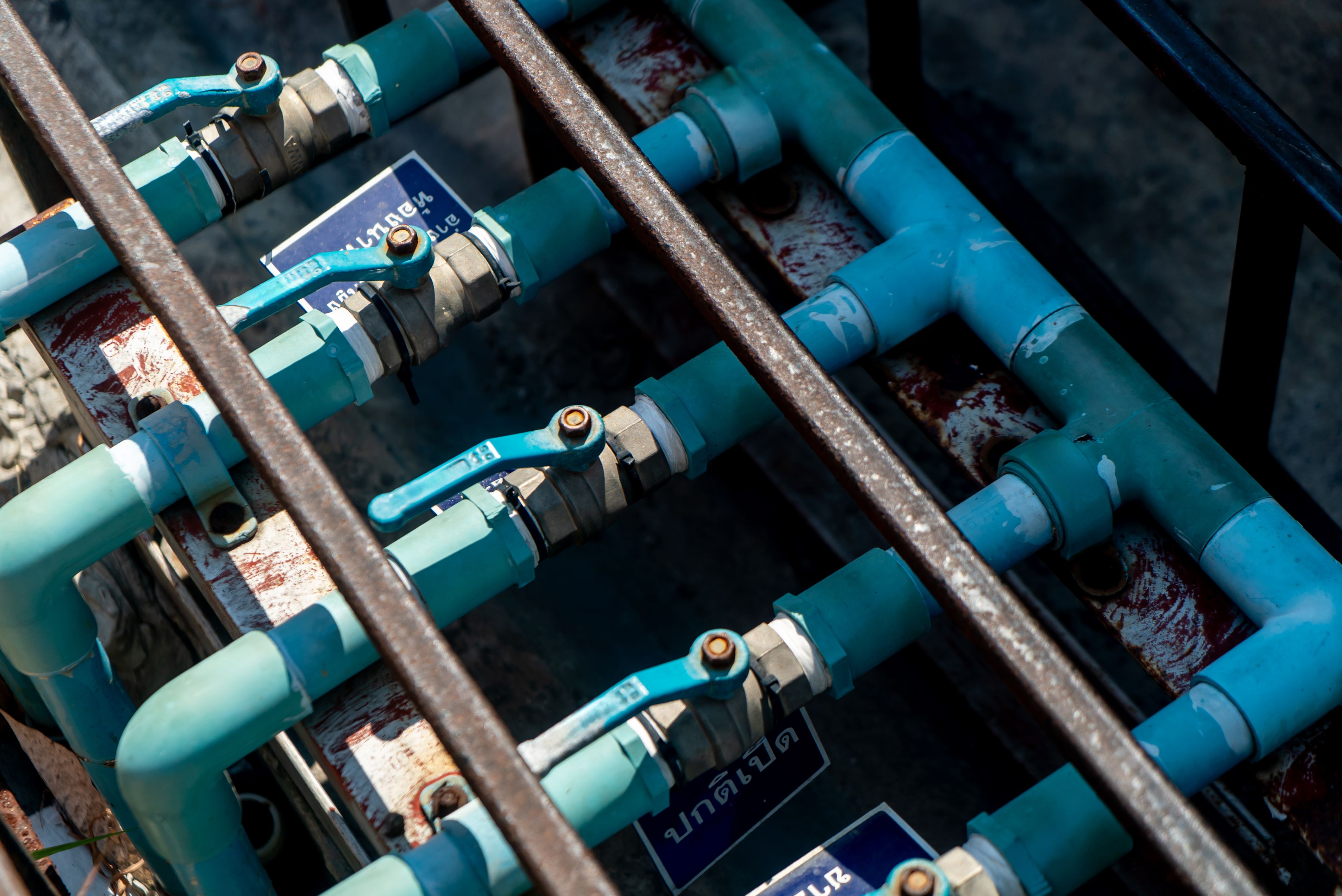
The design and operating conditions of your water system will also influence the choice of scale inhibitor. Consider factors such as temperature, pressure, and flow rate, as these can affect inhibitor performance.
Evaluating Performance and Compatibility
Once you have narrowed down the options based on the type and system requirements, it’s crucial to evaluate the performance and compatibility of the scale inhibitor. Conducting pilot tests can provide valuable insights into how the inhibitor behaves under actual operating conditions.
Additionally, ensure that the chosen inhibitor is compatible with other treatment chemicals used in your system to avoid adverse reactions that could compromise efficiency.
Environmental and Regulatory Considerations
In today’s regulatory environment, it’s important to choose scale inhibitors that comply with local and international environmental standards. Opting for inhibitors that are biodegradable or have minimal environmental impact can help in maintaining compliance and promoting sustainability.
By considering these factors, you can select the right scale inhibitor that not only meets your water treatment needs but also aligns with environmental goals.