
How to Choose PAM for Sludge Dewatering?


Choosing the right polyacrylamide (PAM) for sludge dewatering is one of the most important decisions in wastewater treatment. The correct grade can dramatically improve cake dryness, reduce disposal costs, and stabilize your dewatering process. The wrong grade wastes chemical, creates sticky sludge, and increases operating cost.
In this guide, we explain how to choose PAM for sludge dewatering, step by step—based on sludge type, charge density, molecular weight, and practical testing. We also show how to Identify PAM quality, evaluate polyacrylamide solubility, and understand PAM physical properties that affect performance.
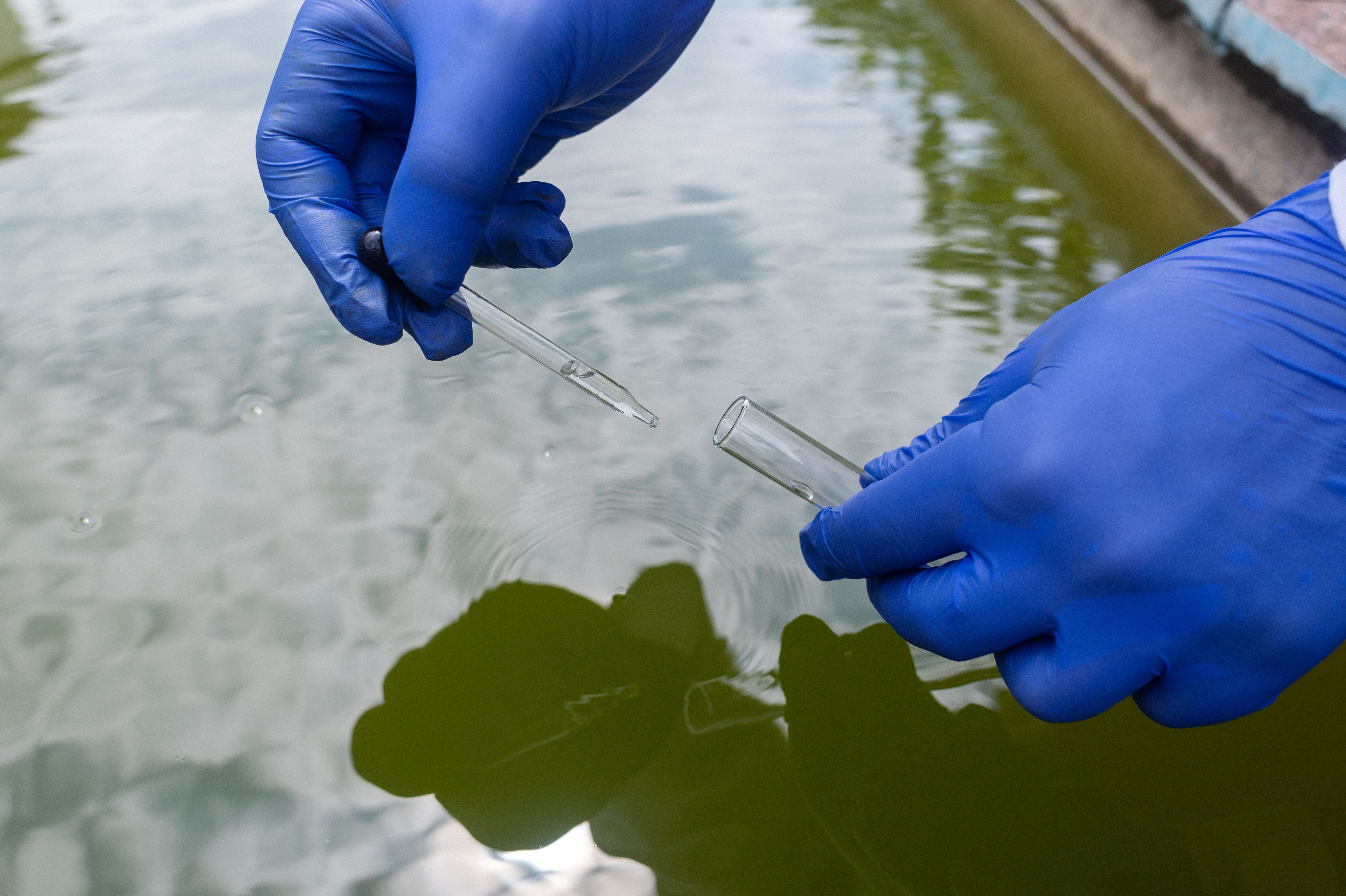
1. Understand Your Sludge Type First
Different sludge types respond to different PAM charges:
- Primary sludge (raw) → often works with cationic PAM (medium/high charge)
- Biological sludge → usually needs higher cationic charge
- Industrial sludge (paper, textile, dyeing) → may require anionic or nonionic PAM, depending on pH and contaminants
- Oily sludge → often needs cationic PAM with higher molecular weight
Key tip: There is no “one-size-fits-all” PAM. Always select based on sludge characteristics, not just price.
2. Choose the Right Charge Type and Density
PAM is classified by charge:
- Cationic PAM (CPAM) – positive charge
- Anionic PAM (APAM) – negative charge
- Nonionic PAM (NPAM) – neutral
For sludge dewatering, cationic PAM is most commonly used because most sludge particles are negatively charged.
How to choose charge density:
- Low charge (10–20%) → good for oily or mineral sludge
- Medium charge (30–50%) → common for municipal wastewater
- High charge (60–80%) → best for biological sludge with high organic content

3. Consider Molecular Weight (MW)
Molecular weight affects floc size and strength:
- Low MW (5–8 million) → faster mixing, smaller flocs
- Medium MW (8–12 million) → balanced performance
- High MW (12–20 million) → strong bridging, larger flocs
For sludge dewatering, medium to high MW is often preferred to create large, strong flocs that release water efficiently.
4. Evaluate PAM Physical Properties
- Before buying in bulk, check key PAM physical properties, such as:
- Appearance: Uniform white granules or powder
- Bulk density: Consistent density improves dosing
- Particle size: Fine particles dissolve faster but may create dust
- Moisture content: Lower moisture = more active polymer
These properties influence handling, storage, and performance consistency.
5. Polyacrylamide Solubility Matters
Good polyacrylamide solubility is crucial for efficient application. Poor solubility leads to fish-eyes (undissolved clumps), wasted polymer, and unstable dosing.
How to check solubility:
- Add PAM slowly into water (not water into PAM)
- Stir at 200–400 rpm
- Complete dissolution should occur within 30–60 minutes
- No visible clumps or floating particles
If your PAM takes too long to dissolve or leaves residue, it may indicate lower quality.
6. Identify PAM Quality Before Purchase
Not all PAM products are equal—even if the label looks the same. To Identify PAM quality, consider:
- Solid content (%): Higher active content = better efficiency
- Dissolution time: Shorter dissolution = better performance
- Viscosity at standard concentration: Higher viscosity often indicates higher MW
- Performance in jar test: Always the most reliable method
A quality PAM produces clear supernatant, large flocs, and firm sludge cake with minimal dosage.
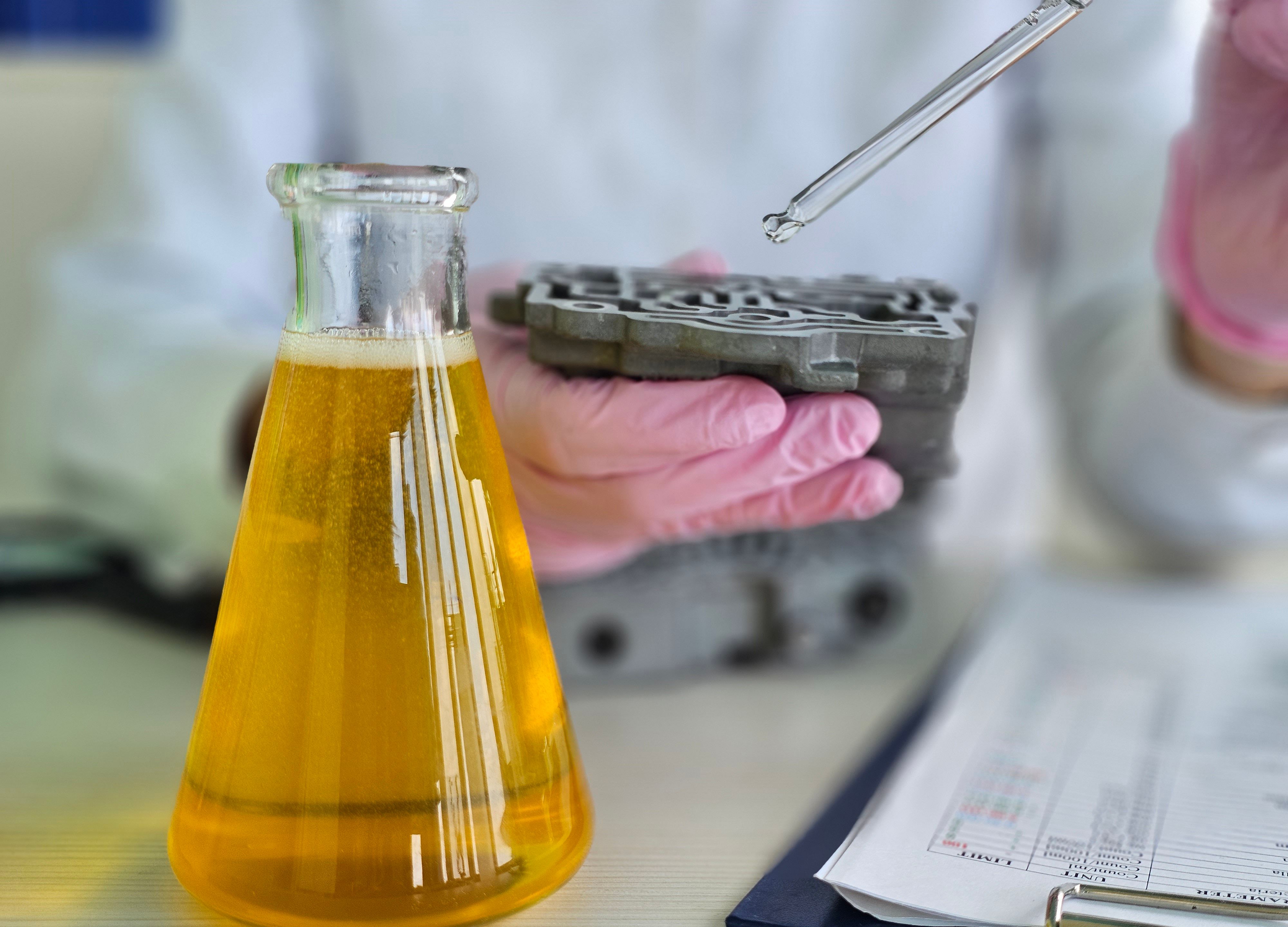
7. Always Do a Jar Test (Lab Evaluation)
A jar test is the safest way to confirm the best PAM grade for your sludge.
Basic jar test steps:
- Prepare 0.1% PAM solution
- Mix sludge sample in beakers
- Add different PAM types and dosages
- Observe floc size, settling speed, clarity
- Select the best-performing grade
A supplier like OneSchem can assist with free sample testing and recommend the best PAM model based on your sludge sample.
8. Dosage Is Not the Same for Every Plant
Even with the correct PAM, dosage depends on:
- Sludge concentration
- Temperature
- pH
- Equipment type (belt press, centrifuge, filter press)
Typical dosage for sludge dewatering ranges from 1–5 kg per ton dry sludge, but optimization is always needed
9. Common Mistakes When Choosing PAM
Avoid these frequent errors:
✅ Selecting PAM only based on price
✅ Ignoring solubility and quality checks
✅ Skipping lab testing
✅ Using the same PAM for different sludge types
✅ Overdosing (causes sticky sludge and clogged filters)
Final Thoughts
Choosing the right PAM for sludge dewatering requires more than just picking a product name. You need to evaluate sludge characteristics, understand charge density and molecular weight, and always check PAM physical properties, polyacrylamide solubility, and Identify PAM quality through real testing.
At Oneschem, we provide multiple grades of cationic, anionic, and nonionic PAM and offer technical support to help you select the best solution for your dewatering process.
👉 Need help selecting the best PAM for your sludge?
Contact Oneschem today for a free sample and professional recommendation.