
High-Silica RO Antiscalant Programs for Gulf Brackish Water: Preventing Silica Scale at High Recovery
ON
Municipal utilities, industrial facilities, resorts, agriculture projects, and oil-and-gas operations across Saudi Arabia, the UAE, and Oman increasingly rely on brackish water reverse osmosis (BWRO) to secure dependable water supplies. Yet groundwater in many Gulf locations presents an unusually difficult treatment challenge: high salinity combined with high hardness, elevated alkalinity, silica, and sometimes iron or manganese.
For these facilities, increasing RO recovery is often essential. Every additional percentage point of recovery can reduce brine disposal volume, lower feedwater demand, and improve overall water economics. However, higher recovery also concentrates dissolved minerals on the reject side of the membrane system. Without the right RO membrane antiscalant program, calcium carbonate, calcium sulfate, metal oxides, and silica-related deposits can rapidly reduce permeate flow and increase operating pressure.
A specialized silica scale inhibitor, supported by correct system design and feedwater monitoring, is one of the most important tools for maintaining stable high-recovery BWRO performance in the Gulf region.
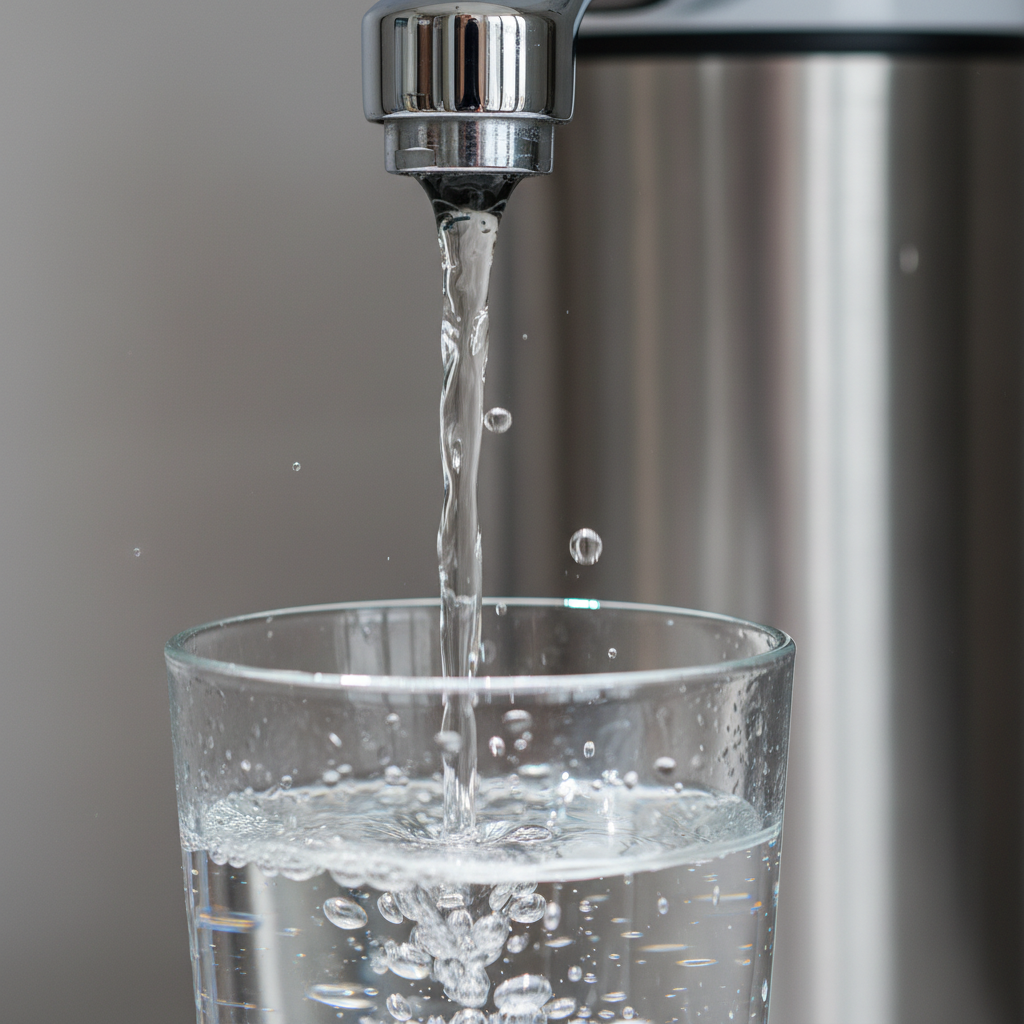
Why Gulf Brackish Water Projects Target High RO Recovery
In Saudi Arabia, the UAE, and Oman, fresh water is scarce and brine management is costly. Many inland BWRO facilities treat groundwater rather than seawater, and these sites may have limited options for concentrate disposal. Maximizing recovery reduces the volume of reject water that must be discharged, evaporated, reinjected, or transported.
For industrial operators, higher recovery can also reduce the cost of raw-water abstraction, storage, pumping, and downstream wastewater handling. This creates a strong incentive to operate BWRO systems at aggressive recovery rates.
But recovery cannot be increased indefinitely. As water passes through the RO membranes, salts and suspended contaminants become concentrated in the concentrate stream. If mineral saturation limits are exceeded, deposits form on membrane surfaces, feed spacers, piping, and pressure vessels.
In high silica brackish water treatment in Saudi Arabia, the practical recovery limit is frequently determined not only by calcium carbonate saturation but also by silica concentration, hardness, alkalinity, and the interaction between these contaminants.
The Complex Scaling Mechanism: Silica, Hardness, and Alkalinity
Silica scaling is fundamentally different from ordinary calcium carbonate scaling. Calcium carbonate can often be predicted using Langelier Saturation Index (LSI), calcium concentration, alkalinity, pH, and temperature. Silica, however, may exist as reactive dissolved silica, polymerized silica, colloidal silica, or silica bound with metal ions.
At higher recovery, reactive silica becomes concentrated in the RO concentrate. When concentration rises beyond its solubility limit, silica can polymerize and form sticky deposits. These deposits may be glass-like, gelatinous, or mixed with clay, organics, iron, aluminum, calcium, and magnesium.
This creates several serious problems:
- Silica deposits can be difficult to dissolve during normal CIP cleaning.
- Colloidal silica can block membrane feed channels and increase differential pressure.
- Iron and manganese oxides can provide surfaces for silica attachment.
- Calcium and magnesium can form mixed mineral deposits with silica.
- High alkalinity and elevated pH may increase calcium carbonate precipitation risk at the same time.
As a result, Gulf BWRO systems can suffer from mixed fouling rather than a single pure mineral scale. Operators may see declining normalized permeate flow, increasing pressure drop, higher feed pressure, and reduced salt rejection. If cleaning is delayed, silica-rich deposits can become increasingly irreversible.

Why Standard Calcium Carbonate Antiscalants Are Not Enough
Many conventional RO antiscalants are designed primarily to control calcium carbonate at moderate recovery. These products may provide acceptable threshold inhibition for CaCO₃, but they are not always designed to disperse colloidal silica or manage high-silica, high-hardness feedwater.
A standard carbonate-focused antiscalant may fail when:
- Concentrate silica rises near or above safe operating limits.
- Feedwater contains iron, manganese, aluminum, or suspended clay.
- The system operates at high recovery with elevated concentrate salinity.
- Calcium carbonate and silica scale form together.
- Pretreatment performance fluctuates due to changing well-water quality.
For this reason, selecting an RO antiscalant UAE or Saudi Arabia project requires more than checking a generic calcium carbonate saturation value. A detailed feedwater analysis should include total silica, reactive silica, calcium, magnesium, alkalinity, sulfate, iron, manganese, aluminum, pH, temperature, turbidity, SDI, and expected RO recovery.
How High-Silica RO Membrane Antiscalants Work
A specialized high-silica RO membrane antiscalant is formulated to address multiple scale risks at once. Depending on the specific formulation, its performance may include dispersancy, threshold inhibition, crystal modification, and metal-ion control.
Dispersing Colloidal Silica
Silica scale inhibitors can help keep fine silica particles and colloids dispersed, reducing the chance that they agglomerate and deposit onto membrane surfaces. This is especially important where silica is already partially polymerized or where upstream clarification is inconsistent.
Threshold Inhibition
At low dosage, advanced antiscalant polymers can interfere with the early stages of scale formation. By delaying nucleation, they help keep certain minerals in solution even when the concentrate becomes supersaturated.
Crystal Distortion
For calcium carbonate and some sulfate salts, antiscalants can adsorb onto active crystal growth sites. This changes the normal crystal structure, creating weaker or more distorted particles that are less likely to adhere firmly to the membrane surface.
Managing Mixed Mineral Fouling
High-silica BWRO systems often need an antiscalant that controls more than one mineral. The ideal formulation should provide effective calcium carbonate inhibition while also offering silica dispersancy and tolerance to iron or aluminum contamination. This is particularly important for high recovery BWRO scaling control in inland Gulf facilities.
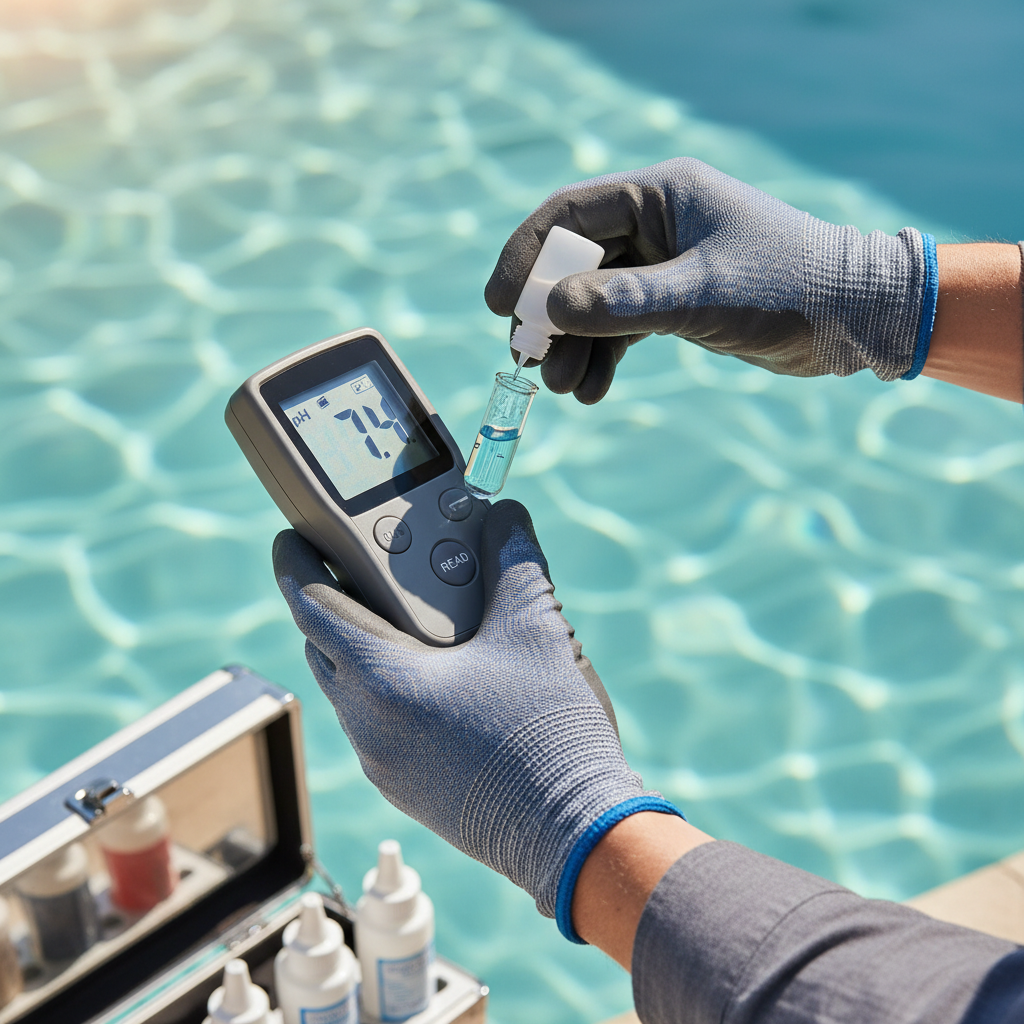
Determining Antiscalant Dosage: Recovery, pH, LSI, and Concentrate Silica
Antiscalant dosage should never be selected using a universal fixed number. The proper dose depends on site-specific feedwater chemistry and operating conditions.
Important parameters include:
- RO recovery rate: Higher recovery concentrates silica and hardness more aggressively.
- Feedwater pH: pH strongly affects carbonate scaling potential and influences silica chemistry.
- LSI and carbonate saturation: High LSI indicates elevated calcium carbonate risk.
- Concentrate silica concentration: This is critical for determining whether silica control limits recovery.
- Calcium, magnesium, sulfate, barium, and strontium: These determine additional mineral scaling risks.
- Iron, manganese, and aluminum: These metals can intensify mixed scale formation.
- Temperature: Higher temperature can change solubility and reaction behavior.
Water chemistry should be evaluated using RO projection software or a detailed scaling model. The calculation should estimate concentrate conditions at the intended recovery rate rather than considering feedwater values alone.
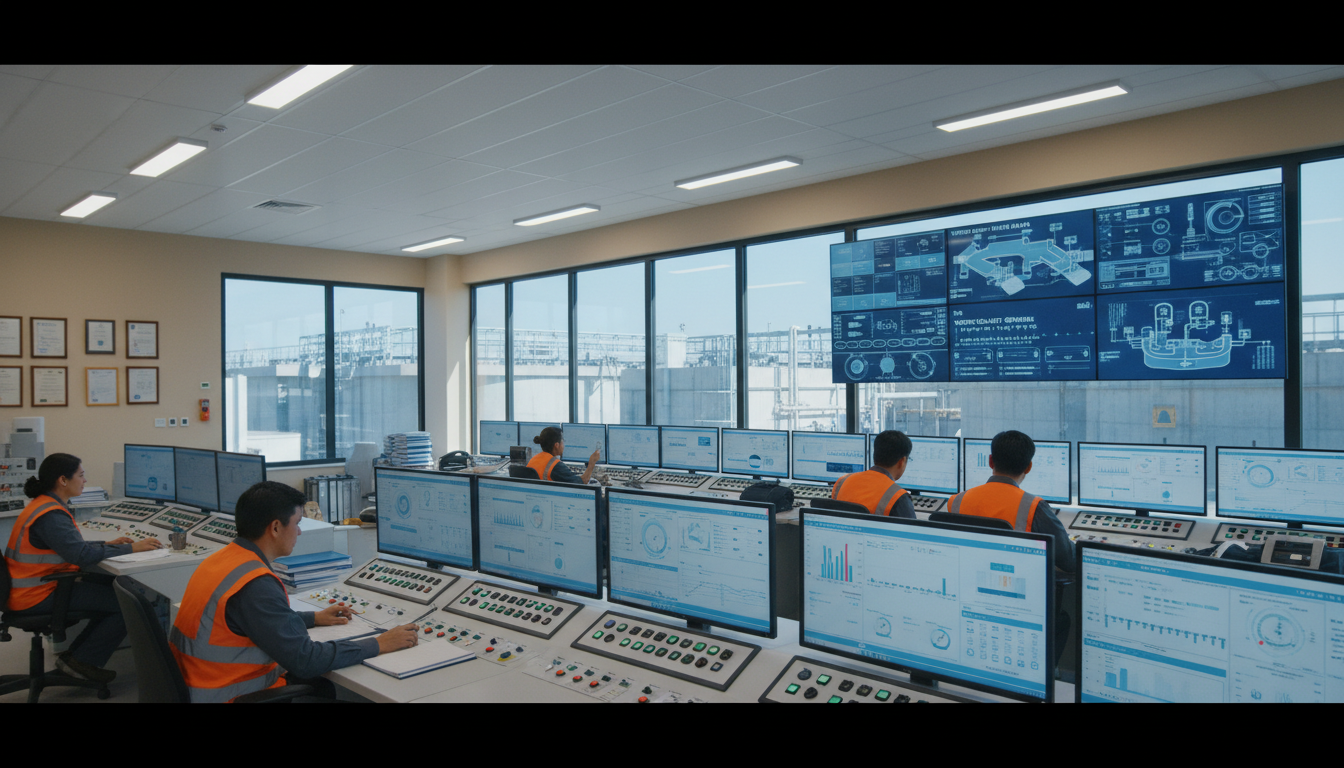
Field data also matters. Operators should monitor normalized permeate flow, normalized salt passage, differential pressure, antiscalant dosing rate, feed pH, conductivity, and concentrate chemistry. These records help identify whether scaling is beginning before serious performance loss occurs.
When Pretreatment Is Necessary
Even the best silica scale inhibitor has limits. When feedwater silica or hardness is exceptionally high, chemical dosing alone may not provide safe, reliable operation at the desired recovery.
Additional pretreatment should be considered when:
- Silica concentration exceeds practical antiscalant control limits.
- Iron or manganese regularly enters the RO feed.
- Feedwater turbidity or SDI is unstable.
- High hardness creates excessive calcium carbonate or sulfate scaling risk.
- The target recovery is beyond the safe membrane operating envelope.
Possible pretreatment upgrades include lime softening, ion exchange softening, coagulation and clarification using PAC, PFS, or PAFC, multimedia filtration, ultrafiltration, iron removal, manganese removal, or specialized silica reduction technologies. In some cases, reducing recovery slightly may be more economical than frequent cleaning, high chemical consumption, and premature membrane replacement.
Protect High-Recovery BWRO Performance in the Gulf
For Saudi Arabia, the UAE, and Oman, successful brackish water desalination requires a strategy built around real feedwater chemistry—not a generic antiscalant dosage. High silica, high hardness, and high alkalinity create a complex scaling environment that demands specialized control.
A high-performance RO membrane antiscalant designed for silica dispersion and mixed mineral scale control can help protect membrane productivity, reduce CIP frequency, and support higher recovery. When combined with appropriate pretreatment and continuous performance monitoring, it can significantly improve the reliability of Gulf brackish-water RO systems.
Contact Oneschem to request a high-silica BWRO antiscalant selection, concentrate scaling prediction, and site-specific chemical dosing recommendation for your Saudi Arabia, UAE, or Oman RO facility.