
Hard Water Resistance in AFFF: A Practical Guide for African Foam Concentrate Producers
ON
Across Africa, industrial fire protection systems rarely have the luxury of using soft, conditioned municipal water. Inland mining operations, fuel depots, power plants, and manufacturing hubs routinely draw firewater from deep boreholes, rivers, or brackish reservoirs rich in dissolved minerals. Meanwhile, coastal terminals often rely on seawater or high-salinity estuarine water.
For regional manufacturers blending firefighting concentrates, a formula that performs well in laboratory deionized water can fail in the field when mixed with local borehole water. Producing hard water resistant AFFF requires a practical understanding of water chemistry, divalent ion interactions, and surfactant balance.
Why Hard Water Causes Foam Performance Problems
Water hardness is primarily driven by dissolved divalent cations—specifically calcium (Ca2+) and magnesium (Mg2+)—alongside variable levels of bicarbonates, sulfates, chlorides, and iron. In many African groundwater systems, total hardness regularly exceeds 300 to 500 ppm (as CaCO3), and can climb much higher in arid or mining regions.
When a standard 1%, 3%, or 6% AFFF concentrate is proportioned into hard water, the sudden influx of multivalent ions alters the solubility and surface activity of the surfactant package. Instead of migrating rapidly to the air-water and fuel-water interfaces, vulnerable surfactants are tied up in solution, leading to weak foam blankets, rapid liquid drainage, and slower fire knockdown.
Effects of Calcium and Magnesium Ions on Surfactant Systems
From a water-treatment and colloid chemistry perspective, Ca2+ and Mg2+ disrupt foam systems through three main mechanisms:
- Insoluble salt precipitation: Traditional anionic hydrocarbon surfactants (such as certain alkyl sulfates or sulfonates) react directly with Ca2+ and Mg2+ to form insoluble calcium and magnesium precipitates. This strips active foaming agents from the water and creates turbidity or scale that can clog nozzles.
- Compression of the electrical double layer: Divalent ions carry twice the charge of sodium ions, strongly compressing the electrostatic repulsion between surfactant headgroups at the bubble wall (lamella). This thins the liquid film and reduces bubble elasticity.
- Disruption of AR-AFFF polymers: In alcohol-resistant foams, high levels of divalent cations can cross-link or coil high-molecular-weight polysaccharides prematurely, altering solution viscosity and weakening the protective polymeric membrane on polar fuels.
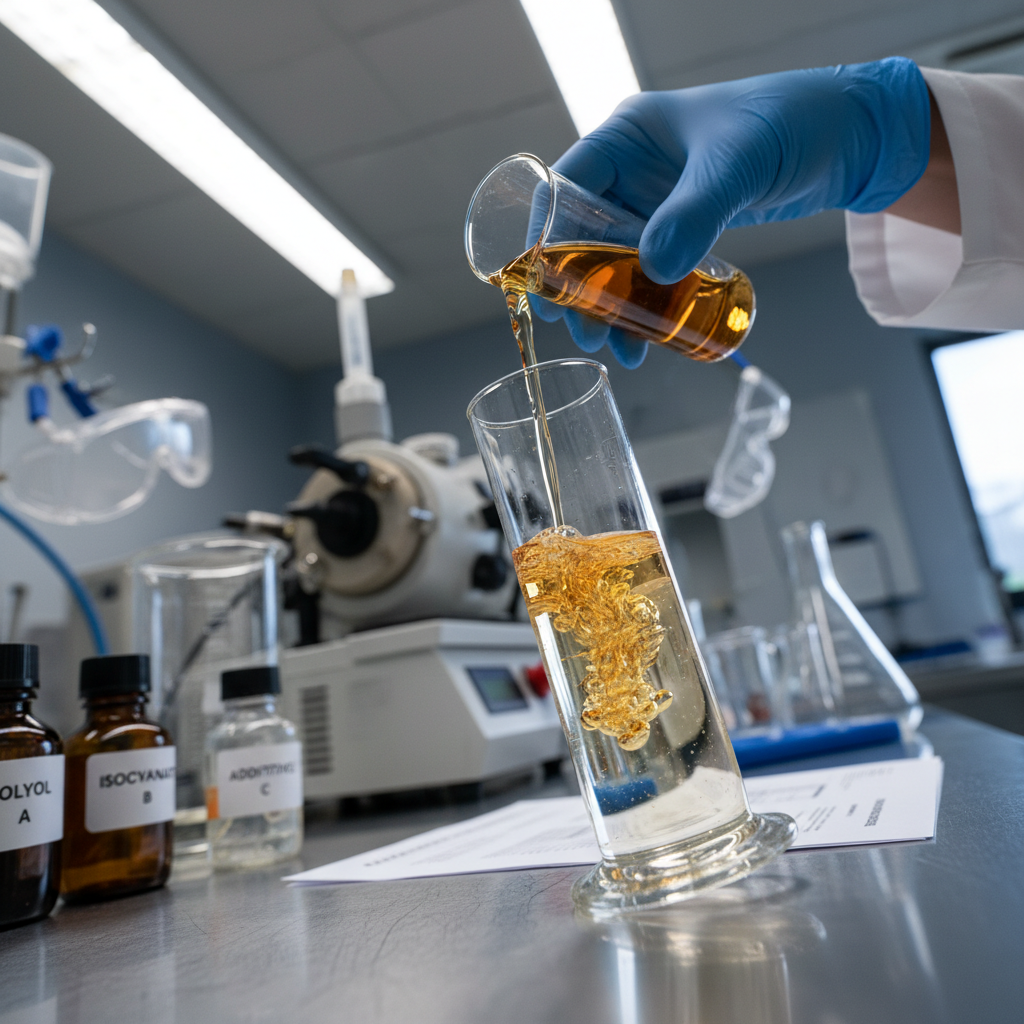
How Fluorosurfactants Support Foam Spreading and Stability
While hydrocarbon surfactants provide the bulk foam volume and bubble structure, a specialized fluorosurfactant for firefighting foam drives the ultra-low aqueous surface tension (15–18 mN/m) needed to form a vapor-sealing aqueous film across hydrocarbon fuels.
High-performance amphoteric (zwitterionic) fluorosurfactants are inherently more tolerant of hard water than conventional anionic surfactants because their dual-charge structure resists precipitation with Ca2+ and Mg2+. However, the fluorosurfactant cannot work in isolation. It relies on synergistic mixed micelles formed with hydrocarbon co-surfactants to lowers interfacial tension against fuels like diesel, jet fuel, or heptane. If hard water precipitates the hydrocarbon co-surfactant, it drags the fluorosurfactant out of its optimal operating window and stalls film formation.
Formulation Strategies for Hard-Water-Compatible AFFF
Building a practical AFFF formulation guide for hard-water resilience starts with designing the entire surfactant and additive matrix around electrolyte stability:
- Select divalent-tolerant co-surfactants: Replace hard-water-sensitive anionics with amphoteric surfactants (such as cocamidopropyl betaine, sultaines, or amine oxides) and alkyl polyglucosides (APGs). These nonionic and amphoteric systems maintain strong foaming and clarity across high hardness ranges.
- Incorporate chelating and sequestering agents: Adding compatible chelators (such as EDTA salts, GLDA, or MGDA) or builders helps bind free Ca2+, Mg2+, and Fe3+ ions upon dilution, protecting the surfactant system.
- Balance glycol ethers and hydrotropes: Butyl carbitol (diethylene glycol monobutyl ether) or hexylene glycol not only stabilize foam expansion and refractive index, but also help maintain micelle solubility in mineral-rich water.
- Use deionized water in concentrate production: Never use untreated factory borehole or tap water to blend AFFF concentrates. Pre-loading the drum with hardness ions reduces shelf life and causes sediment during hot warehouse storage.
Testing Methods for Local Water Conditions
To guarantee field reliability, quality control laboratories should test beyond standard deionized or municipal tap water:
- Synthetic hard and brackish water panels: Prepare test waters at 300 ppm, 500 ppm, and 1,000 ppm CaCO3\text{CaCO}_3CaCO3 equivalent (mixing calcium chloride and magnesium sulfate), alongside synthetic seawater (ASTM D1141).
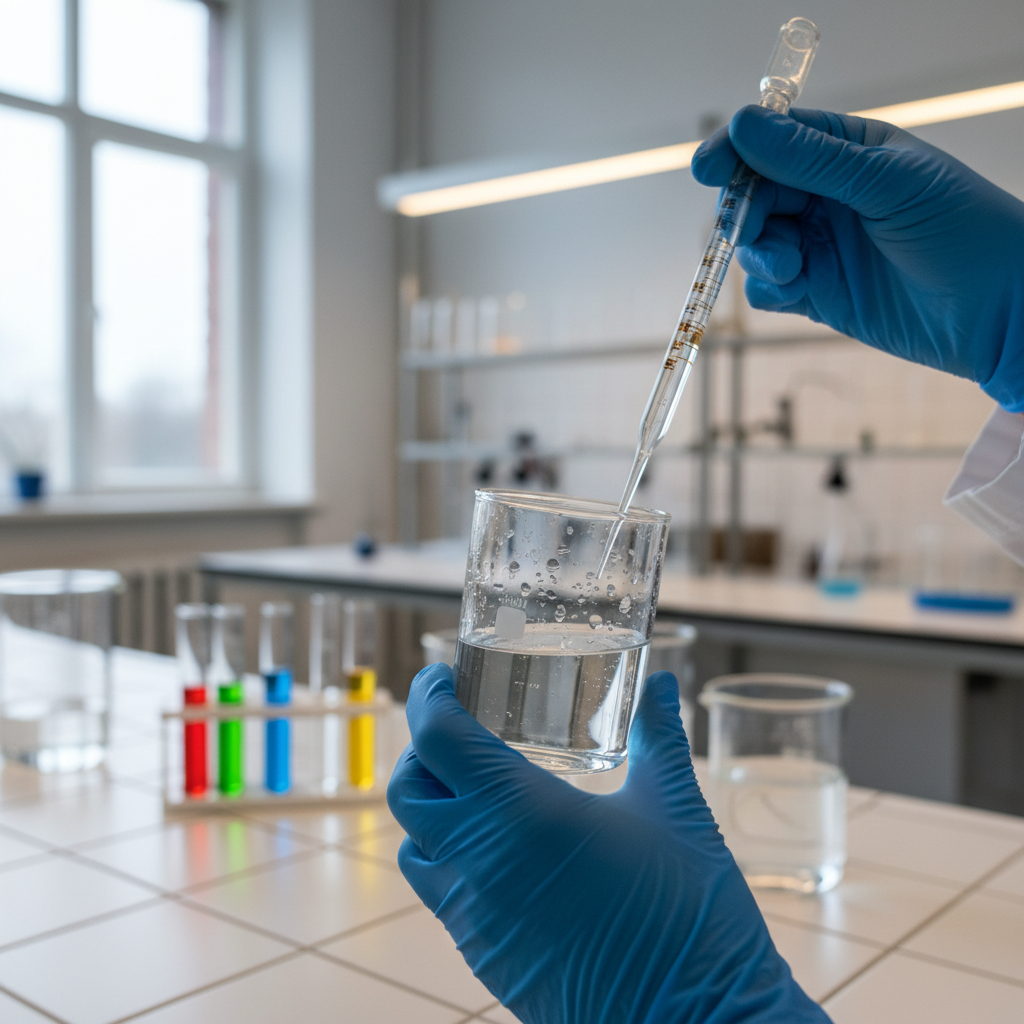
- Dilution clarity and stability check: Dilute the concentrate at 3% or 6% in hard water and inspect at 0, 1, and 24 hours for cloudiness, flocculation, or bottom sediment.
- Surface and interfacial tension: Measure diluted hard-water solutions on a tensiometer to confirm the spreading coefficient remains positive on cyclohexane or heptane.
- Expansion and 25% drainage time: Run standard laboratory foam generation tests comparing freshwater and hard-water dilutions side by side.
Troubleshooting Low Expansion and Poor Drainage Performance
When a batch shows poor performance in hard water, use these diagnostic steps:
- Hazy dilution + low expansion: Indicates calcium/magnesium precipitation with an anionic surfactant. Increase the ratio of amphoteric/APG co-surfactants or adjust chelator dosage.
- Good expansion + fast 25% drainage (dry, brittle foam): Bubble lamellae lack elasticity under high ionic strength. Optimize the ratio of lauryl/myristyl betaines, foam stabilizers (such as fatty alcohols), and glycol solvents.
- Good foam volume + poor fuel sealing/burnback: The hydrocarbon foamers are working, but interfacial tension is too high. Check fluorosurfactant active dosage or verify that co-surfactant shifts haven't raised fuel-water interfacial tension.
Choosing Raw Materials for Reliable Field Performance
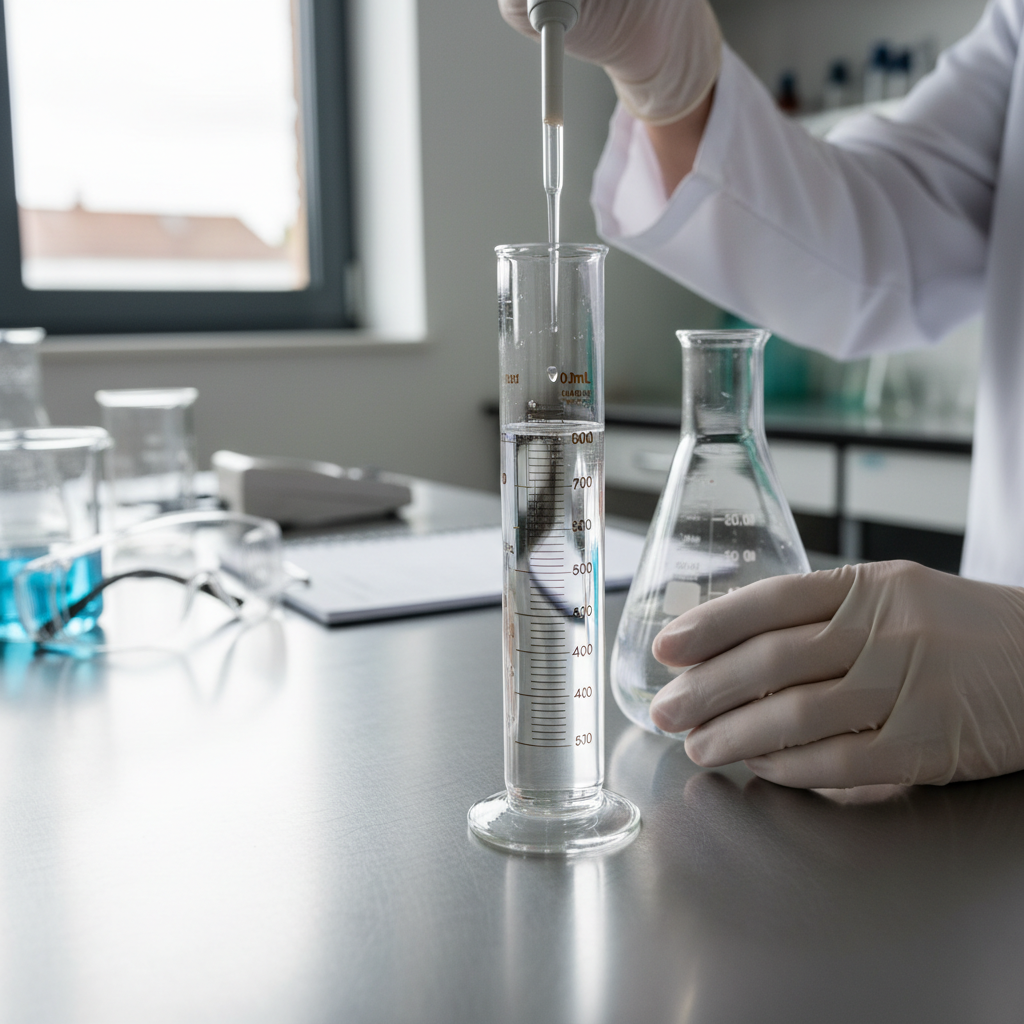
Consistent field performance in diverse African water conditions starts with raw materials engineered for high electrolyte tolerance. Selecting a fluorosurfactant with proven stability alongside amphoteric and nonionic co-surfactants eliminates the most common failure points in hard and brackish firewater systems.
ONESCHEM supplies specialized fluorosurfactants designed for high-stability AFFF and AR-AFFF formulations in hard water, brackish water, and seawater environments. Contact our technical team to request product samples, TDS, SDS, COA, or customized formulation assistance for your local water conditions.