
From Chemical Dosing to Remote Monitoring: Building a Smarter RO Chemical Management Program for Remote Water Plants
ON
Reverse osmosis (RO) plants operating in remote locations face operational realities that urban facilities rarely encounter. Whether supplying potable water in rural Africa, process water for mining camps in Central Asia and South America, desalinated water in the Middle East, or utility water in Southeast Asian industrial parks, remote systems often run with limited on-site specialist staff and long supply chains.
Under these conditions, even high-quality RO membrane chemicals can fail to deliver results if dosing is inconsistent or membrane fouling goes unnoticed. Pairing a reliable RO antiscalant dosing system with basic remote monitoring transforms chemical management from reactive troubleshooting into predictable, low-risk operation.
Why Remote RO Plants Struggle with Dosing and Cleaning Delays
In isolated operations, minor operational drift can quickly become a major membrane failure. Common field challenges include:
- Under-dosing: Caused by air-locked dosing pumps, clogged injection quills, empty day tanks, or sudden increases in raw-water flow or salinity. Even short periods of antiscalant under-dosing can initiate irreversible mineral scaling in the tail-end elements.
- Over-dosing: Often occurs when operators set pumps to a high "safety" setting and leave them fixed. Excess antiscalant or coagulant wastes chemical inventory and can actually promote organic or bio-fouling on membrane surfaces.
- Delayed CIP (Clean-in-Place): Without regular data normalization, operators may not notice gradual fouling until permeate output drops sharply or differential pressure exceeds mechanical limits—by which time deposits have hardened and become difficult to remove.
Key Online Indicators for Antiscalants, Biocides, and Dechlorination
Effective remote RO plant monitoring does not require overly complex laboratory instruments, but it does require reliable online tracking of the parameters that govern chemical performance:
- Antiscalant Control: Monitor raw-water flow rate, feed conductivity, pH, temperature, and recovery rate. Dosing tank level sensors and calibration columns verify that the chemical is actually entering the line.
- Dechlorination (Sodium Metabisulfite / SMBS): Thin-film composite (TFC) membranes have near-zero tolerance for free chlorine. ContinuousOxidation-Reduction Potential (ORP) monitoring after the SMBS injection point—along with high-alarm interlocks that shut down the high-pressure pump if ORP spikes—is essential to prevent membrane oxidation.
- Biocide Dosing: Non-oxidizing biocides (applied continuously or via shock dosing) should be tracked alongside feedwater temperature, cartridge filter pressure drop, and stage-one differential pressure, which often gives the earliest warning of biological growth.
Flow-Paced Dosing vs. Manual Fixed Dosing
Manual fixed dosing assumes that plant flow and feedwater quality never change. In reality, well pumps cycle, storage tanks top off, and seasonal water chemistry shifts.
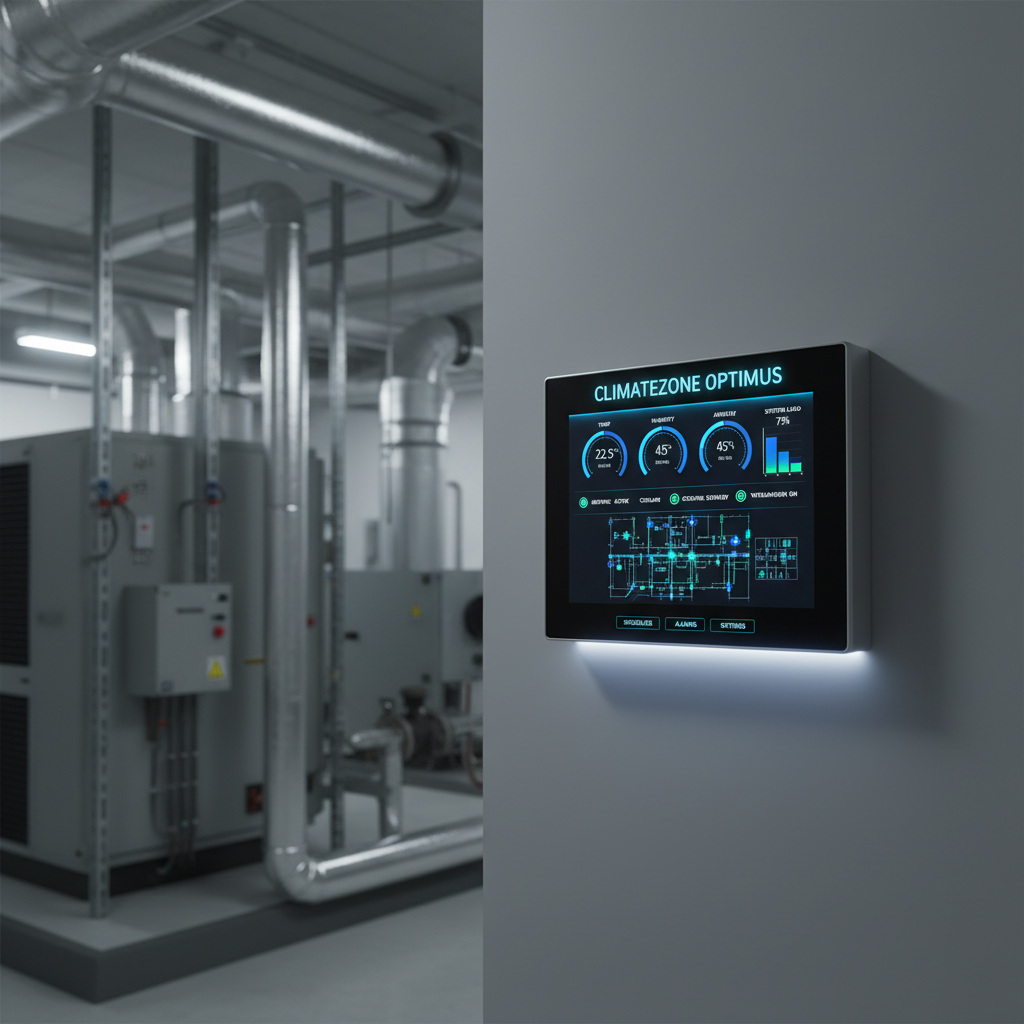
Implementing automatic chemical dosing desalination controls—at minimum, flow-paced dosing where the metering pump strokes or speed adjust proportionally to the feed flow meter—prevents chemical starvation during peak flow and eliminates chemical waste during turndown or standby modes. Adding a simple flow verification sensor on the chemical discharge line ensures the control room knows immediately if a pump loses prime.
Using Normalized Data to Diagnose Membrane Fouling Early
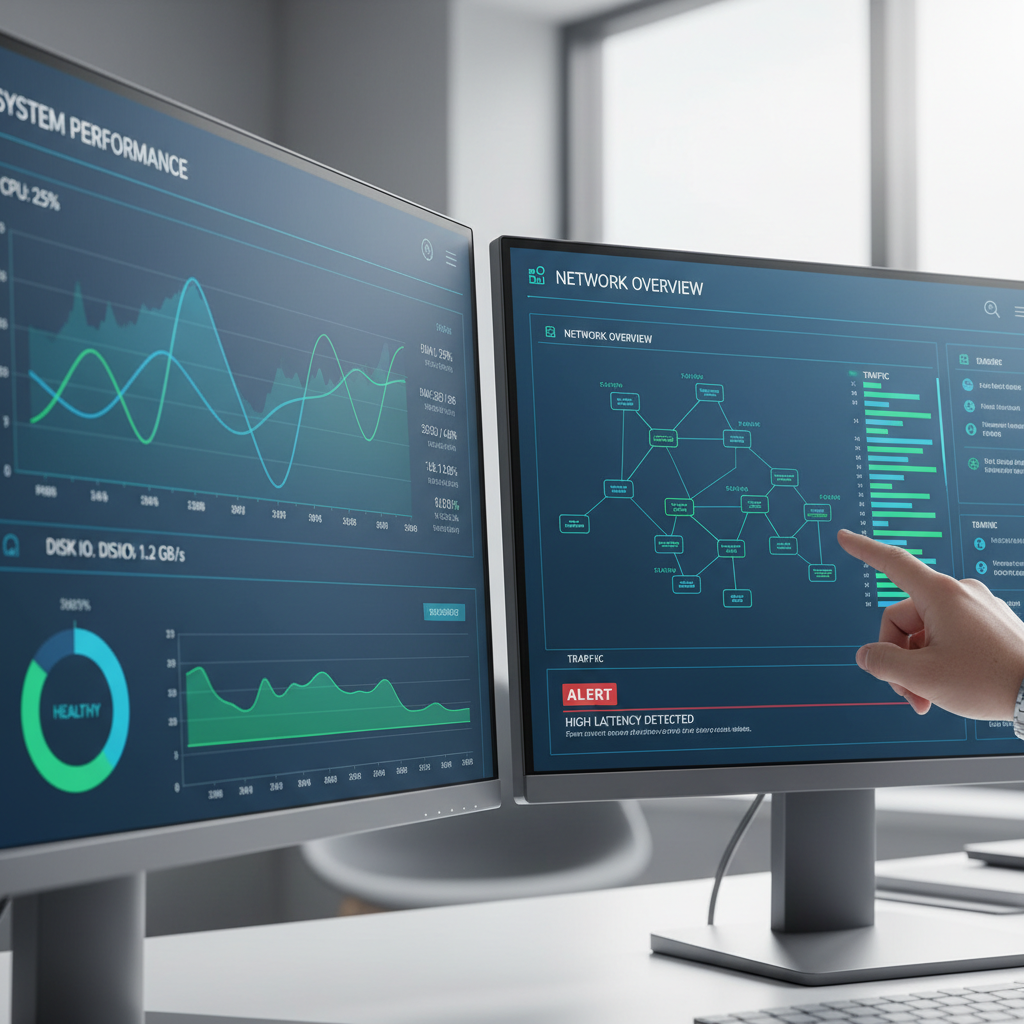
Raw operating numbers can be misleading because water temperature and feed salinity change daily. For example, cold water naturally requires higher pressure, which can mask—or mimic—fouling. Remote systems should automatically calculate three normalized indicators:
- Normalized Permeate Flow (NPF): A steady decline usually indicates surface fouling or scaling blocking water passage.
- Differential Pressure (ΔP) Across Stages: Rising ΔP in the first stage typically points to particulate or bio-fouling; rising ΔP in the final stage usually signals mineral scaling.
- Normalized Salt Passage / Conductivity: An increase in permeate conductivity alongside stable pressure may indicate membrane oxidation (from dechlorination failure) or O-ring leaks.
Setting Clear CIP Trigger Thresholds
To avoid cleaning too early (which wastes chemicals and shortens membrane life through repeated pH stress) or cleaning too late (when deposits are permanent), plants should standardize RO CIP optimization triggers. Industry-standard thresholds occur when any of the following change by 10% to 15% from the baseline established after commissioning or the last successful clean:
- Normalized permeate flow drops by 10–15%
- Normalized salt passage increases by 10–15%
- Normalized stage differential pressure increases by 15%
Automated alerts tied to these thresholds give remote teams time to schedule Acid CIP (for inorganic scales and metal oxides) or Alkaline CIP (for organics, silt, and biofilm) during planned maintenance windows.
Chemical Inventory, Storage Stability, and Remote Technical Support
For remote mines and desert stations, logistics are as critical as chemistry:
- Storage Stability: Ambient temperatures in the Middle East, Africa, or Outback-style mining zones can exceed 45°C, while high-altitude Andean or Central Asian sites face freezing conditions. Selecting concentrated, thermally stable formulations prevents active-ingredient degradation and reduces freight costs.
- Inventory Buffers: Automated tank-level telemetry linked to consumption rates helps procurement teams reorder before long transit times cause a stockout.
- Remote Technical Support: When plant data is logged centrally, chemical suppliers can review trends remotely, adjust dosing setpoints for seasonal water shifts, and recommend the exact CIP recipe before dispatching field engineers.
Get an Automatic Dosing and Remote O&M Proposal
A dependable RO plant relies on the combination of the right RO membrane chemicals, an accurate RO antiscalant dosing system, and disciplined performance tracking.
Contact our engineering team to request a customized RO Chemical Automatic Dosing and Remote O&M Proposal. Share your plant capacity, location, raw-water analysis, and current instrumentation setup, and we will help you design a smarter, lower-risk chemical management program for your remote water system.