
Demulsification and Coagulation in Oily Wastewater: How PAFC and Cationic PAM Solve Oilfield Challenges
ON
In the upstream and downstream oil and gas sectors of the Middle East (including Saudi Arabia, the UAE, and Iraq) and Africa (such as Nigeria and Angola), water management is a critical operational bottleneck. For every barrel of oil brought to the surface, multiple barrels of highly contaminated water—known as produced water—are extracted alongside it.
Managing this oily wastewater is incredibly difficult. Industrial operators face a challenging combination of high process temperatures (frequently exceeding 60°C), extreme salinity, and highly stable oil-in-water emulsions. When treated with standard municipal-grade coagulants, these emulsion systems fail to break, leading to chemical carryover, blocked downstream membranes, and massive accumulation of hazardous oily sludge.
To overcome these roadblocks, operators are turning to high-performance chemical programs. Combining Polyaluminum Ferric Chloride (PAFC) with advanced, salt-tolerant Cationic Polyacrylamide (CPAM) provides a reliable solution for breaking stable emulsions and accelerating oil-water separation.
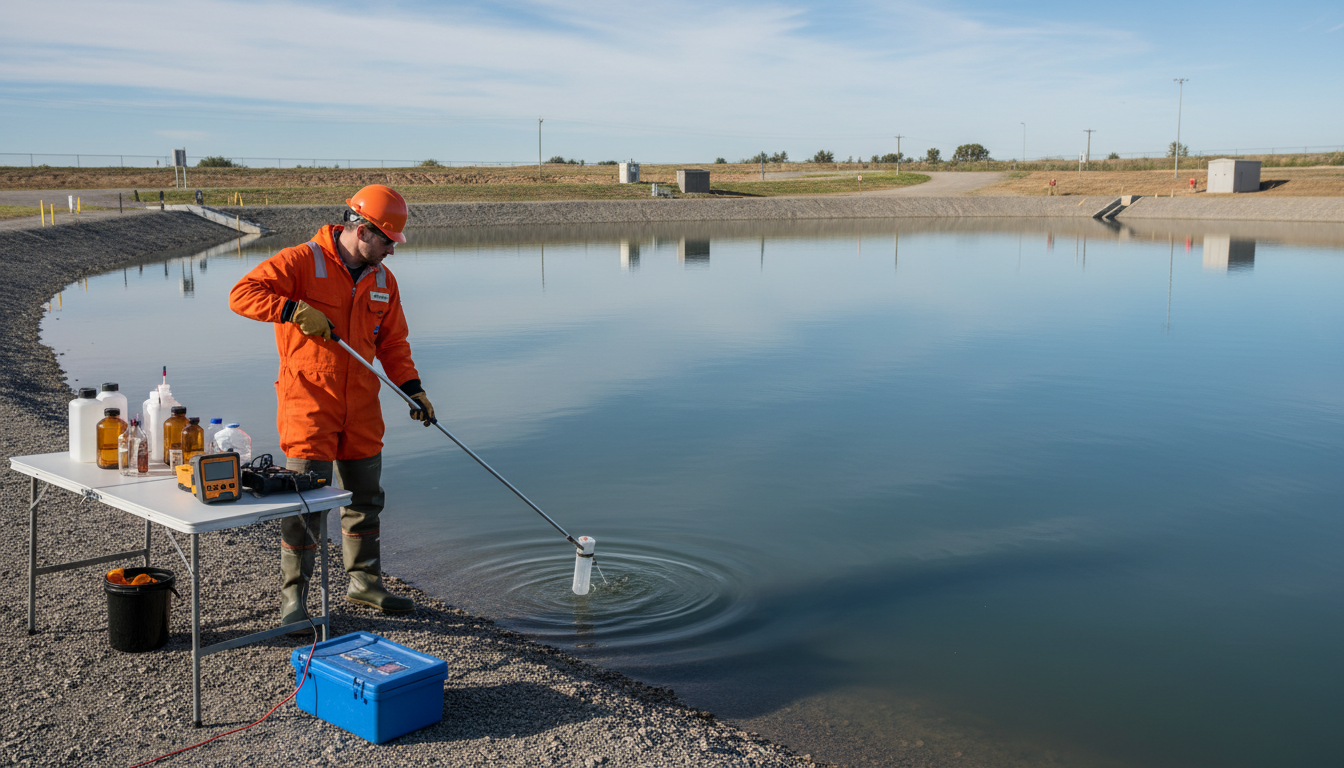
The Harsh Triple-Threat of Oilfield Produced Water
To understand how to break oil-water emulsions in these regions, we must first analyze the unique chemical and physical properties of oilfield produced water:
[Oilfield Produced Water Challenges]
├── 1. High Salinity (TDS) --> Collapses standard polymer chains (coiling)
├── 2. Elevated Heat (>60°C) --> Degrades low-grade chemicals; causes thermal convection
└── 3. Tough Chemical Emulsions --> Surfactant shells repel standard coagulants
1. High Salinity and Charge Shielding
Produced water in the Middle East can have Total Dissolved Solids (TDS) levels exceeding 100,000 mg/L. High concentrations of sodium, calcium, and magnesium ions shield the active sites of standard polymer molecules. This "charge shielding" causes polymer chains to shrink and curl up (referred to as the coiling effect), preventing them from bridging and destabilizing suspended oil droplets.
2. Elevated Heat
With system temperatures frequently staying above 60°C, traditional organic polymers can degrade thermally, losing their molecular weight and structural integrity. High temperatures also accelerate water movement, causing standard, lightweight flocs to shred before they can settle or float.
3. Highly Stable Emulsions
The presence of natural surfactants (such as asphaltenes and naphthenic acids) and chemical additives forming protective films around suspended oil droplets prevents them from coalescing. Standard Aluminum-based coagulants do not have the charge density or structural weight required to break these surfactant barriers.
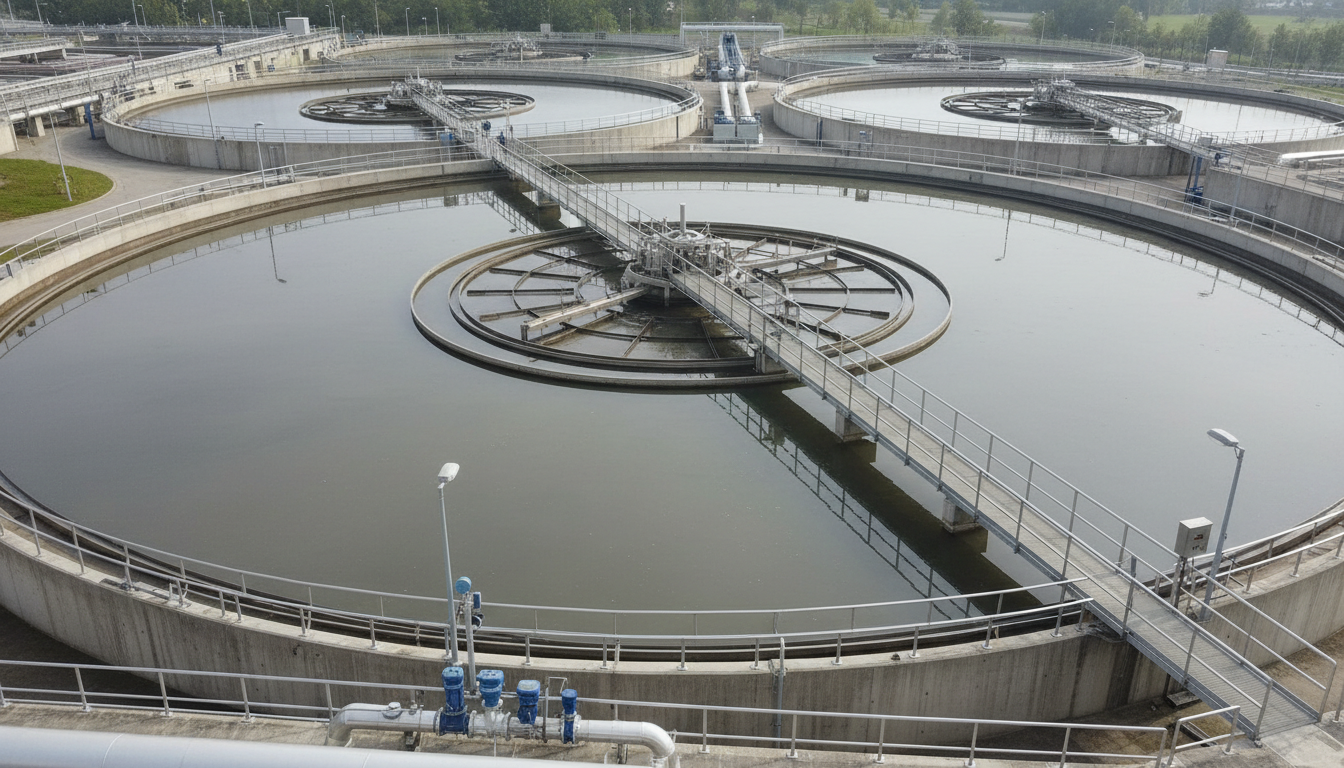
The Solution: PAFC and CPAM Synergy
Oneschem has developed a coordinated chemical program to address these issues, combining Polyaluminum Ferric Chloride (PAFC) with high-charge, salt-tolerant Cationic Polyacrylamide (CPAM).
[Emulsified Oily Water]
│
▼ (Rapid Mixing)
[Polyaluminum Ferric Chloride (PAFC)] ──► Disrupts surfactant shell & neutralizes charges
│
▼ (Gentle Flotation/Settling)
[Cationic Polyacrylamide (CPAM)] ──► Bridges oil droplets; forms shear-resistant flocs
│
▼
[Separated Phase: Clear Water + Recovered Oil + Drier Sludge]
1. Polyaluminum Ferric Chloride (PAFC): The Emulsion Breaker
PAFC is an inorganic composite macromolecular coagulant that combines the unique advantages of aluminum and iron salts:
- Synergistic Hydrolysis: The aluminum components provide highly efficient charge neutralization, destabilizing the negative charges on oil droplet surfaces. Meanwhile, the iron components hydrolyze to form highly dense complexes that absorb and drag down suspended solids.
- High Temperature and Salinity Resilience: Unlike pure aluminum salts, which can dissolve back into water under extreme conditions, the iron complexes in PAFC remain stable at temperatures above 60°C, ensuring consistent performance.
- Rapid Emulsion Breaking: PAFC penetrates the stabilizing surfactant film surrounding oil droplets, forcing them to coalesce and clump together into microflocs.
2. High-Shear Cationic Polyacrylamide (CPAM): The Flocculation Accelerator
Once PAFC breaks the emulsion, Cationic Polyacrylamide (CPAM) is introduced to bind the destabilized oil droplets and suspended solids into larger, more stable flocs.
- Engineered Salt Tolerance: Oneschem's CPAM is manufactured using a specialized monomer configuration that resists chain coiling in high-salinity water, allowing the polymer to remain extended and active in high-TDS environments.
- Excellent Hydrophobic Association: The cationic groups bind directly to the negatively charged oil droplets and solids, while the hydrophobic backbone pulls them together, squeezing out trapped water.
- Shear Resistance: The resulting flocs can withstand the high-shear forces encountered in Dissolved Air Flotation (DAF) units, centrifuges, and decanters without breaking apart.
Practical Operational Benefits
Optimizing your treatment chemistry delivers direct operational and financial advantages:
1. Enhanced Hydrocarbon Recovery
Rather than disposing of trapped oil as waste, this synchronized chemistry breaks emulsions so thoroughly that clean oil can be separated and recycled directly back into the production line, turning a waste management issue into a source of recovered revenue.
2. Efficient Oily Sludge Dewatering
Oily sludge is highly viscous and difficult to handle. Untreated sludge can blind filter cloths and require large volumes of conditioning agents. Using Oneschem’s CPAM during oily sludge dewatering helps release bound water, significantly reducing sludge volume, reducing disposal costs, and producing drier filter cakes that are easier to handle.
3. Clearer Water for Safe Discharge or Injection
This treatment program successfully reduces Oil and Grease (O&G) and Total Suspended Solids (TSS) levels to meet environmental limits, allowing water to be safely discharged or reinjected into reservoirs without clogging formations.
Elevate Your Oilfield Water Treatment with Oneschem
Harsh oilfield wastewater requires chemicals designed for extreme conditions. Using standard municipal chemicals in oilfield produced water treatment Middle East applications often leads to incomplete separation and high operating costs.
Oneschem provides highly specialized, heat-resistant Polyaluminum Ferric Chloride (PAFC) and specialized Cationic Polyacrylamide (CPAM) designed for demanding oilfield and petrochemical applications.
Contact our technical support team today to consult on your oilfield conditions and request customized product samples for laboratory jar testing.