
Copper & Lithium Tailings Water Management in South America: Accelerating Solid-Liquid Separation with Polyferric Sulfate and High-Anionic PAM
ON
Mining operations in Chile and Peru face a growing water-management challenge. Copper concentrators, lithium projects, and mineral-processing plants must reduce freshwater consumption, recover process water, and comply with increasingly demanding environmental standards. In the Atacama Desert and other arid Andean regions, water may need to be transported over long distances or pumped from coastal areas to high-altitude facilities. Every cubic meter recovered from tailings therefore has significant operational value.
Efficient tailings thickening and solid-liquid separation are essential to this strategy. However, many copper and lithium operations process water containing fine clays, silts, metal oxides, sulfate, and dissolved metals. These particles may carry strong negative surface charges, making them difficult to agglomerate and settle. Acidic mine water can further reduce the performance of conventional coagulants.
A chemical program combining Polyferric Sulfate coagulation with high-molecular-weight anionic polyacrylamide can improve clarification, tailings compaction, and process-water recovery when properly selected and dosed.
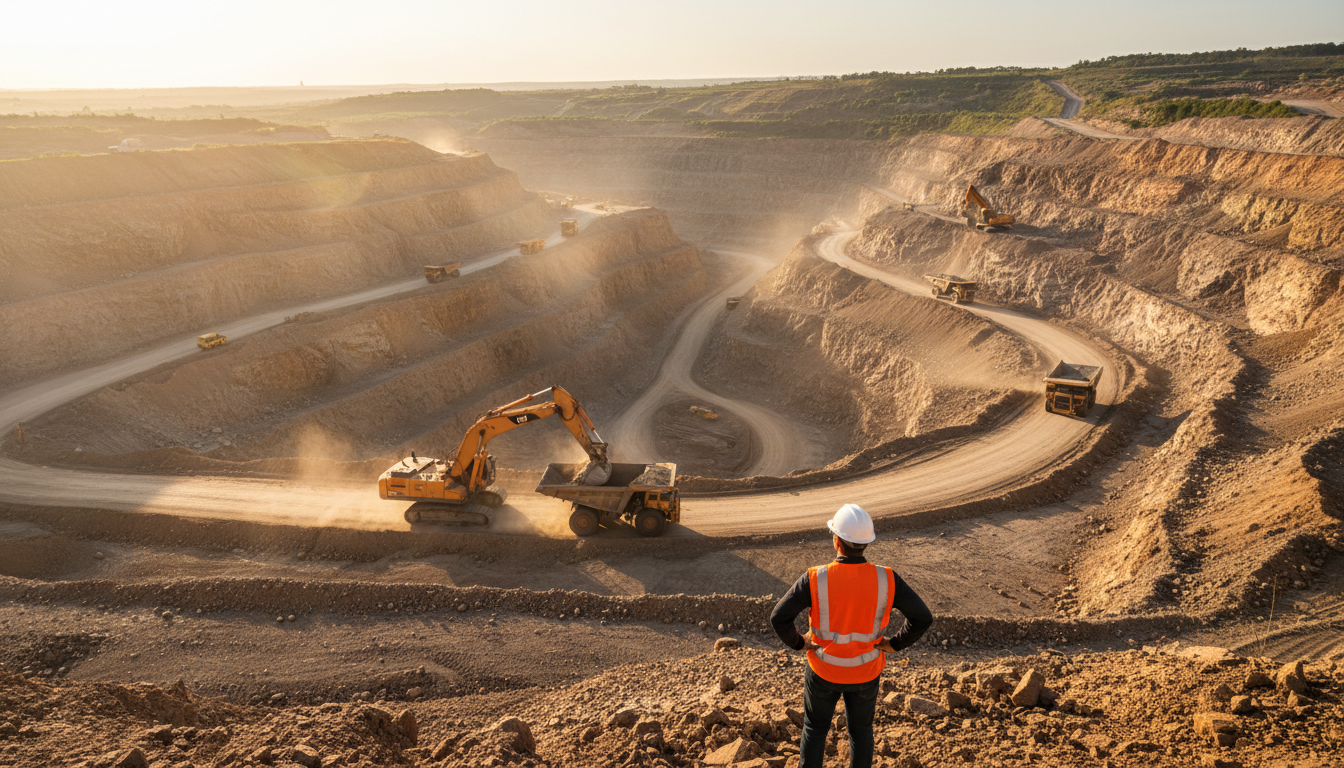
Why Tailings Water Is Difficult to Clarify
Tailings streams are not simply mixtures of sand and water. Their behavior depends on mineralogy, particle size distribution, pH, ionic strength, and the presence of flotation reagents or process additives.
Fine tailings particles often remain suspended because of:
- Strong electrostatic repulsion between particles
- High concentrations of clay and colloidal minerals
- Acidic or highly variable pH
- Dissolved salts and metal ions
- Residual flotation collectors, frothers, and organic reagents
- Very small particle sizes with slow natural settling rates
When clarification is inadequate, the thickener overflow may have high turbidity and suspended solids. This can increase wear on pumps, valves, filters, heat exchangers, and downstream water-reuse equipment. Poor settling also reduces underflow density, increasing the volume of water returned with the tailings and limiting the recovery of clear process water.
For operators researching mining wastewater treatment in Chile or solid-liquid separation in tailings in Peru, chemical selection should be based on actual site water and tailings samples—not on product names alone.
Why Polyferric Sulfate Can Benefit Acidic Mine Water
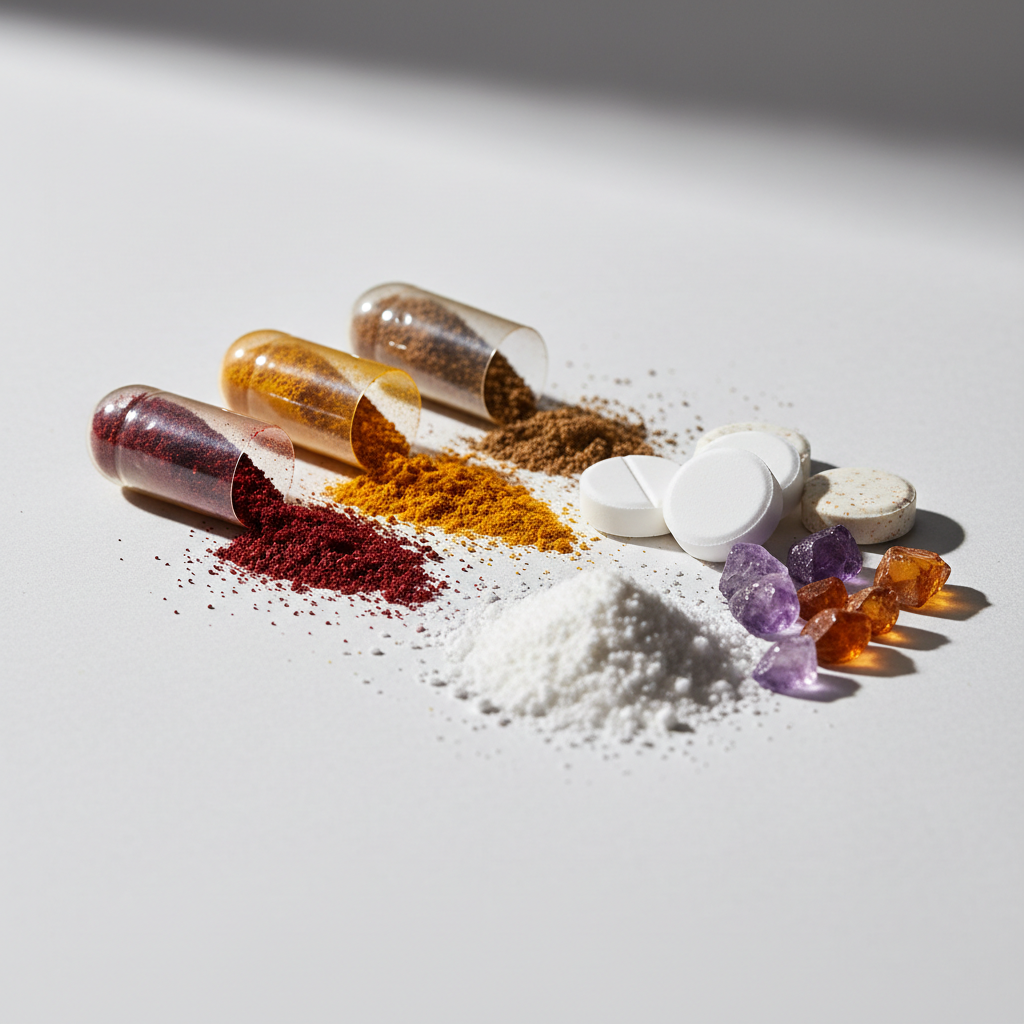
Polyferric sulfate (PFS) is a pre-hydrolyzed iron-based coagulant used in clarification, thickening, industrial wastewater treatment, and heavy-metal removal. After dosing, ferric species hydrolyze to form positively charged hydroxide complexes and iron hydroxide precipitates. These species neutralize negatively charged particles and provide sweep-flocculation, capturing suspended solids as the precipitate settles.
Broad pH Flexibility
PFS can perform across a relatively broad pH range, commonly approximately pH 4–11 depending on the water matrix and treatment objective. This makes it useful in acidic mine-water applications where aluminum-based coagulants may not provide consistent results without pH adjustment.
However, “broad pH performance” does not mean that the same dose will work under every condition. Acid mine drainage, sulfate concentration, alkalinity, temperature, and dissolved organic matter can all affect hydrolysis and floc formation. Jar testing remains essential for identifying the optimum dose and operating pH.
Heavy-Metal Co-Precipitation
Iron hydroxide flocs can adsorb and entrap certain dissolved and particulate metals, including copper, lead, arsenic, and other contaminants. The actual removal efficiency depends on metal speciation, oxidation state, pH, competing ions, and contact time.
For arsenic, for example, oxidation and pH control may be required before coagulation. Laboratory testing should confirm whether PFS alone is sufficient or whether it must be combined with oxidation, neutralization, filtration, or another polishing step.
PFS should therefore be viewed as a powerful coagulation tool—not as a universal replacement for a complete mine-water treatment process.
High-Anionic PAM for Tailings Thickening and Water Release
After PFS destabilizes colloids and forms primary microflocs, high-molecular-weight anionic PAM can promote particle bridging. Its long polymer chains attach to multiple particles, creating larger and stronger flocs that settle more rapidly and release trapped water more efficiently.
High-anionic PAM is particularly useful for:
- Fine copper tailings
- Clay-rich slurries
- Thickener feed conditioning
- Clarifier overflow improvement
- Filter-press and centrifuge dewatering
- Process-water recovery systems
In high-rate thickeners, the correct polymer can improve settling velocity, bed compaction, and overflow clarity. In mechanical dewatering, it can help produce a stronger filter cake and improve filtrate release.
Nevertheless, a higher molecular weight or higher charge density is not automatically better. Overdosing can create soft, stringy flocs, increase viscosity, cause carryover, or interfere with downstream filtration. The best copper mine tailings thickening polymer depends on mineral composition, solids concentration, shear conditions, and equipment type.
Performance should be measured using settling rate, turbidity, underflow density, capillary suction time, filtrate clarity, and polymer consumption.
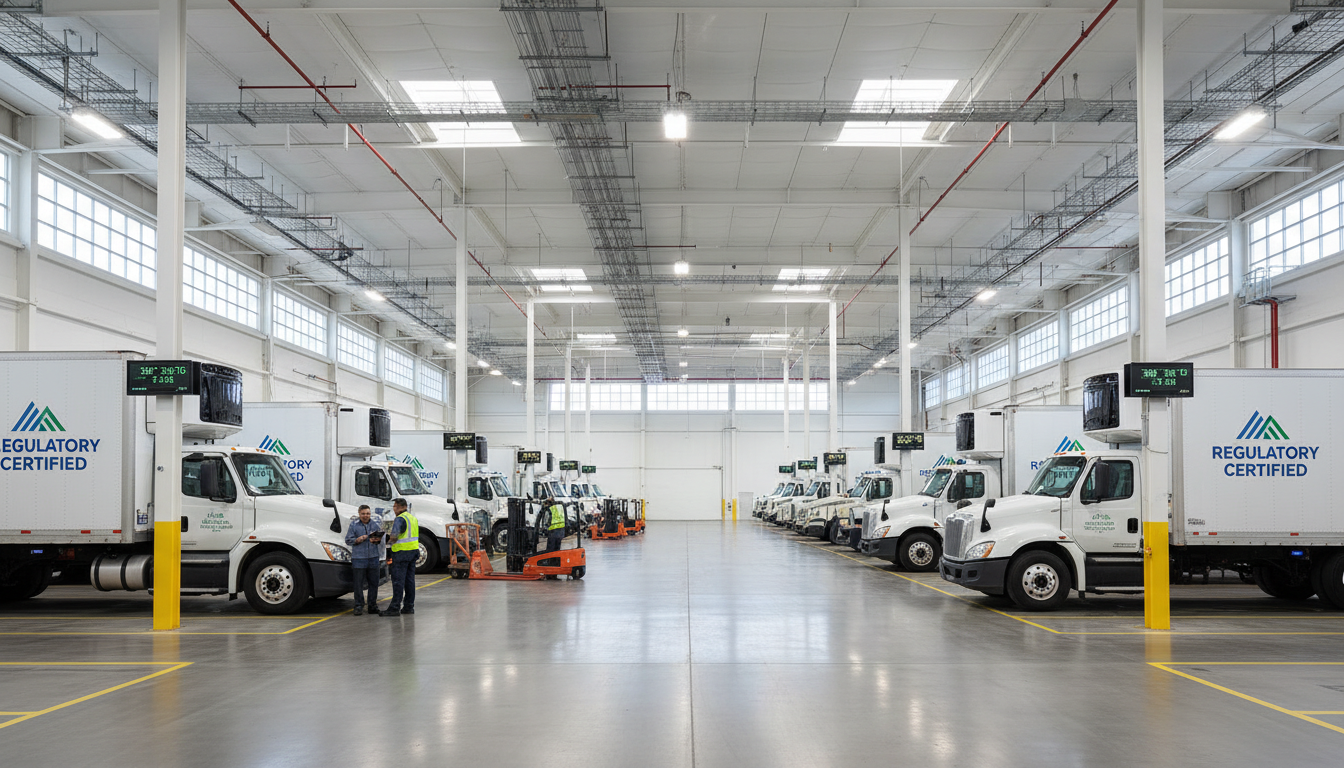
Why Product Form and Logistics Matter in the Andes
Remote Andean mines face more than treatment challenges. Transportation, storage, altitude, and supply continuity can have a direct effect on chemical costs.
Liquid coagulants may contain a high percentage of water, increasing freight volume and storage requirements. For remote sites in Chile and Peru, high-purity spray-dried solid PFS can offer logistical advantages, including:
- Lower transport volume per unit of active product
- Easier storage and handling
- Longer supply-planning flexibility
- Reduced risk of liquid leakage during transport
- Better suitability for containerized delivery
When comparing Polyacrylamide flocculant price, mine operators should calculate total delivered cost rather than focusing only on the price per kilogram. The evaluation should include active content, dosage, freight, dilution requirements, storage, preparation equipment, sludge production, and the value of recovered process water.
A lower-cost polymer that requires double the dosage may be more expensive in actual operation than a higher-performance grade.
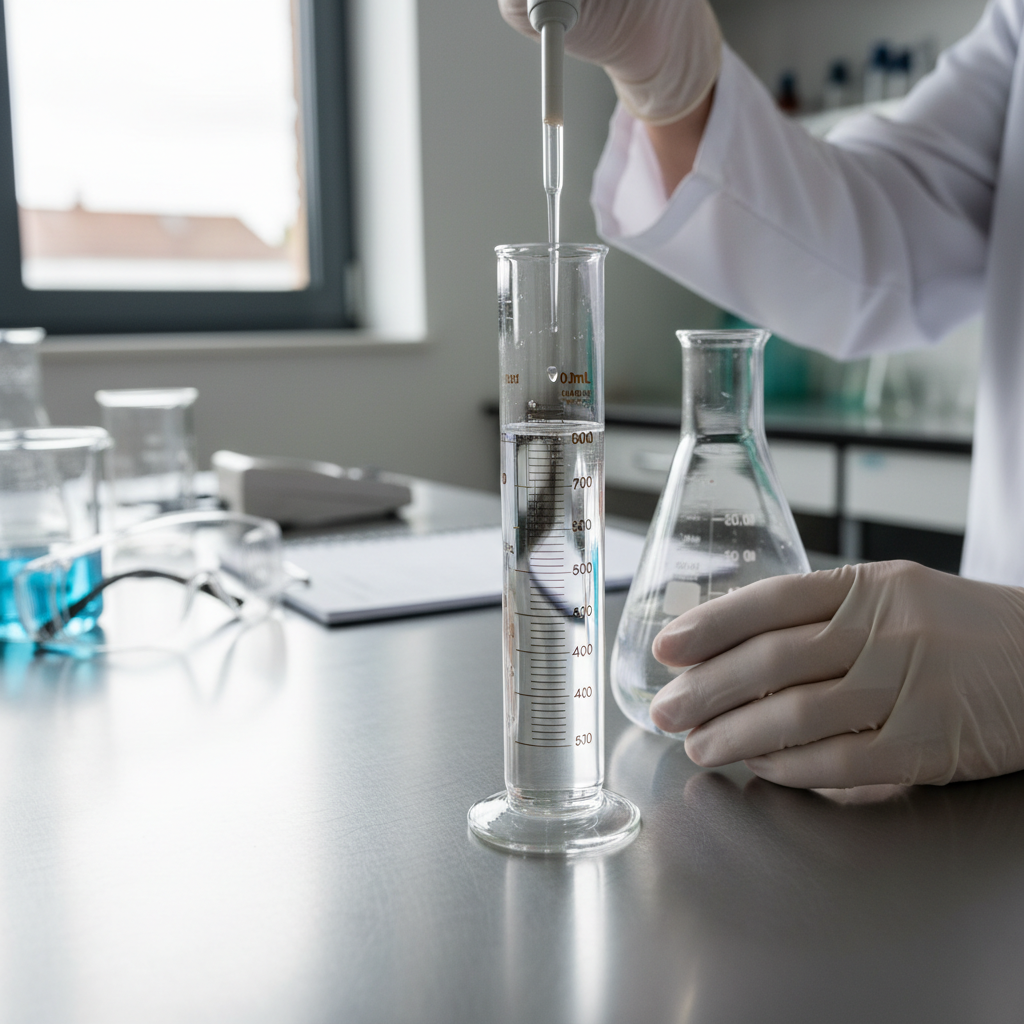
Optimize Tailings Water Recovery with Site Testing
A successful chemical program normally combines PFS for charge neutralization and metal-bearing solids capture with high-anionic PAM for floc growth and dewatering. The final selection should be confirmed through laboratory jar tests, dynamic thickener testing, and controlled plant trials.
Oneschem can assist copper and lithium operations with tailings-water analysis, PFS and PAM screening, dosage optimization, and application recommendations for thickeners, clarifiers, filter presses, and centrifuges.
Contact Oneschem to arrange a mine-specific sedimentation and dewatering test. A properly selected coagulation and flocculation program can improve overflow quality, increase tailings density, protect process equipment, and return more water to the production circuit—an important advantage for water-stressed mining regions across South America.