
Comprehensive Guide to Using Polyaluminium Chloride in Water Treatment
ON
Understanding Polyaluminium Chloride
Polyaluminium Chloride, commonly referred to as PAC, is a highly efficient coagulant that is widely used in water treatment processes. Its effectiveness in removing impurities and contaminants makes it a preferred choice for many industries. PAC is known for its ability to purify water quickly and efficiently, making it an essential component in both municipal and industrial water treatment facilities.
PAC works by destabilizing and aggregating suspended particles in water. This process, known as coagulation, allows for easier filtration and removal of contaminants. The chemical composition of PAC provides several advantages over traditional coagulants such as alum and iron salts.
Advantages of Using PAC
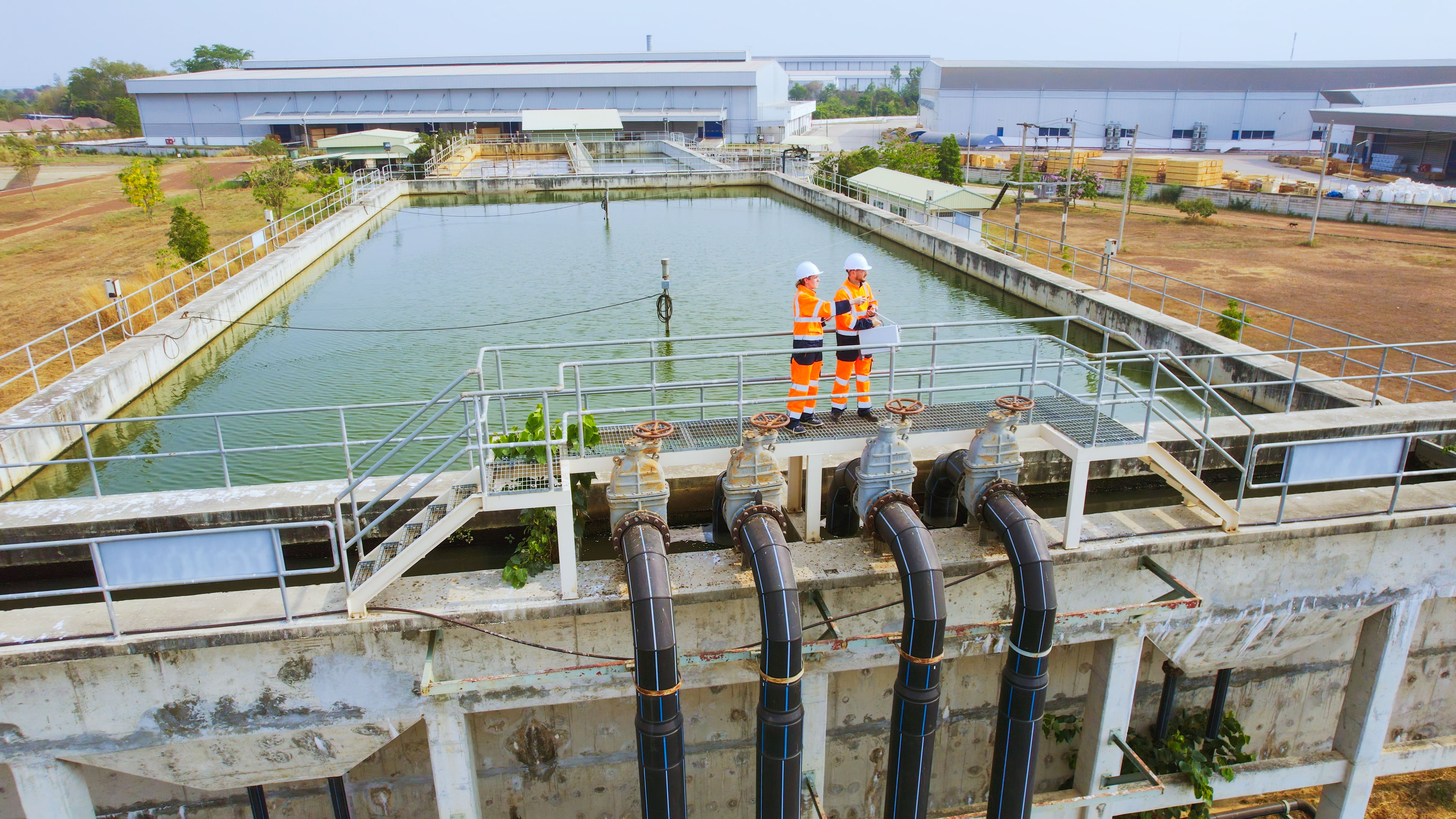
One of the main advantages of using PAC is its high efficiency in reducing turbidity and removing color from water. It also performs well over a wide range of pH levels, making it versatile for different water conditions. Additionally, PAC generates fewer sludge volumes compared to other coagulants, which reduces disposal costs and environmental impact.
Another significant benefit is the rapid sedimentation rate that PAC provides. This allows for quicker processing times, which is essential in high-demand water treatment facilities. Moreover, PAC is less corrosive to equipment, helping to extend the lifespan of treatment plants.
Applications of Polyaluminium Chloride
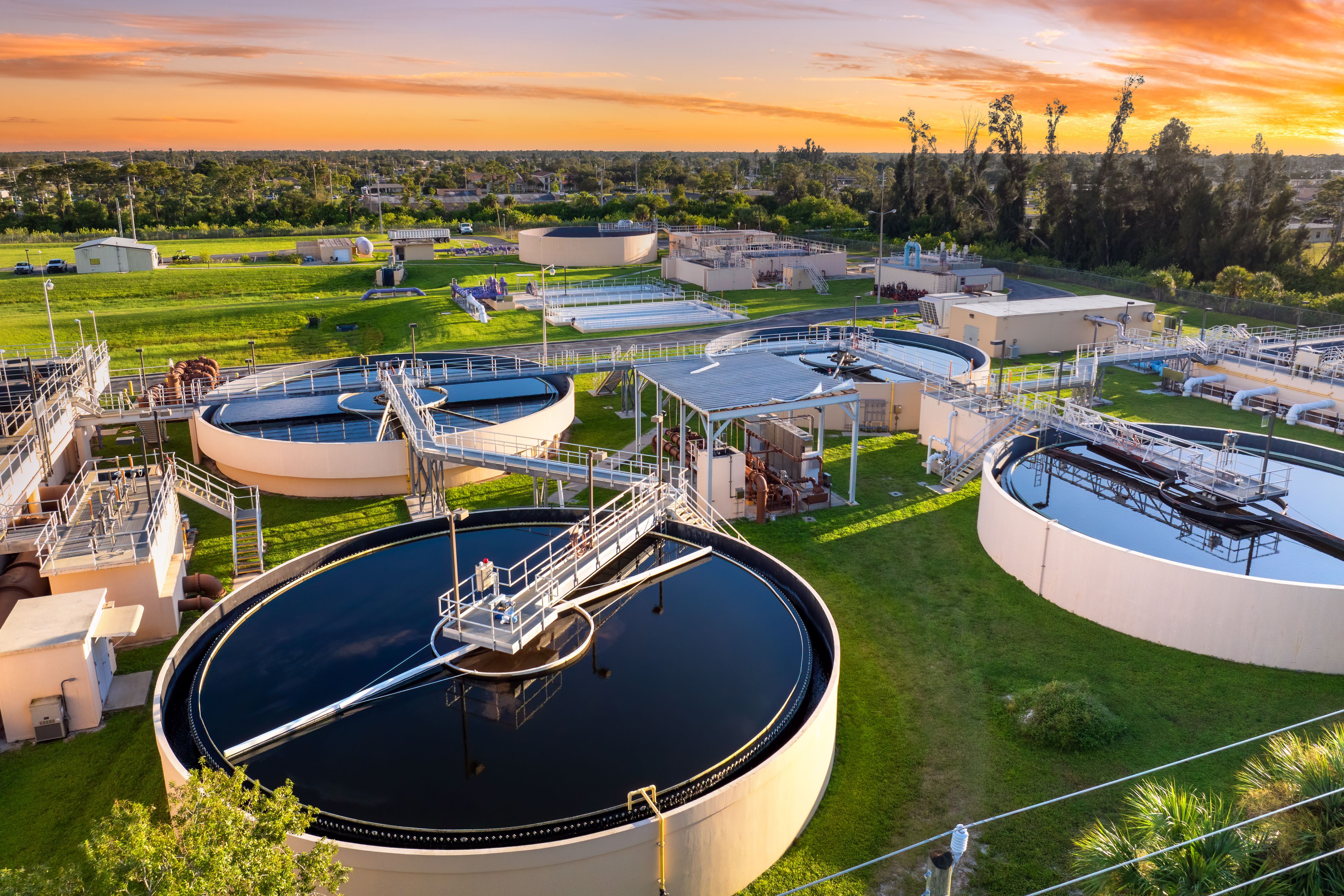
Polyaluminium Chloride is utilized in various applications beyond just municipal water treatment. It is widely used in wastewater treatment, paper manufacturing, and even in the cosmetic industry. In wastewater treatment, PAC helps in the removal of heavy metals and phosphates, enhancing the quality of the discharged water.
In the paper industry, PAC is used as a sizing agent to improve the paper’s strength and quality. Its versatility and effectiveness make it a valuable chemical in several industrial processes.

How to Use PAC in Water Treatment
Using PAC in water treatment involves several steps that must be carefully managed to ensure optimal results. Here’s a general guide:
- Determine the appropriate dosage based on water quality and impurities.
- Add PAC to the water and allow it to mix thoroughly.
- Monitor the coagulation process and make adjustments as needed.
- Ensure proper sedimentation and filtration to remove coagulated particles.
It is crucial to continuously monitor the process and adjust the dosage as needed to maintain water quality standards. Regular testing and analysis are essential to achieving the desired results.
Environmental Considerations
While PAC is highly effective, it is important to consider its environmental impact. The use of PAC should be managed carefully to minimize any negative effects on the environment. Ensuring proper disposal of sludge and adhering to environmental regulations are critical aspects of responsible PAC usage.
Water treatment facilities should implement sustainable practices and explore ways to recycle and reuse sludge whenever possible. This helps in reducing the overall environmental footprint of the treatment process.

Conclusion
Polyaluminium Chloride is a powerful tool in water treatment, offering numerous benefits such as high efficiency, versatility, and reduced sludge production. Its applications across various industries highlight its importance in modern water treatment practices.
By understanding the properties and proper usage of PAC, facilities can effectively manage water quality, ensuring safe and clean water for communities and industries alike. With careful management and environmental consideration, PAC will continue to play a crucial role in water treatment solutions. ONESCHEM provides more solutions with polyaluminium and other flocculants, reach us with more details.